2520 W Hermosa Dr, Artesia, NM 88210

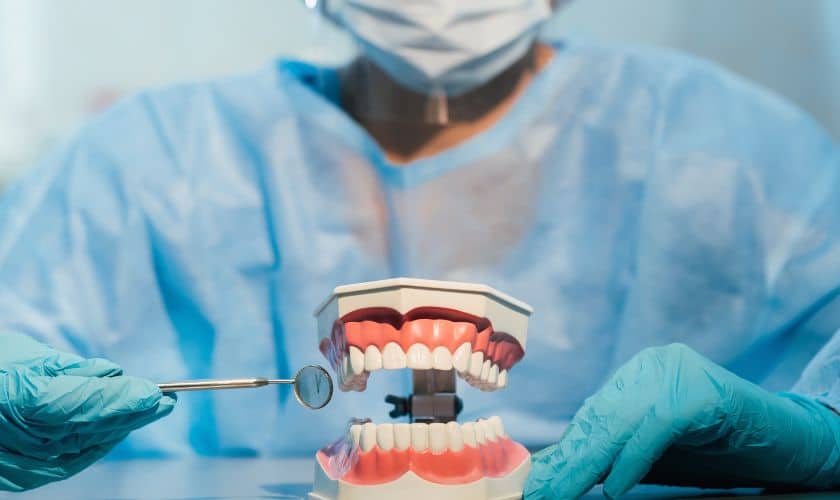
A beautiful smile is one of the most attractive features that a person can have. However, dental problems like decay and damage can ruin it in no time. Fortunately, dental crowns and bridges are here to save the day! These restorative treatments not only enhance your appearance but also improve oral health by restoring your teeth’s functionality. But with so many types available in the market, how do you know which ones suit you best? In this guide, we’ll take a closer look at some of the common dental crowns and bridges options out there to help you make an informed decision about what works for your unique needs. So sit back, relax, and let’s get cracking!
Types Of Crowns
Dental crowns are widely used to restore damaged or decayed teeth. There are several types of dental crowns available, and your dentist will suggest the best option based on your specific needs.
1. Porcelain Crowns
Porcelain crowns offer a natural look that blends in with the rest of your teeth. They are ideal for front teeth as they closely match natural tooth color.
2. Ceramic Crowns
Ceramic dental crowns provide a more durable solution than porcelain while still retaining their natural appearance.
3. Gold Alloy Crowns
Gold alloy crowns consist of metals like gold, copper and other materials which make them highly durable and long-lasting.
4. Base Metal Alloy Crowns
Base metal alloy crowns have similar durability to gold alloy but come at a lower cost making them more affordable for those who require multiple crown placements
5. Stainless Steel Crown
Stainless steel is often used for temporary dental restorations in children until permanent ones can be placed
Your dentist will discuss which type of crown would work best for you depending on location, oral health goals and personal preference
Types Of Bridges
A dental bridge is a prosthetic device that replaces one or more missing teeth. There are four main types of bridges available, each with their own unique benefits and considerations.
Traditional bridges are the most common type and involve creating a crown for the tooth or implant on either side of the gap, with a false tooth in between. These can be made from porcelain fused to metal, ceramics or even gold.
Cantilever bridges are used when there are adjacent teeth on only one side of the missing tooth/teeth. This means that only one abutment is needed to support the bridge.
Maryland bonded bridges use a special resin to bond an artificial tooth onto existing nearby teeth. They require minimal alteration to adjacent healthy teeth and offer good aesthetics but may not be suitable for larger gaps.
Implant-supported bridges use dental implants as anchors instead of neighbouring natural teeth. This option provides excellent stability but requires sufficient jawbone density for successful implant placement.
Each type has its advantages and disadvantages depending on individual needs and circumstances, so it’s important to consult with your dentist before deciding which option is best for you.
Procedure For Dental Crowns And Bridges
The procedure for dental crowns and bridges is a relatively simple process that can be completed in just a few appointments with your dentist. Before the procedure, the dentist will examine your teeth and determine if you are a good candidate for either treatment.
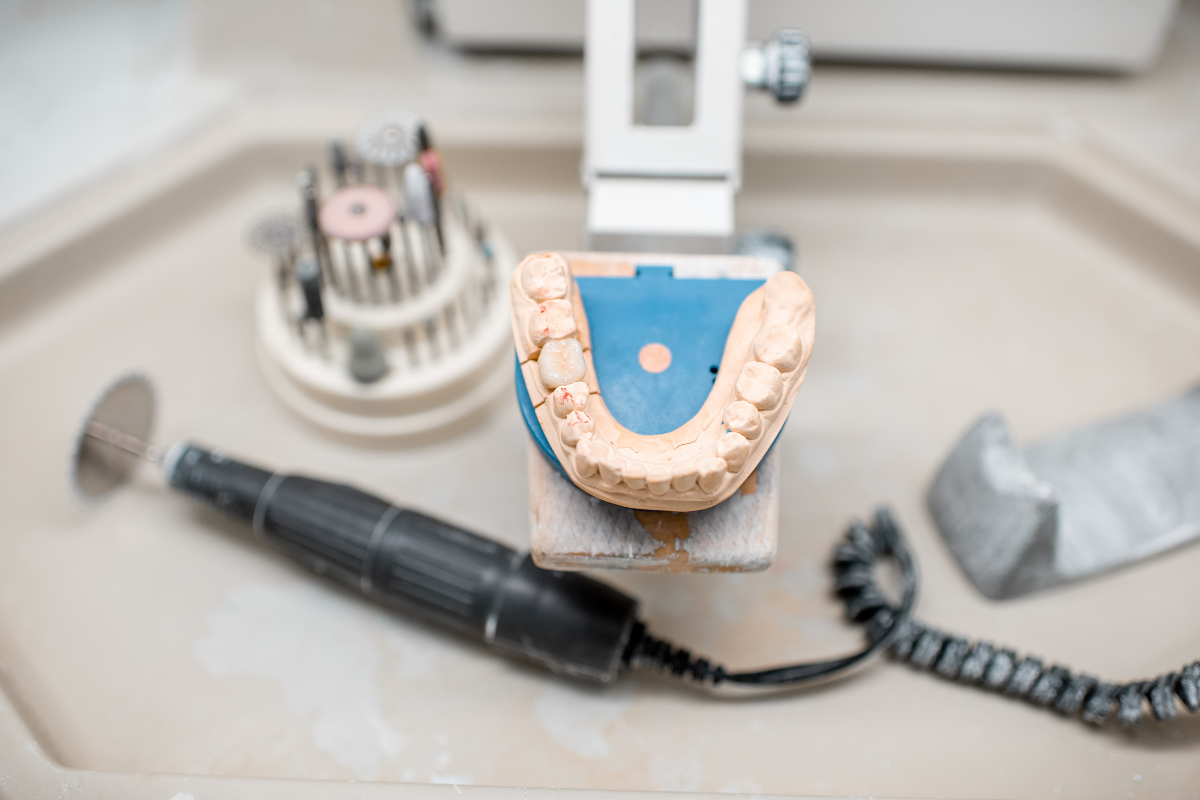
For dental crowns, the first step is to numb the tooth and surrounding area with an anesthetic. Then, the dentist will shape the tooth by removing any decay or damage. Next, they will take an impression of your teeth to create a custom crown that fits perfectly over your existing tooth.
Once the crown has been created in a lab, it will be cemented onto your prepared tooth using special dental adhesive. Your dentist may make some final adjustments to ensure proper fit and function before sending you on your way with a brand new smile!
For dental bridges, there are several steps involved as well. First, any damaged or decayed teeth that need to be replaced will be removed. Then, impressions of adjacent teeth are taken so that custom-made pontics (false teeth) can be crafted to fill in gaps.
Once pontics have been produced by our lab technicians’, they’re anchored into place using abutment wires attached directly onto healthy natural-looking neighbouring teeth or onto implants placed within newly made sockets on either side of missing space which helps keep them securely fixed within position.
Overall ,the entire process from start to finish generally takes two-to-three weeks depending upon individual patient cases but this varies based on how many teeth require work – whether it’s one single crown or multiple bridgeworks – as well as overall oral health condition!
Aftercare For Dental Crowns And Bridges
Taking care of your dental crowns and bridges is essential to keep them in good condition for a long time. Here are some tips on how to take care of your dental appliances:
1. Brush and floss regularly: Brushing twice a day and flossing daily will help maintain the crown or bridge’s integrity.
2. Avoid hard food: Hard foods like ice, popcorn kernels, nuts, and candy can damage the crown or bridge.
3. Wear mouthguards while playing sports: Mouthguards provide additional protection against any trauma that may damage the appliance.
4. Visit your dentist regularly: Regular check-ups with your dentist ensure early detection of any issues before they worsen.
By following these simple steps, you can ensure that your dental crowns and bridges remain healthy for years to come! Contact your local dentist today if you’re interested in getting fitted for one yourself!