2520 W Hermosa Dr, Artesia, NM 88210


Brushing your teeth daily is essential for maintaining oral hygiene—but what if bad breath still lingers even after you’ve brushed? This can be frustrating and even embarrassing, especially when you feel like you’re doing everything right.
The truth is, brushing alone may not address all the underlying causes of bad breath. Understanding what’s behind it can help you take the right steps toward fresher breath and better oral health.
Common Causes of Persistent Bad Breath
Bad breath, also known as halitosis, often comes from bacteria in the mouth. However, there are several reasons why it may continue even after brushing.
1. Bacteria on the Tongue
Your tongue can trap bacteria, food particles, and dead cells—especially toward the back. These bacteria release sulfur compounds that cause unpleasant odors.
What you can do:
- Use a tongue scraper daily
- Gently brush your tongue when brushing your teeth
- Rinse thoroughly after cleaning
2. Poor Flossing Habits
Brushing only cleans the surfaces of your teeth. Food particles and plaque can remain trapped between teeth, leading to odor over time.
Signs this may be the issue:
- Bad breath shortly after eating
- Visible debris between teeth
- Gum irritation
Solution:
- Floss at least once daily
- Be consistent, even if your gums bleed initially
3. Dry Mouth (Lack of Saliva)
Saliva helps wash away bacteria and food particles. When your mouth is dry, bacteria can grow more easily, causing bad breath.
Common causes of dry mouth:
- Dehydration
- Certain medications
- Breathing through your mouth
What helps:
- Drink plenty of water
- Chew sugar-free gum to stimulate saliva
- Avoid alcohol-based mouthwashes
4. Gum Disease
Persistent bad breath can be a sign of gum disease. When plaque builds up along the gumline, it can lead to infection and odor.
Other symptoms may include:
- Bleeding gums
- Swelling or redness
- Gum sensitivity
Professional dental care is important to address gum disease early.
5. Tooth Decay or Infections
Cavities and infections can trap bacteria inside the tooth, leading to a constant unpleasant smell.
What to watch for:
- Tooth sensitivity
- Pain when chewing
- Visible holes or dark spots on teeth
A dental evaluation can help identify and treat these issues.
6. Diet and Food Choices
Certain foods can contribute to lingering odors, even after brushing.

Common culprits:
- Garlic and onions
- Sugary foods
- Strong spices
These foods can enter the bloodstream and affect your breath even after oral cleaning.
7. Smoking and Tobacco Use
Tobacco products can leave a strong odor in the mouth and contribute to dry mouth and gum disease.
Impact includes:
- Persistent bad breath
- Increased risk of gum problems
- Staining of teeth
Quitting or reducing tobacco use can significantly improve breath and overall health.
8. Medical Conditions
In some cases, bad breath may be linked to underlying health issues such as:
- Sinus infections
- Acid reflux
- Diabetes
If dental causes are ruled out, a medical evaluation may be recommended.
What You Can Do to Improve Bad Breath
If brushing alone isn’t enough, a more complete oral care routine can help.
Simple steps to follow:
- Brush twice daily for at least two minutes
- Floss every day
- Clean your tongue regularly
- Stay hydrated
- Visit your dentist for regular checkups
Consistency is key when it comes to maintaining fresh breath.
When to See a Dentist
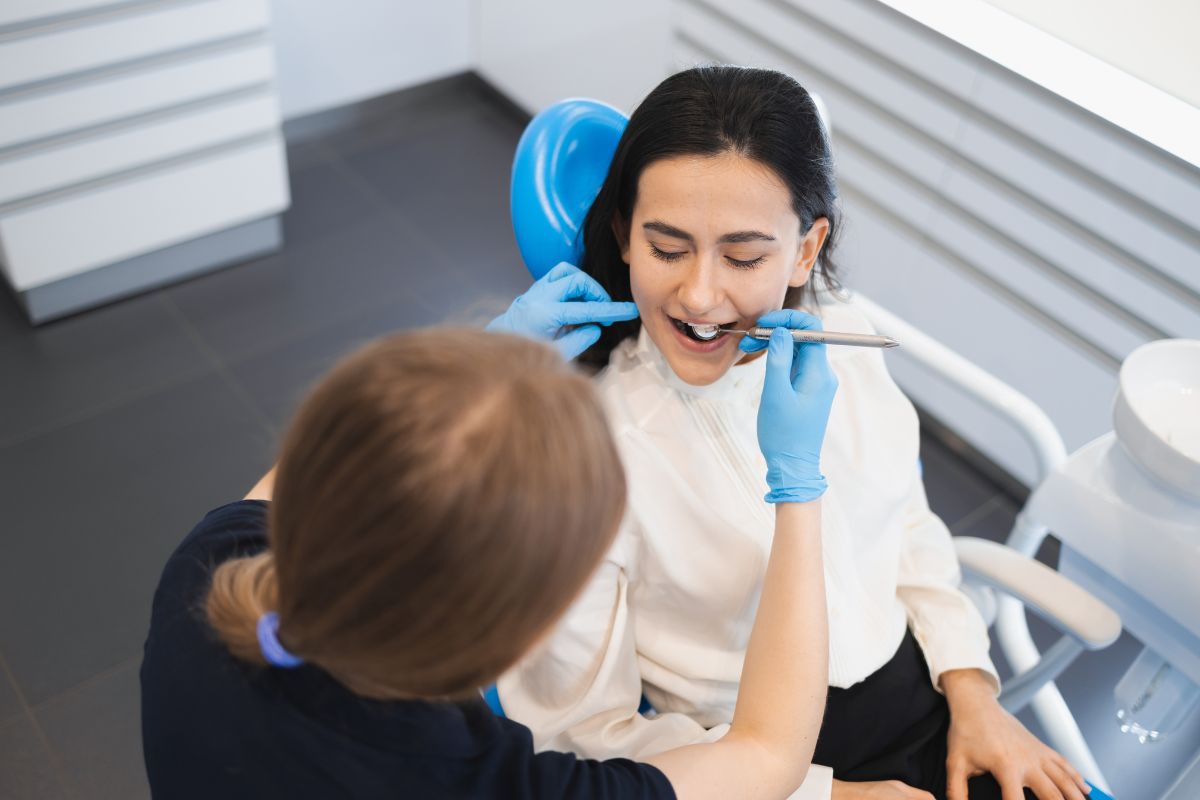
If bad breath persists despite good oral hygiene, it’s important to seek professional care. A dentist can identify the root cause and recommend the right treatment.
Early diagnosis can prevent more serious issues and help restore confidence in your daily interactions.
Final Thoughts
Bad breath after brushing is more common than you might think—and it usually has an underlying cause that needs attention. By improving your daily habits and seeking professional care when needed, you can effectively manage and prevent it.
Fresh breath is not just about brushing—it’s about complete oral care.
Schedule Your Visit
If you’re struggling with persistent bad breath, professional care can help identify the cause and provide effective solutions. At Smile Xpressions, we offer personalized dental care focused on improving your oral health and daily comfort.
If you’re in or around Artesia, our team is here to help you feel more confident in your everyday interactions.
Schedule your appointment today and take the next step toward better oral health.
Frequently Asked Questions (FAQs)
- Why does my breath smell even after brushing my teeth?
It may be due to bacteria on the tongue, gum disease, or food particles trapped between teeth. - Can mouthwash fix bad breath?
Mouthwash can help temporarily, but it does not treat the underlying cause. - How do I know if my bad breath is serious?
If it persists despite good hygiene or is accompanied by other symptoms, you should see a dentist. - Is bad breath always caused by the mouth?
No, it can sometimes be linked to medical conditions like sinus infections or digestive issues. - How can I keep my breath fresh all day?
Maintain good oral hygiene, stay hydrated, and avoid foods that cause strong odors.