2520 W Hermosa Dr, Artesia, NM 88210


Are you missing teeth and considering dental implants, but unsure of the cost? Dental implants are a popular restorative option for those looking to enhance their smile, but they can come with a hefty price tag. With so many different types of dental implants available, it’s important to understand the costs associated with each option. In this blog post, we will break down the different types of dental implants and their respective costs, as well as provide pros and cons to help you make an informed decision on whether or not they are right for you. So sit back, relax, and let’s dive into the world of dental implants!
The Different Types Of Dental Implants
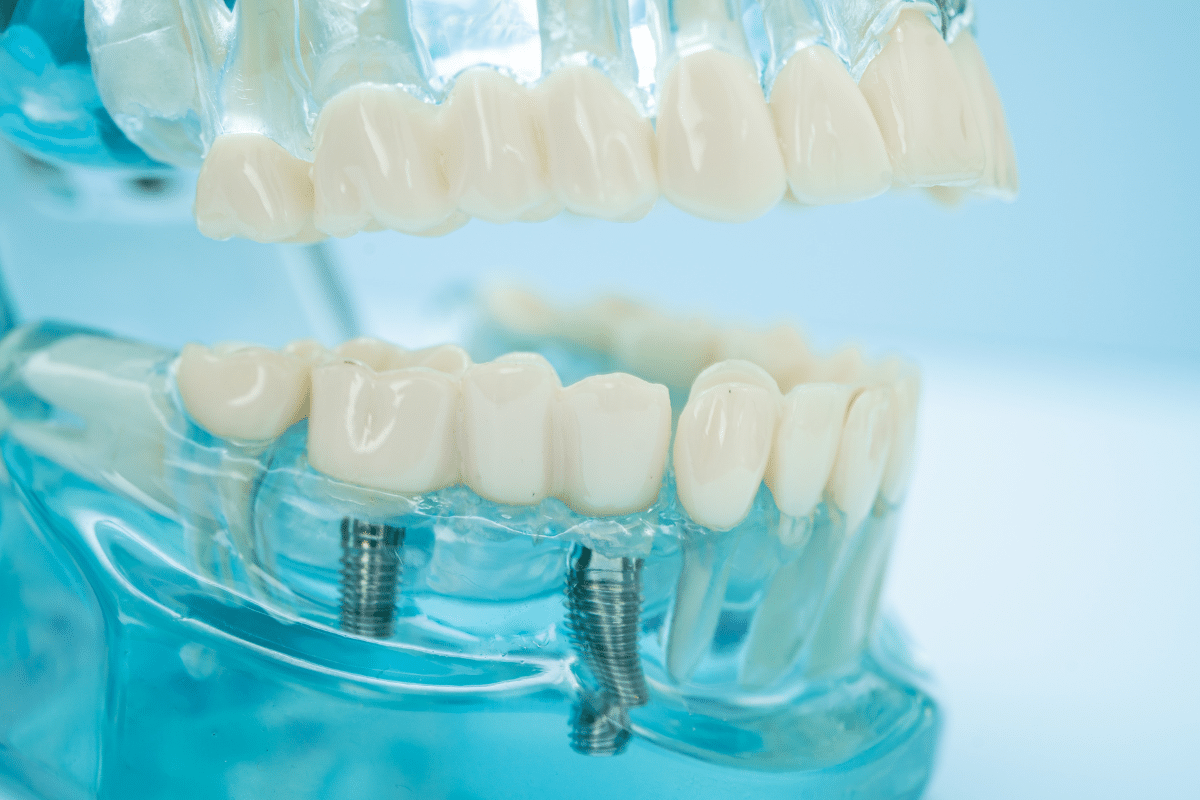
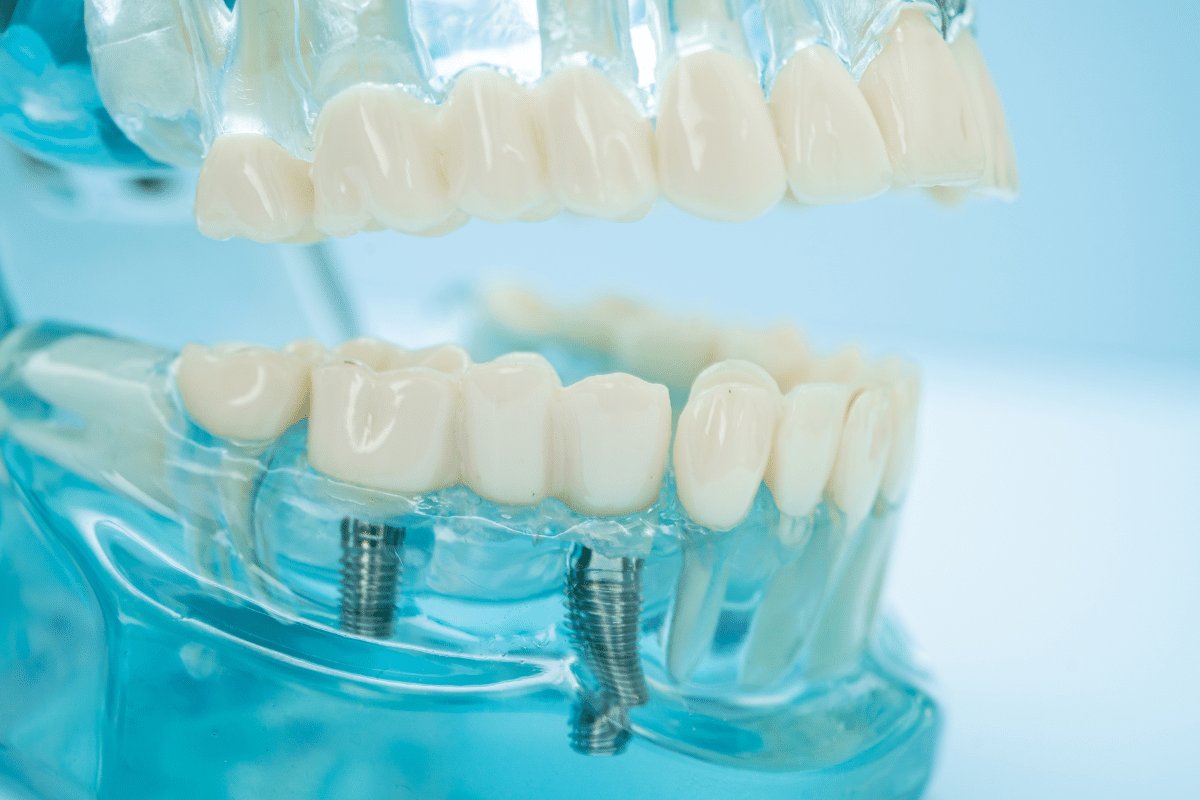
When it comes to dental implants, there are several types available that can cater to different needs and budgets. The most commonly used type is the endosteal implant, which involves a titanium post being inserted into the jawbone to support a prosthetic tooth. This procedure is suitable for patients with good bone density and healthy gums.
For those who have experienced significant bone loss in their jaw, subperiosteal implants may be recommended. These implants sit on top of the jawbone but under the gum line and are typically used when bone grafting isn’t an option.
Another alternative is zygomatic implants, which involve attaching the implant to cheekbones instead of directly to the jawbone. This method can be beneficial for individuals who don’t have enough upper-jaw bone or who don’t want a complex surgical procedure.
Mini dental implants are another option that may appeal to some people due to their smaller size. They require less invasive surgery than traditional options and are usually less expensive as well.
Choosing which type of dental implant will work best depends on various factors unique to each patient’s situation. It’s important to consult with an experienced dentist before making any decisions about restorative dentistry procedures like these.
The Cost Of Dental Implants
Dental implants are a popular cosmetic dentistry procedure for replacing missing teeth. However, many people hesitate to go through the process due to concerns about cost. The truth is that the cost of dental implants varies depending on various factors.
The first factor that affects the cost of dental implants is the type of implant used. Traditional or standard implants tend to be more expensive than mini-implants, which require less preparation and surgery time.
Another factor is the number of teeth being replaced, as this will affect how many implant posts will need to be inserted into your jawbone. More extensive treatments may also involve additional procedures such as bone grafts or sinus lifts, which can add extra costs.
Different clinics have varying prices for dental implant procedures based on their location and level of expertise in performing them.
It’s important not to let these factors discourage you from seeking out dental implant treatment if it is something you feel would benefit your oral health and well-being. Many dentists offer financing options or payment plans to help manage costs over time.
Pros And Cons Of Dental Implants
Dental implants are a popular and effective way to replace missing teeth. However, like any dental procedure, there are pros and cons to consider before deciding if it’s the right choice for you.
One of the main advantages of dental implants is their durability. With proper care, they can last for many years and even a lifetime. They also provide excellent stability and support for artificial teeth, making them feel just like natural teeth.
Another benefit is that dental implants help preserve the overall structure of your mouth. When you lose a tooth or multiple teeth, it can cause bone loss in your jaw over time. Dental implants prevent this from happening by stimulating bone growth and maintaining its shape.
However, there are some potential downsides to keep in mind as well. One significant disadvantage is their cost – dental implants tend to be more expensive than other options such as dentures or bridges.
Additionally, getting dental implants requires surgery which means there will be some discomfort during recovery time after the implantation process has been done but this can vary depending on each individual case.
There may be some drawbacks involved with dental implants such as expenses related with surgeries; however, considering all their benefits including long-lasting results which improve both oral healthiness & beauty so they could certainly be worth exploring further if you’re looking for a permanent solution to missing teeth!
How To Choose The Right Dentist For Dental Implants?
Choosing the right dentist for dental implants is crucial to ensure a successful and satisfactory outcome. Here are some tips on how to choose the right dentist for your dental implant procedure.
Make sure your chosen dentist has extensive experience in performing dental implant procedures. Check their credentials, reviews and ask for referrals from friends or family members who have undergone similar procedures.
Consider the technology used by the dentist. A good dentist must use modern and advanced techniques that will improve the accuracy of placement of implants, reduce pain during surgery, and speed up recovery time.
Check if your chosen dentist provides aftercare services such as regular follow-up appointments or emergency care in case of complications. Ask them about any possible risks involved with the procedure and how they plan to manage them.
You should feel comfortable with your selected dentist throughout all stages of treatment. Make sure you can communicate effectively with him/her and that they listen to all concerns regarding treatment options so that an individualized plan can be created just for you.
Choosing a skilled practitioner who uses up-to-date equipment and techniques is vital to having a successful dental implant journey from start to finish!
The Bottom Line
Getting dental implants can be a life-changing decision for those who have been struggling with missing teeth. While the cost may seem daunting at first, it’s important to consider the long-term benefits and improved quality of life that come with having a full set of teeth.
When choosing a dentist for your implant procedure, make sure to do your research and find someone experienced and reputable. Don’t be afraid to ask for before-and-after photos or testimonials from previous patients.
The cost of dental implants varies depending on individual circumstances such as location, type of implant needed, and any additional procedures required. However, by weighing the pros and cons and taking into account all factors involved, you can make an informed decision about whether dental implants are right for you.