2520 W Hermosa Dr, Artesia, NM 88210

Tooth decay is a common concern for parents in Artesia, NM. Cavities can appear early, often due to sugary snacks or poor brushing habits. But when does a simple cavity escalate to the point of needing a root canal? Understanding this can help you protect your child’s smile and avoid unnecessary worry. This blog dives into the signs, causes, and treatment options for tooth decay in children, offering clear, actionable insights to keep your child’s dental health on track.
What Is Tooth Decay in Children?
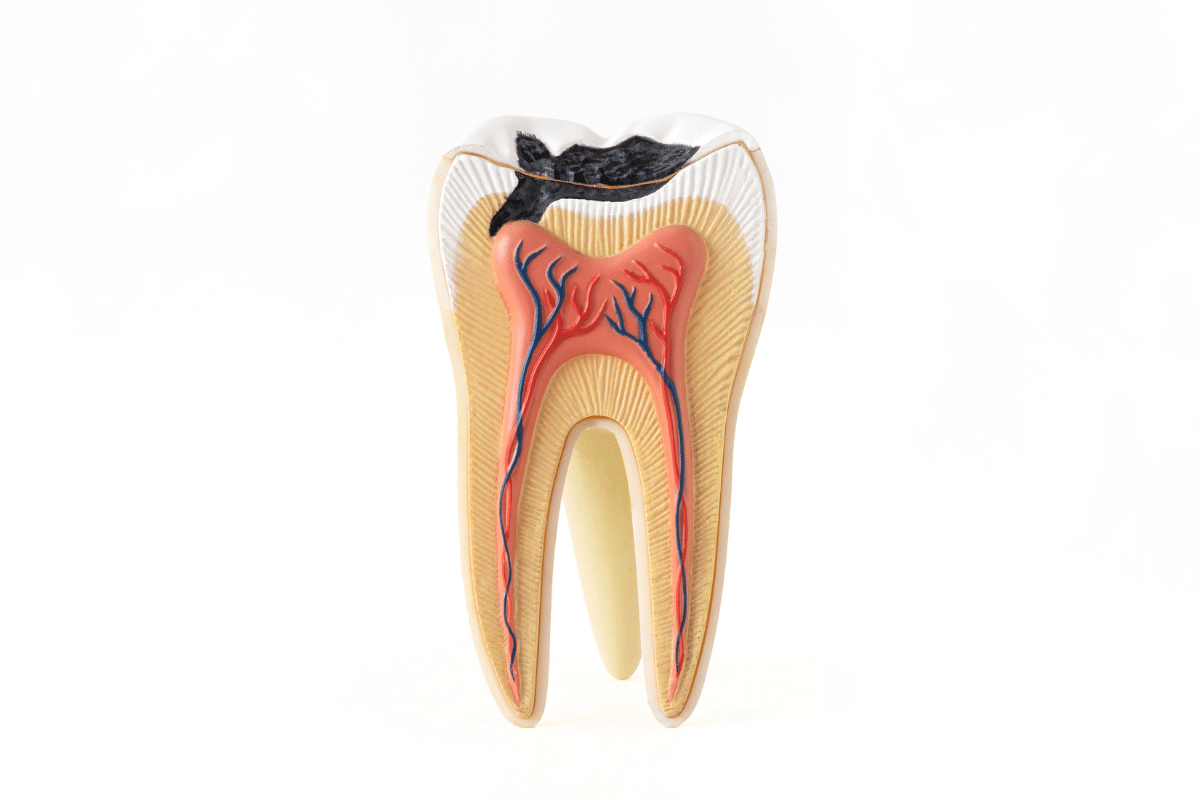
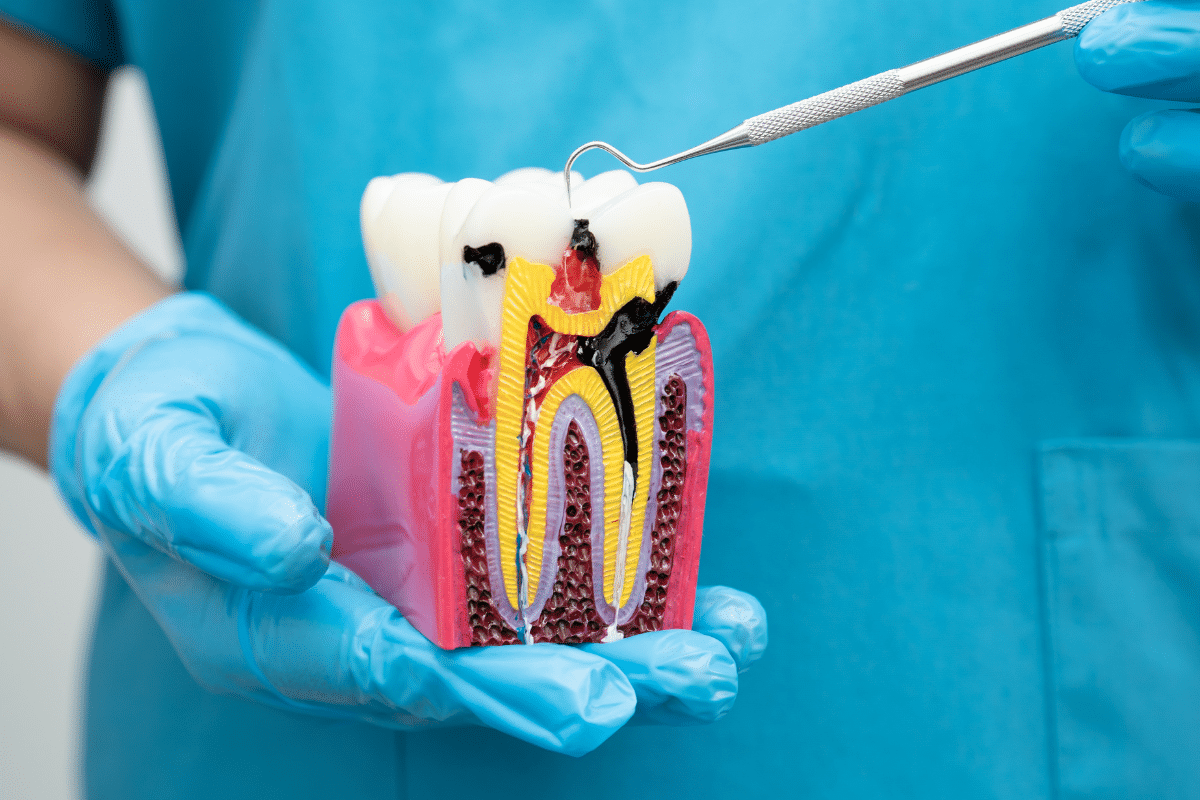
Tooth decay, also known as dental caries, occurs when bacteria in the mouth produce acids that erode tooth enamel. In children, this often starts with baby teeth, which are more vulnerable due to thinner enamel. Left untreated, decay can spread deeper into the tooth, affecting the dentin and even the pulp—the soft core containing nerves and blood vessels. Early signs include white or brown spots on teeth, sensitivity to hot or cold, or mild pain while chewing.
When Does Decay Require a Root Canal?
A root canal becomes necessary when decay reaches the tooth’s pulp, causing infection or inflammation. This typically happens in severe cases where the cavity is deep or untreated for too long. For children in Artesia seeking root canal therapy, the procedure is often recommended to save a tooth—whether it’s a baby tooth or a permanent one—when less invasive treatments like fillings or silver diamine fluoride won’t suffice. Here are key indicators that a root canal may be needed:
-
Persistent Pain: Ongoing toothaches, especially during eating or drinking, suggest the pulp is affected.
-
Swollen Gums or Cheeks: Swelling near the tooth can indicate an abscess or infection.
-
Darkened Teeth: Discoloration, like brown or black spots, may signal deep decay or pulp damage.
-
Sensitivity to Temperature: Severe discomfort with hot, cold, or sweet foods often points to pulp issues.
-
Trauma or Injury: A cracked or chipped tooth from an accident can expose the pulp, necessitating treatment.
|
Signs of Decay |
When to See a Dentist |
|---|---|
|
White/brown spots |
Schedule a checkup |
|
Mild sensitivity |
Monitor and consult |
|
Severe pain/swelling |
Urgent visit needed |
|
Tooth discoloration |
Immediate evaluation |
Why Root Canals Are Important for Children
Many parents wonder if root canals are necessary for baby teeth, which will eventually fall out. The answer is yes, in many cases. Baby teeth guide permanent teeth into place and support proper speech and chewing development. Losing them too early can lead to bite issues or speech problems. A root canal can preserve the tooth until it’s ready to fall out naturally, maintaining your child’s oral health and confidence.
For permanent teeth, the stakes are higher. Saving a damaged tooth with a root canal prevents extraction, which could lead to costly orthodontic issues later. Modern pediatric dentistry makes the procedure quick and comfortable, often using local anesthesia to ensure a pain-free experience.
How Is a Root Canal Performed on Children?
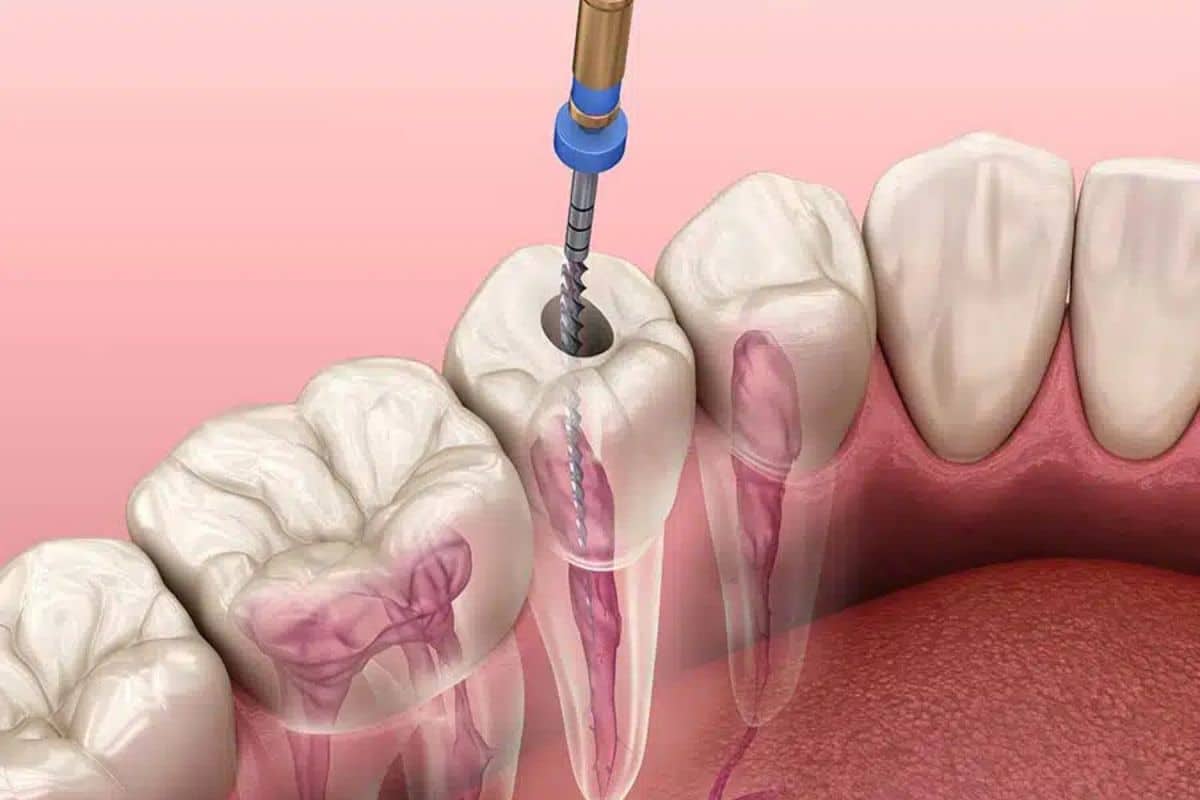
The root canal process for kids is straightforward and designed to be gentle. A pediatric dentist will:
-
Numb the Area: Local anesthesia ensures comfort.
-
Isolate the Tooth: A rubber sheet keeps the area clean and dry.
-
Remove Diseased Pulp: Tiny tools clean out infected tissue.
-
Clean and Fill: The canal is disinfected and filled with safe material.
-
Restore the Tooth: A crown or filling protects the tooth.
The procedure typically takes one or two visits, with minimal discomfort thanks to advances in dental technology. Parents can ease their child’s anxiety by explaining the process in simple terms and choosing a local dentist near you who specializes in pediatric care for a stress-free experience.
Preventing Tooth Decay in Children
Prevention is the best defense against cavities and root canals. Here are practical tips to keep your child’s teeth healthy:
-
Brush Twice Daily: Use fluoride toothpaste to strengthen enamel.
-
Floss Regularly: Remove food particles between teeth.
-
Limit Sugary Snacks: Reduce exposure to candies and sodas.
-
Regular Checkups: Visit a dentist every six months for cleanings and exams.
-
Sealants: These protective coatings can prevent cavities in molars.
Encourage good habits early by making brushing fun and setting a routine. Regular dental visits also catch decay before it progresses to the pulp, potentially avoiding invasive treatments.
Trending FAQs on Root Canals for Children
Parents often have questions about root canals for their kids. Below are answers to some of the most commonly searched questions on Google:
-
Is a root canal safe for my child?
Yes, root canals are safe when performed by a trained pediatric dentist. Modern techniques and anesthesia ensure minimal discomfort. -
Can baby teeth need a root canal?
Absolutely. If decay or injury affects the pulp, a root canal can save the tooth and prevent complications. -
How do I know if my child needs a root canal?
Look for signs like severe tooth pain, swelling, or sensitivity to hot/cold. A dentist can confirm with an exam or X-ray. -
Will my child need a crown after a root canal?
Often, yes, especially for back teeth used for chewing. Crowns restore strength and function. -
How can I prepare my child for the procedure?
Explain it in simple terms, reassure them it won’t hurt, and choose a dentist skilled in working with kids.
Alternatives to Root Canals
Not every case of tooth decay requires a root canal. For less severe cavities, options include:
-
Fillings: Suitable for shallow cavities that haven’t reached the pulp.
-
Silver Diamine Fluoride: A non-invasive liquid that slows decay, though it may stain teeth.
-
Caps (Hall Technique): A metal cap placed over the tooth to stop decay without drilling.
However, if the pulp is infected, these alternatives may not be enough. A dentist will assess the tooth’s condition to recommend the best approach.
Why Early Detection Matters
Catching tooth decay early can prevent the need for a root canal. Regular dental checkups allow dentists to spot cavities before they deepen. Parents should watch for early signs like white spots or mild sensitivity and act quickly. In Artesia, NM, pediatric dentists are skilled at identifying issues early, ensuring your child’s smile stays healthy with minimal intervention.
|
Treatment Options |
When It’s Used |
Pros |
Cons |
|---|---|---|---|
|
Fillings |
Shallow cavities |
Quick, affordable |
Limited to early decay |
|
Silver Diamine Fluoride |
Early to moderate decay |
Non-invasive |
May stain teeth |
|
Root Canal |
Deep decay/infection |
Saves tooth |
More involved |
|
Extraction |
Beyond saving |
Last resort |
May cause bite issues |
Keeping Your Child’s Smile Bright
Tooth decay in children can escalate from a minor cavity to a serious issue requiring a root canal, but early action and prevention can make all the difference. By understanding the signs and seeking timely care, you can protect your child’s oral health and avoid complications. For families in Artesia, NM, a trusted local dentist near you at Smile Xpressions can provide expert pediatric care. Schedule an appointment today by calling (575) 746-1900 to ensure your child’s smile stays healthy and bright.