2520 W Hermosa Dr, Artesia, NM 88210


Choosing the right toothbrush is an important part of maintaining good oral health. Many people wonder whether electric toothbrushes clean teeth better than traditional manual toothbrushes or if both options are equally effective. While both types can help remove plaque and protect teeth when used properly, there are several differences that may make one option more suitable depending on individual needs and brushing habits.
Understanding how electric and manual toothbrushes compare can help patients make more informed decisions about their daily oral care routine.
How Manual Toothbrushes Work
Manual toothbrushes rely entirely on the user’s brushing technique and hand movement to clean teeth and gums. They are widely available, affordable, and simple to use.
A manual toothbrush can effectively remove plaque when patients:
- Brush for at least two minutes
- Use proper brushing technique
- Reach all tooth surfaces
- Brush twice daily consistently
Manual toothbrushes are available in various bristle textures, head sizes, and handle designs, allowing patients to choose options that feel comfortable for them.
How Electric Toothbrushes Work
Electric toothbrushes use powered bristle movements such as oscillating, rotating, or vibrating motions to clean teeth automatically. These movements help break up plaque with less manual effort.
Many electric toothbrushes also include features like:
- Built-in timers
- Pressure sensors
- Multiple cleaning modes
- Rechargeable batteries
- Bluetooth tracking
These added features often help improve brushing consistency and technique for many users.
Are Electric Toothbrushes More Effective?
Research has shown that electric toothbrushes may remove slightly more plaque and reduce gingivitis more effectively than manual toothbrushes for some individuals. The powered movements help create consistent brushing action that many people may not achieve manually.
However, the effectiveness of any toothbrush still depends heavily on proper and consistent use. A manual toothbrush used correctly can still maintain excellent oral health.
For patients who struggle with brushing technique or consistency, electric toothbrushes may offer additional benefits.
Electric Toothbrushes May Help Certain Patients
Some individuals benefit more from electric toothbrushes than others. These may include:
- Children learning proper brushing habits
- Patients with arthritis or limited hand mobility
- Individuals with braces
- Patients with gum disease
- People who brush too aggressively
Pressure sensors on some electric toothbrushes can help prevent overbrushing, which may reduce gum irritation and enamel wear.
Manual Toothbrushes Still Offer Advantages
Although electric toothbrushes provide convenience, manual toothbrushes still remain effective and practical for many people.
Benefits of manual toothbrushes include:
- Lower cost
- Easy portability
- No charging required
- Wide availability
- Simple replacement
For patients with good brushing habits and technique, a manual toothbrush may work just as well for maintaining oral health.
Brushing Technique Matters Most
Regardless of which toothbrush is used, brushing technique plays a major role in oral health.
Patients should:
- Brush twice daily
- Use fluoride toothpaste
- Clean for two full minutes
- Brush gently along the gumline
- Replace toothbrushes every three to four months
Poor brushing habits with an expensive electric toothbrush are often less effective than proper brushing with a manual toothbrush.
Are Electric Toothbrushes Better for Children?
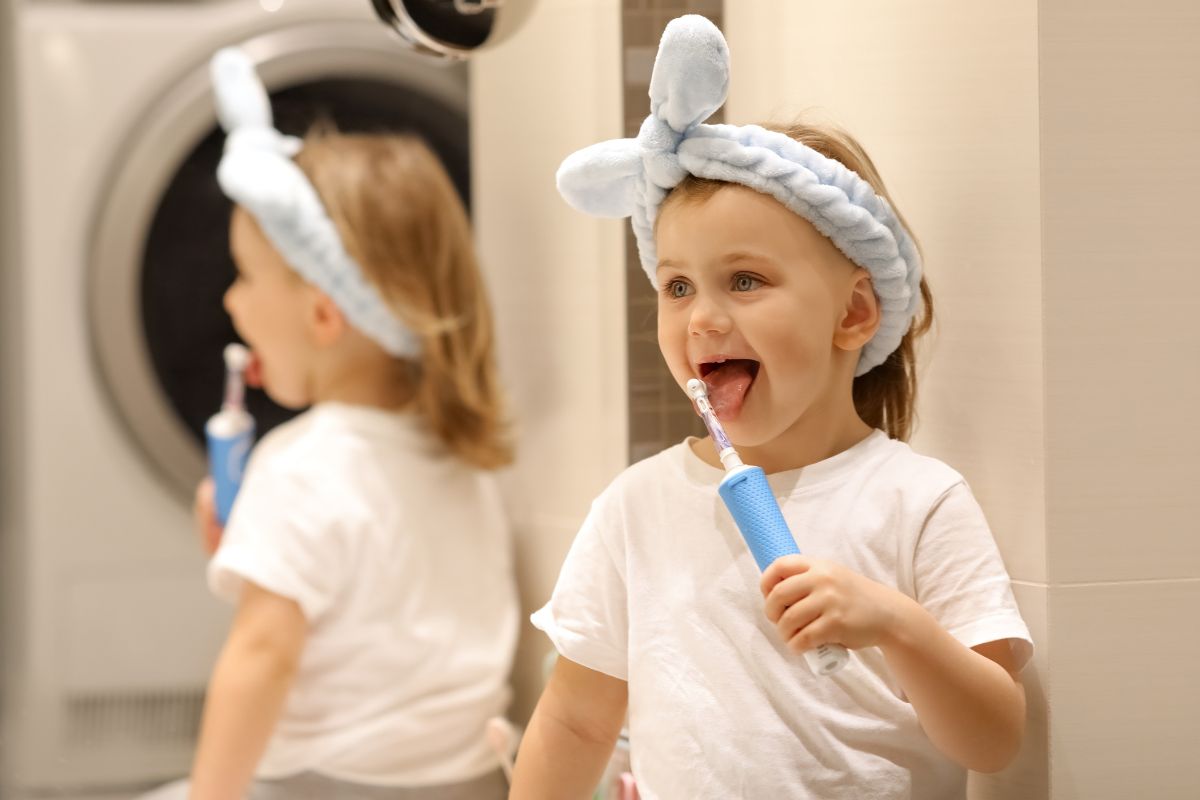
Electric toothbrushes can sometimes make brushing more enjoyable for children. Many kids respond positively to timers, sounds, or character-themed designs that encourage longer brushing sessions.
However, younger children should still be supervised to ensure proper cleaning and safe brushing habits.
Parents should choose toothbrushes with soft bristles and age-appropriate designs.
Cost Differences Between Electric and Manual Toothbrushes
One major difference between the two options is cost. Manual toothbrushes are inexpensive and easy to replace regularly.
Electric toothbrushes require a larger upfront investment and replacement brush heads over time. Some advanced models may also include additional technology features that increase cost further.
For many families, oral hygiene consistency remains more important than choosing the most expensive toothbrush available.
Which Toothbrush Is Best?
There is no single toothbrush that works best for everyone. The ideal choice depends on:
- Personal preference
- Brushing habits
- Budget
- Dexterity
- Oral health condition
Some people prefer the simplicity of manual toothbrushes, while others find electric toothbrushes easier and more effective for maintaining consistent brushing habits.
The best toothbrush is ultimately the one a person will use correctly every day.
Maintaining Overall Oral Health
Toothbrushing alone is not enough to fully protect oral health. Patients should also:
- Floss daily
- Limit sugary foods and drinks
- Visit the dentist regularly
- Address dental concerns early
Preventive dental care remains essential regardless of which toothbrush is used at home.
For patients looking to improve their oral hygiene routine, Smile Xpressions provides family dental care and preventive services designed to help patients maintain healthy smiles in Artesia, NM. Schedule your next dental checkup with us to learn more about maintaining healthy teeth and choosing the best oral care routine for your smile.