2520 W Hermosa Dr, Artesia, NM 88210


Are you experiencing persistent tooth pain that just won’t go away? Or maybe you’ve noticed swelling in your gums and a lingering sensitivity to hot or cold foods. These are all signs that something might be amiss deep within your tooth, possibly indicating the need for a root canal procedure. Don’t worry – we’re here to help demystify what a root canal entails and provide insight into the signs and symptoms that suggest it may be time to consult with your dentist. So, let’s dive in and explore how to recognize if you might need a root canal!
What are the signs and symptoms of a root canal?
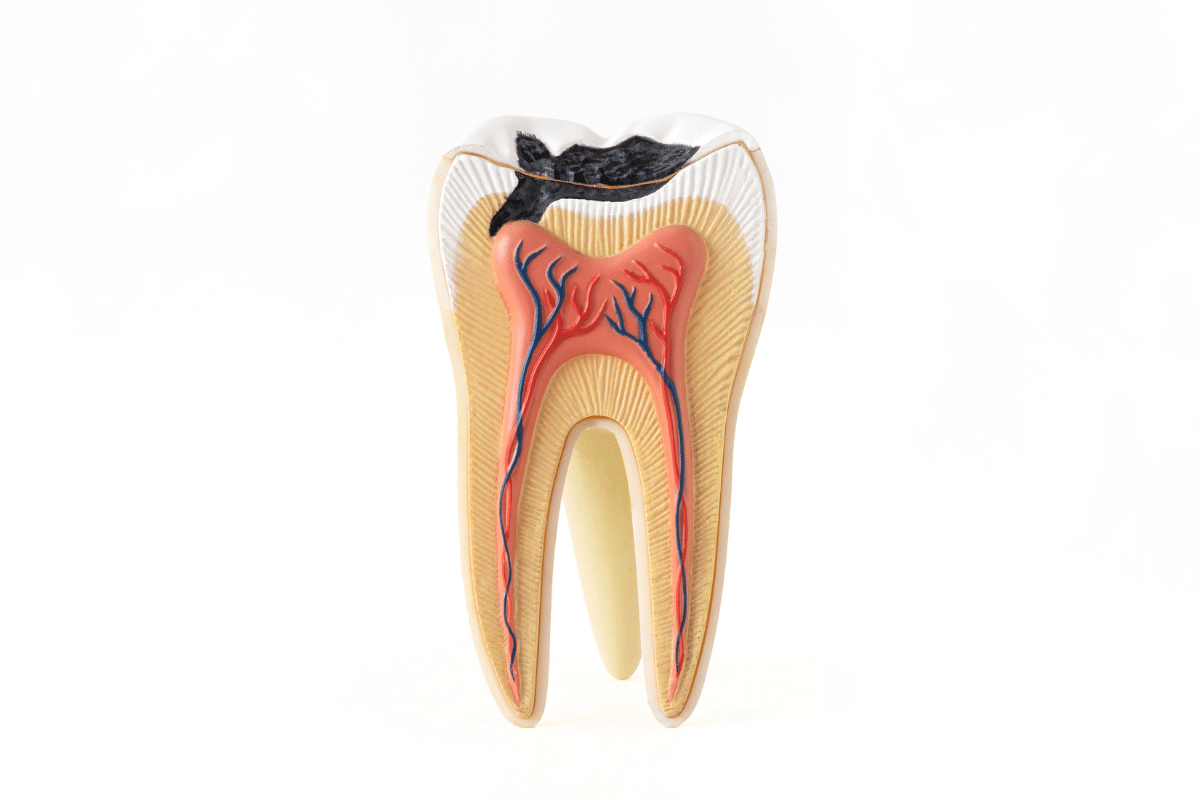
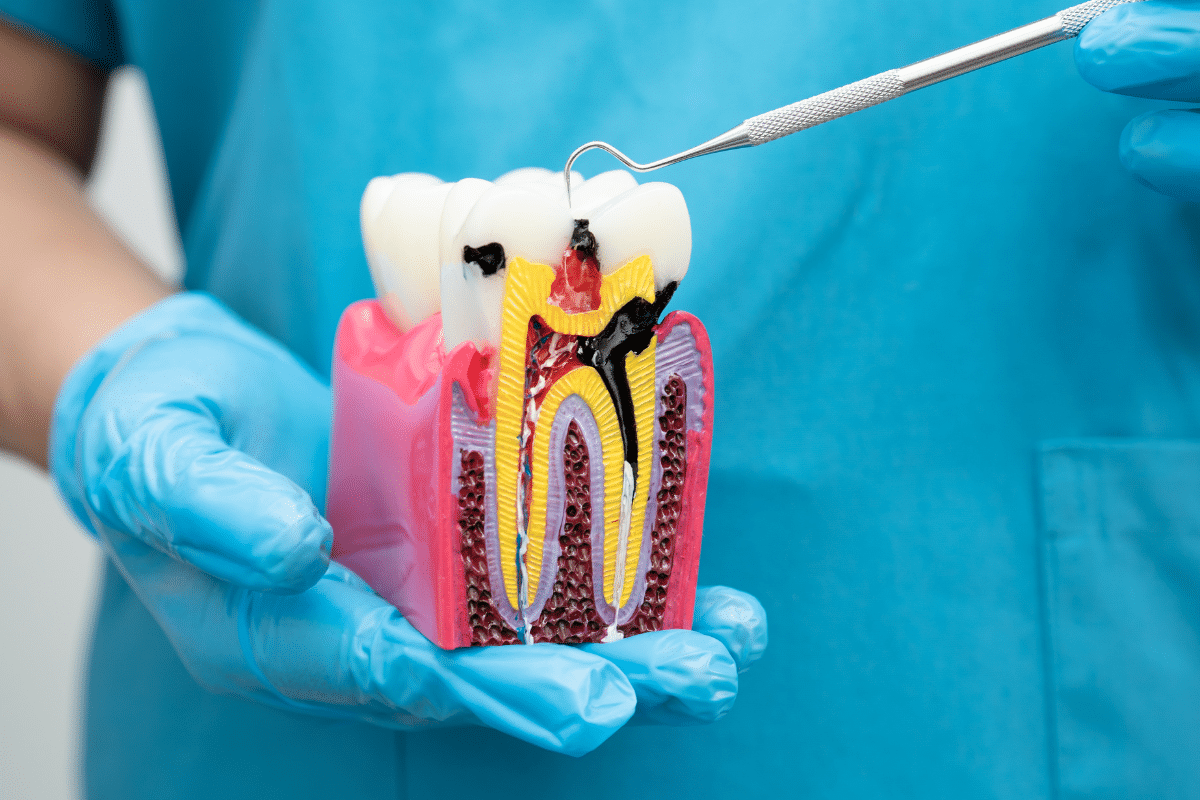
When it comes to the signs and symptoms of a root canal, there are several key indicators to be aware of. One common symptom is persistent tooth pain or discomfort. This pain may vary in intensity, ranging from mild and nagging to sharp and throbbing.
Another tell-tale sign that you might need a root canal is sensitivity to hot or cold temperatures. If sipping on your morning coffee or enjoying an ice cream cone sends shooting pains through your teeth, it could be a sign that the nerve within your tooth is damaged or infected.
Swelling in the gums around the affected tooth can also indicate the need for a root canal. This swelling may be accompanied by tenderness or even the formation of an abscess – a small pocket of pus caused by infection.
Keep an eye out for changes in tooth color as well. Discoloration, particularly darkening, can suggest internal damage requiring intervention.
Pay attention if you notice any persistent bad breath or an unpleasant taste in your mouth that doesn’t go away with brushing and flossing. These oral hygiene issues can indicate infection deep within the tooth’s pulp.
If you experience one or more of these symptoms, it’s crucial not to ignore them! Consult with your dentist who can assess whether a root canal is necessary based on their examination and diagnostic tests.
How can you tell if you need a root canal?
If you’re experiencing dental pain or discomfort, it’s important to pay attention to the signs and symptoms that may indicate the need for a root canal. While only a dentist can diagnose if you truly need this procedure, there are some common indicators to be aware of.
One telltale sign is persistent toothache that doesn’t go away with over-the-counter pain relievers. This could be accompanied by heightened sensitivity to hot or cold temperatures. Another clue is swelling and tenderness in the gums around the affected tooth.
Sometimes, an abscessed tooth may cause drainage or bad taste in your mouth. Additionally, if you notice discoloration of a specific tooth or a pimple-like bump on your gum, it could signify an infection requiring root canal treatment.
It’s also worth paying attention to any changes in your bite or difficulty chewing certain foods. If you experience any of these symptoms, it’s crucial to schedule an appointment with your dentist as soon as possible for an evaluation.
Remember that each person’s situation is unique, so always consult with a dental professional who can determine whether a root canal is necessary based on their expertise and examination.
What should you do if you think you need a root canal?
If you suspect that you might need a root canal, it’s important to take action and seek professional dental care. Ignoring the signs and symptoms could lead to further complications down the line.
The first step is to schedule an appointment with your dentist. They will be able to evaluate your oral health and determine if a root canal is necessary. During the examination, they may take X-rays or perform other tests to get a clear picture of what’s going on inside your tooth.
Once the need for a root canal has been confirmed, don’t panic! Remember that this procedure is designed to alleviate pain and save your natural tooth. Your dentist will explain what needs to be done and answer any questions or concerns you may have.
It’s important to follow through with scheduling the recommended treatment as soon as possible. Delaying or avoiding a root canal can lead to infection spreading, increased pain, and even tooth loss.
Leading up to your scheduled procedure, it’s essential to maintain good oral hygiene by brushing twice a day, flossing regularly, and rinsing with an antibacterial mouthwash. Avoid chewing on hard foods or using that side of your mouth excessively.
Remember that each person’s experience is unique when it comes time for the actual root canal procedure itself. While some patients may feel minimal discomfort during or after the treatment, others may require additional pain management options like over-the-counter analgesics prescribed by their dentist.
Rest assured knowing that thousands of successful root canals are performed every day around the world. Following post-treatment instructions provided by your dentist will help ensure proper healing and minimize any potential complications.
If you suspect you need a root canal – don’t delay! Schedule an appointment with your dentist who can accurately diagnose whether one is needed. Once diagnosed, follow through with necessary treatment promptly for optimal results in preserving your natural tooth.
How can you prepare for a root canal?
Preparing for a root canal procedure can help make the experience more comfortable and smooth. Here are some tips to help you prepare:
- Communicate with your dentist: Before the procedure, have a discussion with your dentist to understand what to expect during the root canal. Ask any questions you may have and discuss any concerns or fears you might be experiencing.
- Follow pre-procedure instructions: Your dentist will provide specific instructions on what you should do before the root canal. This may include avoiding certain foods or medications, fasting if necessary, or adjusting your daily oral hygiene routine.
- Arrange transportation: Root canals are typically done under local anesthesia, which means that driving yourself home after the procedure may not be safe. It’s best to arrange transportation in advance so that someone can drive you home afterward.
- Plan for recovery time: While most people resume normal activities after a root canal, it’s still important to plan for some downtime afterward. You might experience mild discomfort or swelling, so it’s helpful to have some restful activities planned for a day or two following the procedure.
By taking these steps to prepare for your root canal, you can ensure a more successful and comfortable experience overall.
What to expect after having a root canal procedure?
After undergoing a root canal procedure, it’s important to know what to expect during the recovery process. Here are some things you may experience:
- Sensitivity: It is common to feel sensitivity in the treated tooth for a few days following the procedure. This can be managed with over-the-counter pain medications or prescribed by your dentist.
- Swelling and Discomfort: You may notice some swelling and discomfort around the treated area. Applying an ice pack on your cheek can help reduce swelling.
- Temporary Crown: In most cases, a temporary crown will be placed on the tooth until the permanent crown is ready to be placed. This temporary crown helps protect the tooth while it heals.
- Follow-up Appointments: Your dentist will schedule follow-up appointments to check on your progress and ensure that everything is healing properly.
- Oral Hygiene Routine: It is crucial to maintain good oral hygiene after a root canal procedure by brushing twice daily, flossing regularly, and using an antimicrobial mouthwash recommended by your dentist.
- Avoidance of Hard Foods: During the healing process, it’s best to avoid hard or sticky foods that could potentially damage or dislodge the temporary crown or irritate the treated area.
- Tooth Sensation Changes : Some patients may experience changes in sensation in their treated tooth post-procedure such as feeling slightly different when biting down compared to their other teeth
Remember that everyone’s recovery time varies, so if you have any concerns or questions about what you’re experiencing after a root canal procedure, don’t hesitate to contact your dentist.
The Bottom Line
It is important to pay attention to the signs and symptoms that may indicate the need for a root canal. If you experience persistent tooth pain, sensitivity to hot or cold temperatures, swelling of the gums, or notice any changes in the color of your tooth, it is crucial to seek dental care immediately.
Remember that only a professional dentist can accurately diagnose whether you require a root canal treatment. If you suspect that you might need one, don’t delay in making an appointment. Early intervention can prevent further damage and potentially save your tooth.
Preparing for a root canal involves discussing any concerns with your dentist beforehand and following their instructions regarding medication and fasting if necessary. Be sure to communicate openly with your dentist about any health conditions or medications you are currently taking.