2520 W Hermosa Dr, Artesia, NM 88210


As we age, maintaining oral health becomes more critical than ever. Seniors face a variety of dental challenges, one of the most common being periodontal disease. This condition not only affects the gums and teeth but can also have a significant impact on overall health. For seniors in Artesia, understanding the risks, prevention strategies, and treatment options for periodontal disease is essential to maintaining a healthy smile well into the golden years.
Understanding Periodontal Disease and its Treatment in Seniors
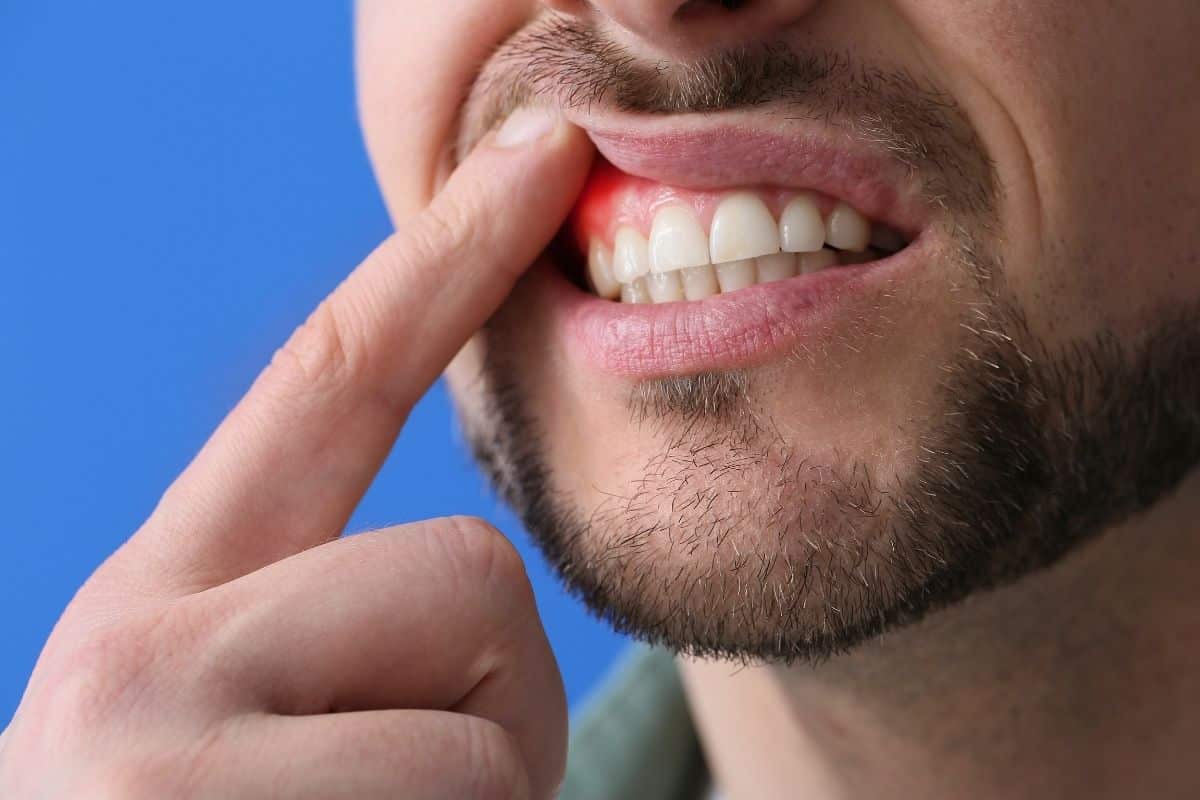
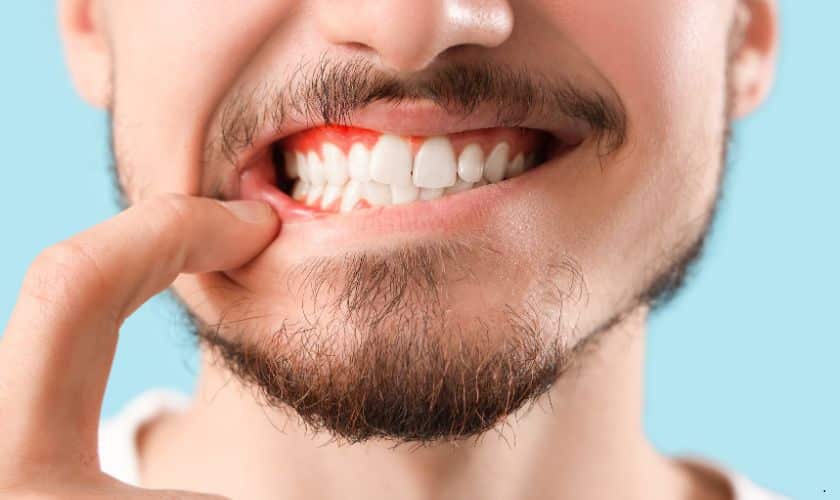
Periodontal disease, also known as gum disease, begins as gingivitis, an inflammation of the gums. If left untreated, it can progress to periodontitis, where the infection spreads to the underlying bone structure that supports the teeth. For seniors, this condition can lead to tooth loss, difficulty chewing, and more serious health issues, such as cardiovascular disease and diabetes complications.
The primary causes of periodontal disease include poor oral hygiene, smoking, certain medications, and health conditions like diabetes. Seniors are particularly vulnerable to gum disease due to a combination of factors, such as a weakened immune system, dry mouth, and other age-related health conditions. It’s important to address these risks and take proactive steps to manage oral health.
How Seniors Can Prevent Periodontal Disease
Prevention is always the first line of defense when it comes to periodontal disease. Seniors in Artesia can take several steps to reduce their risk of developing gum disease.
One of the most important habits is maintaining a consistent oral hygiene routine. Brushing teeth at least twice a day and flossing once a day are essential. Seniors with limited mobility or arthritis may benefit from using electric toothbrushes, which can make brushing easier and more effective. Additionally, using a fluoride toothpaste can help strengthen enamel and protect against gum disease.
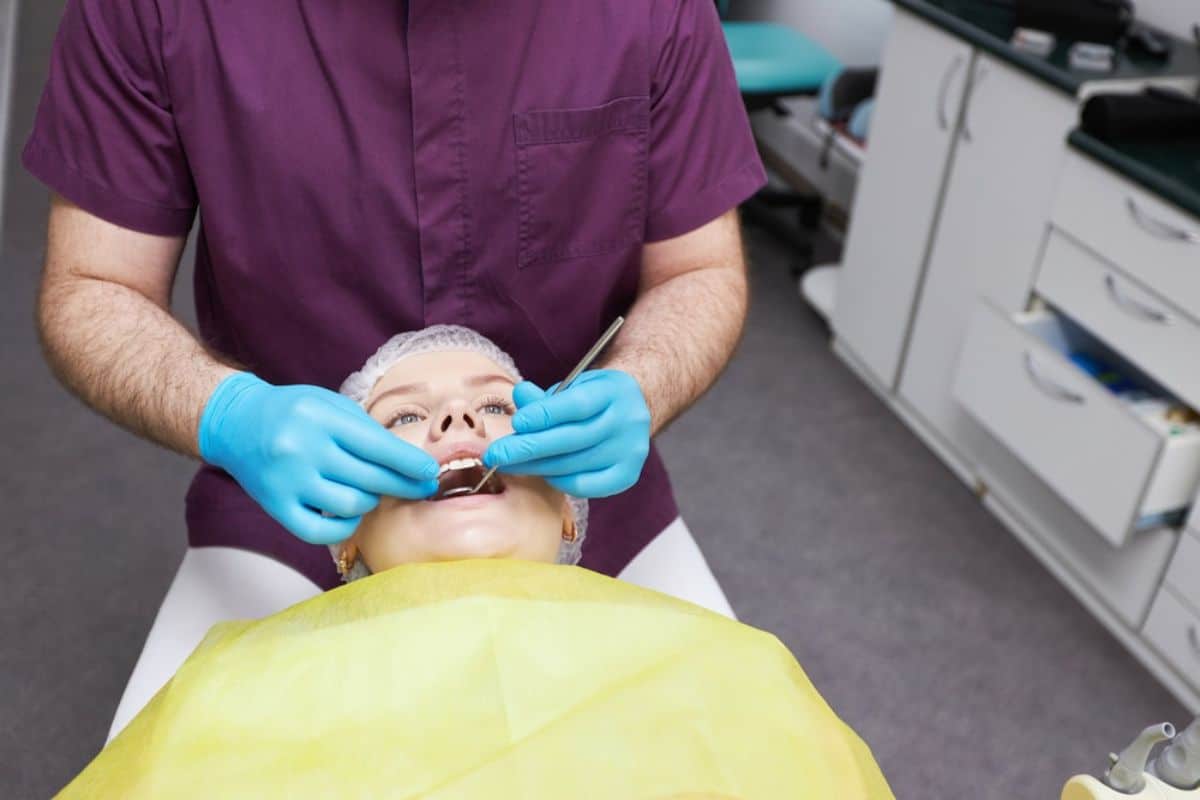
Regular dental visits are another crucial aspect of prevention. Seniors should see a dentist every six months for professional cleanings and check-ups. These appointments allow the dentist to monitor the condition of the gums, detect any early signs of periodontal disease, and provide treatment before it progresses. Regular cleanings help remove plaque and tartar buildup that regular brushing can’t eliminate.
The Link Between Overall Health and Periodontal Disease
Periodontal disease is not just a dental issue; it can have far-reaching effects on a senior’s overall health. Studies have shown that gum disease is linked to systemic conditions such as heart disease, diabetes, and respiratory infections. The bacteria from infected gums can enter the bloodstream, leading to inflammation and an increased risk of these health complications.
For seniors with diabetes, managing blood sugar levels is crucial, as high blood sugar can make the gums more susceptible to infection. Similarly, heart disease and periodontal disease share common risk factors, such as smoking and poor diet, which can exacerbate both conditions.
Maintaining good oral hygiene not only helps preserve teeth and gums but also contributes to better overall health. Seniors should be mindful of the connection between their oral health and their general well-being and take proactive steps to keep their gums healthy.
Periodontal Disease Treatment for Seniors
If periodontal disease is diagnosed, prompt treatment is essential to prevent further damage to the gums and underlying bone. Treatment options vary depending on the severity of the disease and may include non-surgical methods such as scaling and root planing or more advanced treatments like gum surgery.
Scaling and root planing is a deep cleaning procedure that involves removing plaque and tartar from below the gumline. This helps reduce inflammation and infection in the gums. For seniors with more advanced periodontal disease, gum surgery may be necessary to remove infected tissue or reshape the gums.
In some cases, laser therapy may be an option for seniors seeking a less invasive treatment. Laser treatments can effectively remove infected tissue and promote healing with minimal discomfort.
For those who need ongoing care, periodontal maintenance is crucial. This involves more frequent cleanings and check-ups to monitor the condition of the gums and prevent the disease from recurring. Seniors who have undergone periodontal treatment should follow their dentist’s recommendations for regular visits to maintain their oral health.
Conclusion
Oral health is an essential part of overall well-being for seniors, and preventing and treating periodontal disease plays a significant role in preserving quality of life. By practicing good oral hygiene, seeking regular dental care, and addressing any health issues that may impact gum health, seniors in Artesia can enjoy healthy gums and teeth for many years.
For those seeking expert care, Smile Xpressions offers comprehensive periodontal disease treatment in Artesia. Our skilled team is dedicated to helping seniors maintain optimal oral health and prevent gum disease from affecting their lives. Visit us today to learn more about how we can assist you in maintaining a healthy smile.