2520 W Hermosa Dr, Artesia, NM 88210


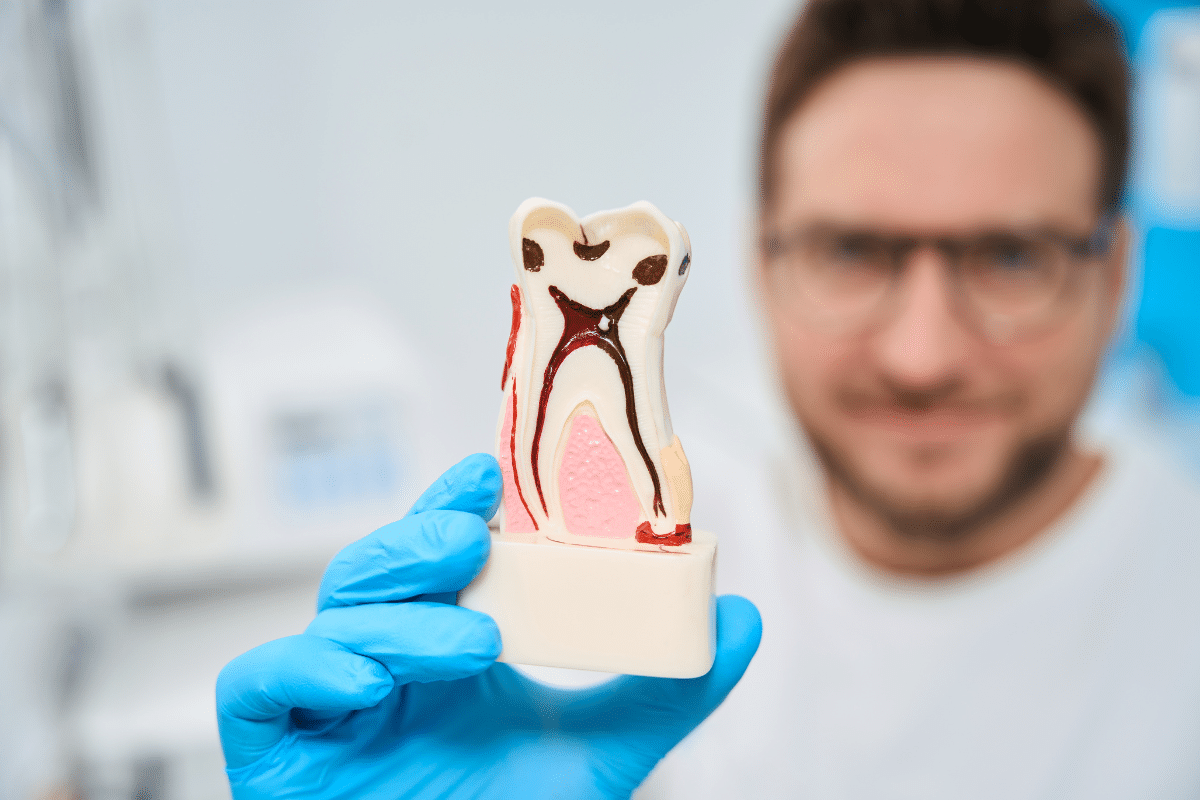
Tooth decay is one of the most common dental issues people face, affecting individuals of all ages. It occurs when harmful bacteria in the mouth create acids that erode the tooth’s enamel, leading to cavities. If left untreated, tooth decay can result in pain, infection, and even tooth loss. However, with the help of general dentistry, tooth decay can be effectively treated, preventing these more serious complications.
In this blog, we will explore how general dentistry addresses tooth decay, the causes and symptoms of decay, and the treatments available to restore oral health.
Understanding Tooth Decay and Its Causes
Tooth decay begins with the buildup of plaque, a sticky film that forms on your teeth when bacteria mix with food particles. When you consume sugary or starchy foods and drinks, the bacteria in plaque produce acids. These acids attack the tooth’s enamel, breaking it down over time and creating cavities.
If plaque is not removed through regular brushing and flossing, it hardens into tartar, which can contribute to further decay and lead to gum disease. Other factors that can increase your risk of tooth decay include:
- Poor oral hygiene habits
- A diet high in sugars and starches
- Dry mouth (lack of saliva, which normally helps wash away food and neutralize acids)
- Certain medical conditions or treatments that affect saliva production
- Receding gums, which expose the roots of the teeth
Symptoms of Tooth Decay
In its early stages, tooth decay may not show any noticeable symptoms. Often, only a dentist can detect early signs of decay during a routine exam. However, as the decay progresses, you may experience symptoms such as:
- Tooth sensitivity to hot, cold, or sweet foods and beverages
- Visible discoloration or dark spots on the tooth’s surface
- Pain or discomfort when chewing
- Toothache that worsens over time
- Development of cavities or small holes in the teeth
If the decay is left untreated, it can lead to infections, such as abscesses, which are pockets of pus that can cause fever, swelling, and severe pain.
General Dentistry Treatments for Tooth Decay
General dentistry offers a variety of treatments to address tooth decay, depending on the severity of the condition. If you suspect you have a cavity or are experiencing discomfort, it’s essential to visit a general dentist to determine the best course of action. Here’s how general dentistry can help:
Fluoride Treatments
In the early stages of tooth decay, fluoride treatments can be highly effective. Fluoride is a mineral that helps repair weakened enamel by replenishing lost minerals. General dentists may recommend fluoride treatments if they detect early signs of decay, as this can strengthen the teeth and prevent further damage. Fluoride can be applied as a gel, foam, or varnish during a routine dental visit.
Dental Fillings
When a cavity forms, a filling is often the most common solution. The decayed part of the tooth is removed, and the hole is filled with a composite material to restore the tooth’s structure and function. Dental fillings are a quick and effective way to treat minor cavities and prevent the decay from spreading. With proper care, a filling can last for several years, helping to preserve the tooth’s health.
Root Canal Therapy
In cases where the decay has reached the tooth’s pulp (the innermost part containing nerves and blood vessels), root canal therapy may be required. During a root canal, the general dentist removes the infected pulp, cleans the inside of the tooth, and seals it to prevent further infection. The tooth is then restored with a crown to ensure its strength and longevity. This treatment saves the tooth from extraction and eliminates pain caused by the infection.
Tooth Extraction
In severe cases of tooth decay where the tooth is beyond repair, extraction may be necessary. This typically occurs when the infection has caused extensive damage to the tooth’s structure, making it impossible to save with a filling or root canal. After extraction, options such as dental implants or bridges can be discussed to replace the missing tooth and restore full function to your mouth.
How to Prevent Tooth Decay
While general dentistry treating tooth decay provides excellent solutions. Following a good oral hygiene routine can significantly reduce your risk of developing cavities. Make sure to:
- Brush your teeth at least twice a day with fluoride toothpaste
- Floss daily to remove food particles from between your teeth
- Limit sugary and starchy snacks
- Visit your general dentist for regular cleanings and exams
By taking these steps, you can protect your teeth from decay and avoid the need for more extensive treatments.
Conclusion
Tooth decay is a common problem, but it’s one that can be effectively managed with the help of general dentistry. From fluoride treatments to fillings and root canals, general dentists have the tools and expertise to treat decay and restore your oral health. If you’re experiencing symptoms of tooth decay, don’t wait — visit your general dentist in Artesia before the issue gets worse.