2520 W Hermosa Dr, Artesia, NM 88210

Whether you have heard of them before or not, dental crowns play a crucial role in maintaining your oral health and restoring the beauty of your smile. In this article, we will dive into the world of dental crowns, exploring why they are necessary and the different types available. So sit back, relax, and let’s discover everything you need to know about dental crowns – those little heroes that can make a big difference in your oral well-being. Let’s get started!
What is a dental crown?
A dental crown, also known as a tooth cap or dental cap, is a type of dental restoration that is designed to cover and protect a damaged tooth. It is like a little helmet for your pearly whites!
This custom-made prosthetic device fits over the entire visible portion of the tooth, from the gum line up to the biting surface. Dental crowns are typically made from materials such as porcelain, ceramic, metal alloys, or a combination of these.
But why would you need a dental crown in the first place? Well, there are several reasons. One common reason is when a tooth has suffered extensive decay and cannot be restored with just a simple filling. A dental crown provides added strength and support to ensure that your compromised tooth remains functional and doesn’t cause further damage.
Another reason for getting a dental crown is if you have undergone root canal therapy. After removing infected tissue from inside your tooth’s root canals, it may become weak and prone to fractures – insert the superhero crown here!
Dental crowns are also used to improve the appearance of misshapen or discolored teeth. If you’ve been self-conscious about your less-than-perfect smile, fear not! A well-crafted dental crown can restore both form and function while boosting your confidence.
So now that we know what exactly a dental crown is and why it might be necessary let’s explore some different types available on today’s market! Stay tuned for more exciting information coming right up.
Why are dental crowns necessary?
Dental crowns are necessary for a variety of reasons, all aimed at improving the function and appearance of your teeth. One common reason for needing a dental crown is to protect a tooth that has undergone extensive damage or decay. In such cases, the crown acts as a protective cover, preventing further damage and strengthening the tooth.
Another reason why dental crowns may be necessary is to restore a tooth after root canal therapy. During this procedure, the infected pulp within the tooth is removed, leaving it weak and vulnerable. A crown is then placed over the treated tooth to provide strength and support.
Furthermore, dental crowns are often used to enhance the aesthetics of your smile by covering up discolored or misshapen teeth. If you have teeth that are severely stained or chipped, getting dental crowns can help improve their appearance dramatically.
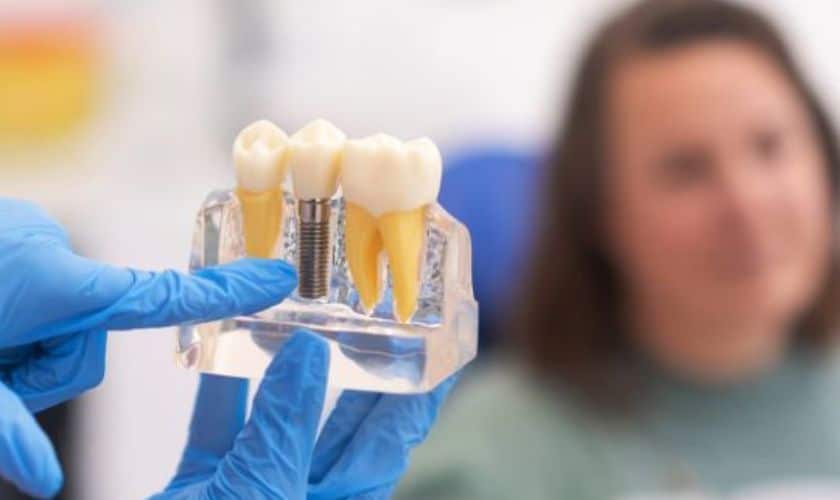
In some instances, dental crowns are also utilized in conjunction with dental implants as part of a comprehensive treatment plan for missing teeth. The crown sits on top of an implant post which serves as an artificial root, creating a natural-looking replacement for your missing tooth.
Whether it’s due to damage, decay, aesthetic concerns or missing teeth – dental crowns play an essential role in restoring oral health and enhancing your smile’s overall beauty
The different types of dental crowns
Dental crowns are a common dental treatment used to restore the structure and function of damaged or decayed teeth. They act as protective caps that cover the entire visible portion of the tooth, providing strength and durability.
There are several different types of dental crowns available, each with their own unique advantages and considerations. One type is porcelain-fused-to-metal (PFM) crowns, which combine the natural-looking appearance of porcelain with the added strength provided by metal. PFM crowns are often a popular choice for restoring both front and back teeth.
Another option is all-ceramic or all-porcelain crowns, which offer excellent aesthetics due to their ability to closely mimic the color and translucency of natural teeth. These types of crowns are ideal for patients who prioritize having a restoration that blends seamlessly with their existing smile.
For those seeking maximum strength, metal crowns may be recommended. Metal options such as gold or silver alloy provide exceptional durability but may not be as aesthetically pleasing as other alternatives.
In recent years, zirconia crowns have gained popularity due to their superior strength and biocompatibility. Zirconia is an incredibly strong material that can withstand biting forces while maintaining a natural appearance.
It’s important to note that each type of crown has its own set of pros and cons depending on factors such as cost, location in the mouth, personal preferences, and overall oral health condition. Your dentist will help determine which type best suits your needs during your consultation.
Remember that proper care is essential regardless of the type chosen. Good oral hygiene practices should include regular brushing, flossing around crowned teeth gently but thoroughly using non-abrasive products like fluoride toothpaste or mouthwash without alcohol content , along with routine check-ups at your dentist for professional cleanings
By understanding these different types of dental crowns available today along with proper care instructions you’ll be better equipped to make an informed decision about your dental health. Remember to consult with your dentist who can
How to take care of your dental crowns?
Taking care of your dental crowns is essential to ensure their longevity and maintain oral health. Here are some tips on how to properly care for your dental crowns.
- Maintain a good oral hygiene routine: Brushing twice a day and flossing regularly is crucial for the health of your natural teeth as well as your dental crowns. Use a soft-bristled toothbrush and non-abrasive toothpaste to avoid damaging the crown’s surface.
- Avoid hard, sticky, or crunchy foods: Dental crowns can be susceptible to damage from biting into hard objects or chewing sticky foods like caramel or taffy. Try to avoid these types of food if possible.
- Wear a mouthguard during physical activities: If you participate in sports or any activity that poses a risk of impact to your mouth, it’s important to wear a mouthguard. This will protect both your natural teeth and the dental crown from potential damage.
- Visit your dentist regularly: Regular check-ups with your dentist allow them to monitor the condition of your dental crown and make any necessary adjustments or repairs before problems escalate.
- Be mindful of clenching or grinding habits: If you have bruxism (teeth grinding) or tend to clench your jaw, it may put excessive pressure on both natural teeth and dental crowns, leading to potential complications such as fractures or loosening of the crown. Your dentist may recommend wearing a night guard while sleeping to alleviate this habit.
By following these guidelines, you can help ensure that your dental crowns stay strong and functional for years to come! Rememer, proper care is key in maintaining optimal oral health.
The Bottom Line
Dental crowns are a versatile and effective solution for a variety of dental issues. Whether you have a cracked tooth, severe decay, or simply want to improve the appearance of your smile, dental crowns can provide the necessary support and restoration. By covering the entire visible portion of the tooth, they offer protection and durability that can last for many years.
Understanding when dental crowns are necessary is essential in maintaining optimal oral health. If you experience any of the common reasons discussed in this article – such as extensive tooth damage, root canal treatment, or cosmetic enhancement – it may be time to consider getting a dental crown.
Remember that there are different types of dental crowns available, each with its own advantages and considerations. Consult with your dentist to determine which type will best suit your needs.