2520 W Hermosa Dr, Artesia, NM 88210


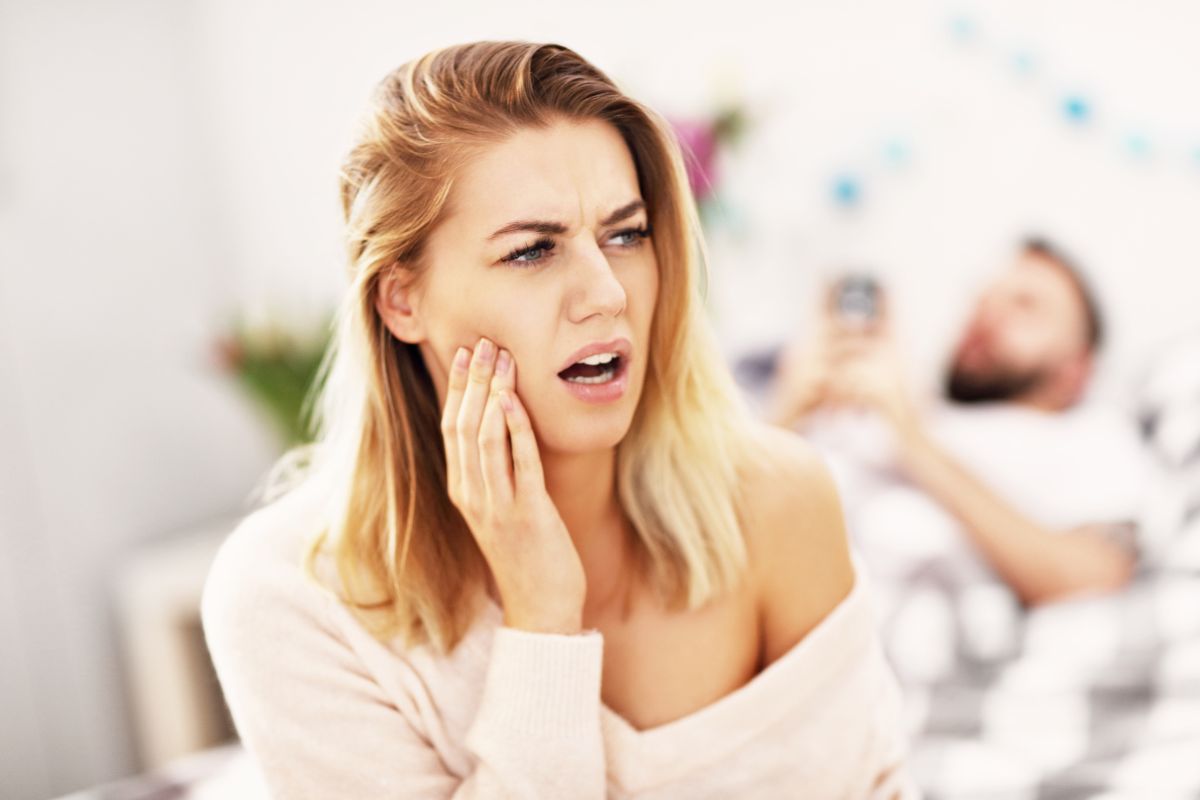
Biting into food should not cause sharp discomfort or sudden pressure in your teeth. When pain appears while chewing, many people initially assume it is something minor that will disappear within a few days. However, pain when biting down is often a sign that a tooth, nerve, or surrounding tissue may already be irritated or damaged.
Throughout Artesia and nearby New Mexico communities, many patients delay treatment because the pain only happens during meals or while chewing certain foods. Unfortunately, discomfort that occurs under pressure can sometimes point to dental problems that worsen over time if left untreated.
Understanding what may cause this type of tooth pain can help patients recognize when professional dental evaluation becomes important.
Tooth Pain While Biting Is Usually a Warning Sign
Teeth are designed to handle pressure during chewing. If biting suddenly becomes painful, something may be affecting the tooth’s normal structure or surrounding support.
Pain while biting may feel:
- Sharp
- Throbbing
- Sudden
- Dull and aching
- Sensitive to pressure
Some people only notice discomfort when chewing hard foods, while others experience pain even during light pressure.
The exact cause can vary depending on the tooth, surrounding gums, and overall oral health condition.
Common Causes of Tooth Pain When Biting Down
1. A Cracked Tooth
Small tooth cracks are one of the most common causes of pain during biting.
Cracks may develop because of:
- Chewing hard foods
- Teeth grinding
- Sports injuries
- Accidents
- Large fillings weakening the tooth
Some cracks are difficult to see without dental imaging.
Pain often occurs because pressure causes the crack to slightly open during chewing, irritating the inner tooth structures.
Signs of a Cracked Tooth May Include:
- Sharp pain while chewing
- Sensitivity to temperature
- Pain that comes and goes
- Discomfort with pressure release
Early treatment may help prevent the crack from worsening.
2. Tooth Decay or Cavities
Cavities do not always cause constant pain immediately. In some cases, discomfort only becomes noticeable when pressure is applied while eating.
As decay spreads deeper into the tooth, the inner nerve tissue may become irritated.
Patients may notice:
- Sensitivity to sweets
- Pain while chewing
- Food getting stuck in the area
- Temperature sensitivity
Untreated cavities can eventually lead to infection or nerve damage.
Gum Inflammation Can Also Cause Pressure Pain
Sometimes the tooth itself is not the main problem.
Swollen or infected gums surrounding the tooth may create tenderness during chewing.
This may happen because of:
- Gum disease
- Food trapped near the gums
- Infection
- Gum recession
Pressure from biting may irritate already inflamed tissue, creating soreness around the tooth.
Possible Symptoms Include:
- Bleeding gums
- Swelling
- Redness
- Bad breath
- Tenderness near the gumline
Healthy gums play an important role in supporting stable teeth.
3. A Dental Abscess or Infection
A tooth infection can create intense pressure inside the tooth and surrounding tissues.
As infection develops, biting pressure may become increasingly painful.
Some signs of infection include:
- Throbbing pain
- Facial swelling
- Gum swelling
- Fever
- Pus near the gums
- Sensitivity while chewing
Dental infections should never be ignored because they may spread if untreated.
Teeth Grinding May Be Causing Hidden Damage
Many patients grind or clench their teeth without realizing it, especially during sleep.
Over time, this constant pressure may:
- Weaken enamel
- Create small cracks
- Inflame ligaments around the teeth
- Cause bite discomfort
Patients who grind their teeth often wake up with:
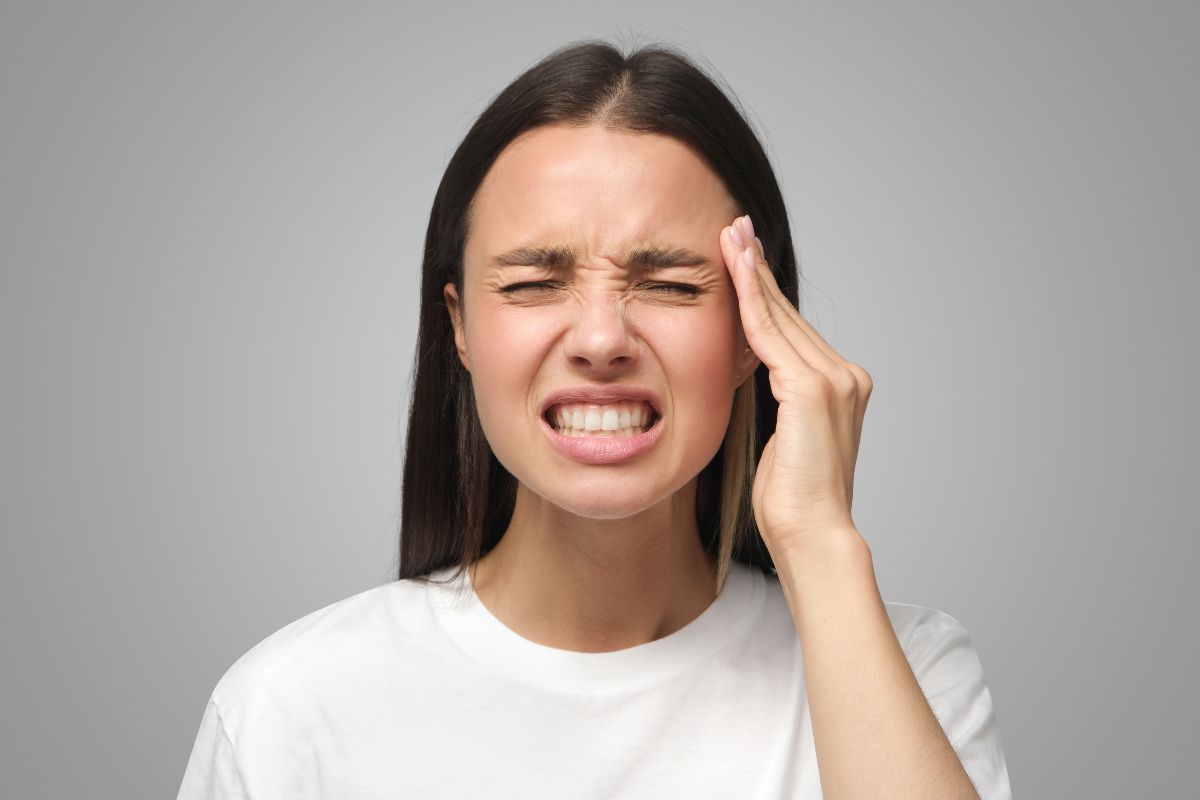
- Jaw soreness
- Headaches
- Tooth sensitivity
- Facial tension
Grinding-related pressure may make certain teeth feel sore during chewing.
4. Problems With a Filling or Crown
Dental restorations sometimes become loose, damaged, or uneven over time.
If a filling or crown no longer fits correctly, the tooth may experience extra pressure during biting.
This can lead to:
- Sharp pain
- Uneven bite pressure
- Sensitivity
- Discomfort when chewing
A dentist can evaluate whether the restoration needs adjustment or replacement.
Could Sinus Pressure Cause Tooth Pain?
Surprisingly, sinus congestion can sometimes create pressure that feels similar to tooth pain.
The upper back teeth sit close to the sinus cavities. During sinus inflammation, patients may feel:
- Pressure while biting
- Aching in upper teeth
- Facial pressure
- Nasal congestion
However, true dental pain usually requires professional evaluation to rule out oral health problems.
When Should You See a Dentist?
Occasional mild sensitivity may not always signal a serious issue, but persistent pain during chewing should not be ignored.
You should schedule a dental evaluation if:
- Pain lasts several days
- Swelling develops
- Pain worsens while chewing
- Temperature sensitivity increases
- You notice visible damage
- The tooth feels loose
Early treatment may help prevent more complicated dental problems later.
How Dentists Diagnose Biting Pain
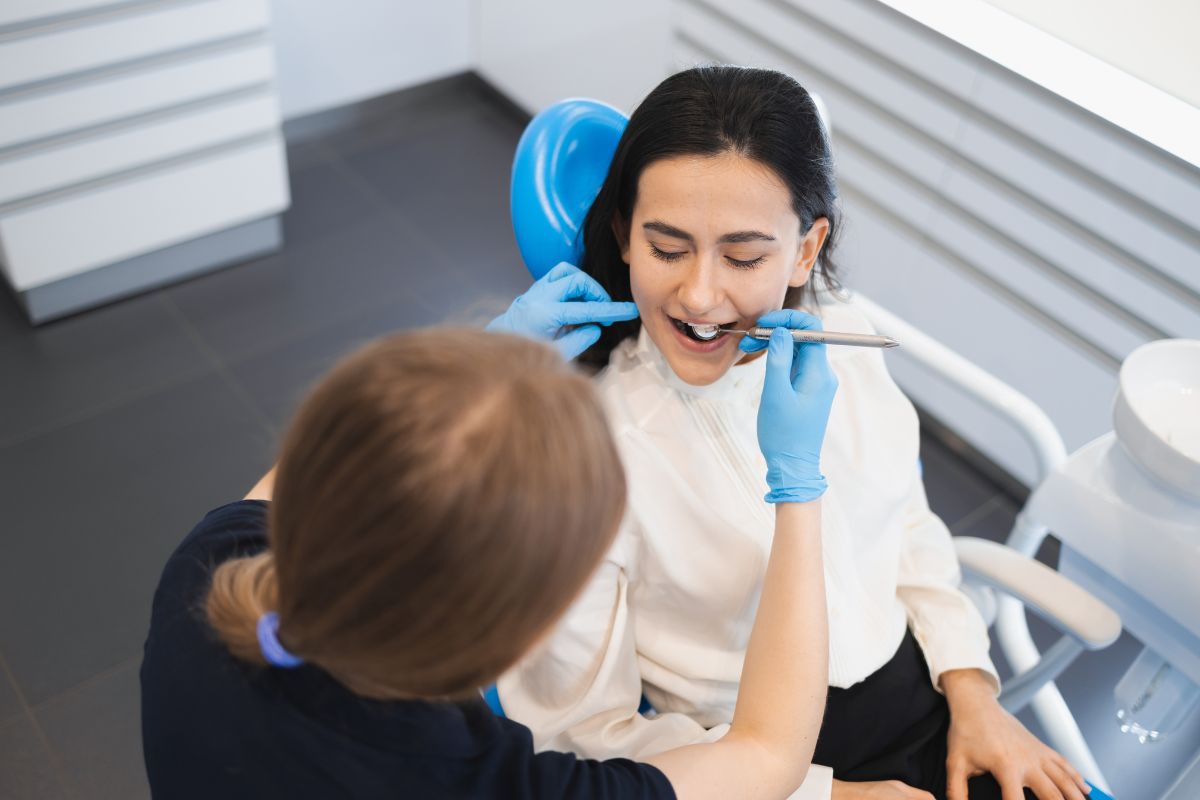
Identifying the exact cause of tooth pain often requires a detailed dental examination.
A dentist may use:
- Dental X-rays
- Bite tests
- Visual examination
- Pressure testing
- Gum evaluation
Because multiple conditions can create similar symptoms, proper diagnosis is important before treatment begins.
Treatment Depends on the Cause
Treatment recommendations vary depending on what is causing the pain.
Possible treatments may include:
- Dental fillings
- Crown placement
- Root canal therapy
- Bite adjustments
- Gum treatment
- Nightguards for grinding
- Tooth extraction in severe cases
Addressing the issue early often helps preserve the tooth and reduce discomfort faster.
Protecting Your Teeth From Future Damage
While some dental problems happen unexpectedly, healthy habits may lower the risk of future tooth pain.
Helpful preventive steps include:
- Brushing twice daily
- Flossing regularly
- Avoiding chewing ice
- Wearing sports mouthguards
- Managing teeth grinding
- Attending routine dental checkups
Preventive care often helps identify small problems before they become painful.
Throughout Artesia and surrounding New Mexico communities, many patients seek dental care only after biting pain becomes severe. Early evaluation may help prevent more extensive treatment and improve long-term oral health outcomes.
If you are experiencing pain while chewing or biting down, contact Smile Xpressions to schedule a professional dental evaluation and learn what may be causing your discomfort.
FAQs
1. Why does my tooth hurt only when I bite down?
Pain during biting may be caused by cracks, cavities, infection, gum inflammation, or bite problems.
2. Can a cracked tooth heal on its own?
No. Cracked teeth usually require professional dental treatment to prevent worsening damage.
3. Is tooth pain while chewing a dental emergency?
It can become serious if swelling, infection, or severe pain develops.
4. Can teeth grinding cause biting pain?
Yes. Grinding may place excess pressure on teeth and surrounding tissues.
5. Should I see a dentist if the pain comes and goes?
Yes. Intermittent pain may still indicate an underlying dental problem that needs evaluation.