2520 W Hermosa Dr, Artesia, NM 88210

Smoking is a habit that affects more than just your lungs—it can wreak havoc on your oral health too. For residents of Artesia, NM, understanding the connection between smoking and gum disease is key to maintaining a healthy smile. Gum disease, also known as periodontal disease, is a serious condition that can lead to tooth loss if untreated. When combined with smoking, the risks skyrocket. In this blog, we’ll explore how smoking impacts your gums, the dangers it poses, and the treatment options available locally to help you regain your oral health. Let’s dive into the facts and solutions to keep your smile shining bright.
How Smoking Contributes to Gum Disease
Smoking is one of the leading risk factors for gum disease. The chemicals in tobacco weaken your immune system, making it harder for your body to fight off infections in the gums. Nicotine also reduces blood flow to the gums, depriving them of oxygen and nutrients needed for healing. This creates a perfect environment for bacteria to thrive, leading to plaque buildup and tartar formation. Over time, this can progress from gingivitis—a mild form of gum disease with symptoms like redness and bleeding—to periodontitis, a more severe condition that damages the bone and tissue supporting your teeth. Smokers are up to six times more likely to develop gum disease than non-smokers, according to the Centers for Disease Control and Prevention (CDC).
The Specific Risks of Smoking on Gum Health
Smoking doesn’t just increase the likelihood of gum disease—it makes the condition worse. Here are some specific risks:
- Delayed Healing: Smoking slows down the body’s natural healing process, making it harder for gums to recover from inflammation or infection.
- Worsened Symptoms: Smokers often experience more severe symptoms like deep gum pockets, receding gums, and bone loss.
- Masked Warning Signs: Nicotine reduces gum bleeding, a key early sign of gum disease, which can delay diagnosis and treatment.
- Tooth Loss: Advanced gum disease in smokers often leads to tooth loss due to weakened bone support.
- Increased Infection Risk: Smokers are more prone to bacterial infections in the gums, which can spread to other parts of the mouth.
These risks highlight why quitting smoking is crucial for your oral health. However, if gum disease has already set in, seeking professional help is the next step.
Recognizing the Signs of Gum Disease in Smokers
Smokers need to be extra vigilant about gum disease symptoms since some warning signs may be less noticeable. Look out for these indicators:
- Persistent bad breath or a bad taste in your mouth.
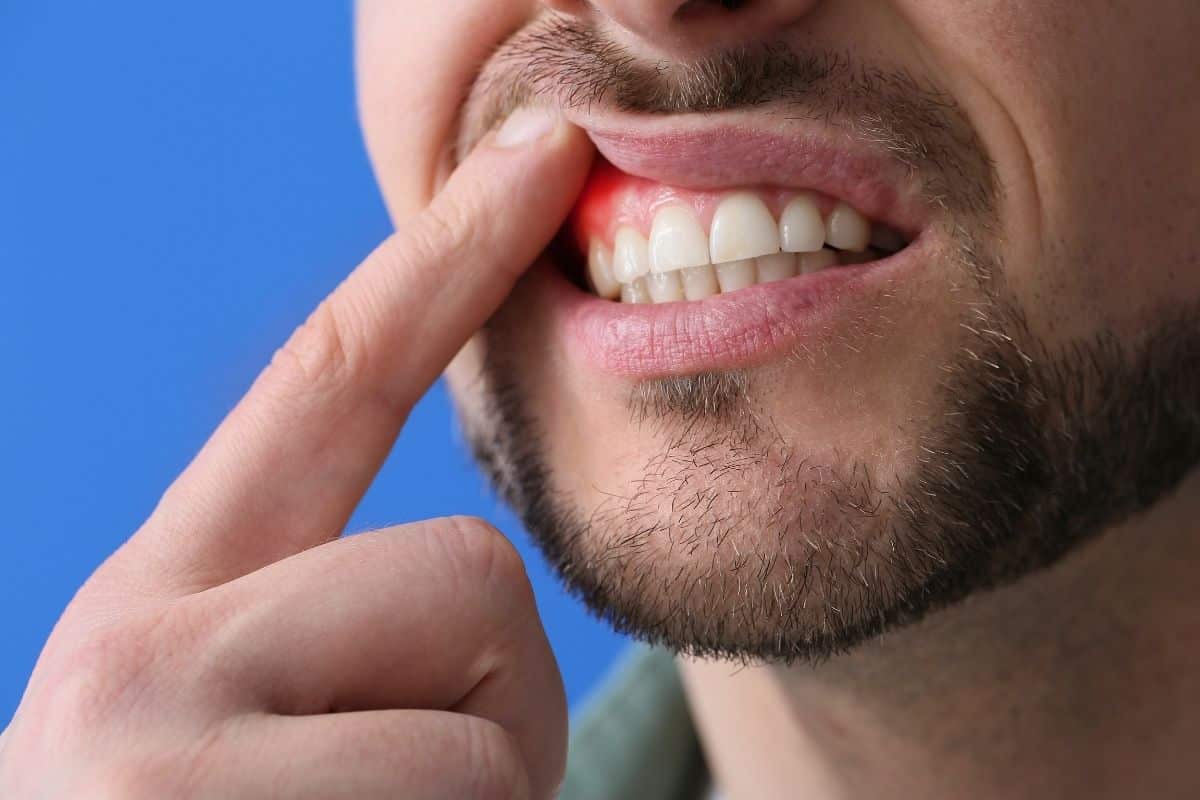
- Gums that appear red, swollen, or tender.
- Receding gums, making your teeth look longer.
- Loose or shifting teeth.
- Changes in your bite or how your teeth fit together.
If you notice any of these, don’t wait to seek help. Early detection can prevent the condition from progressing to a more severe stage.
Treatment Options for Gum Disease in Smokers
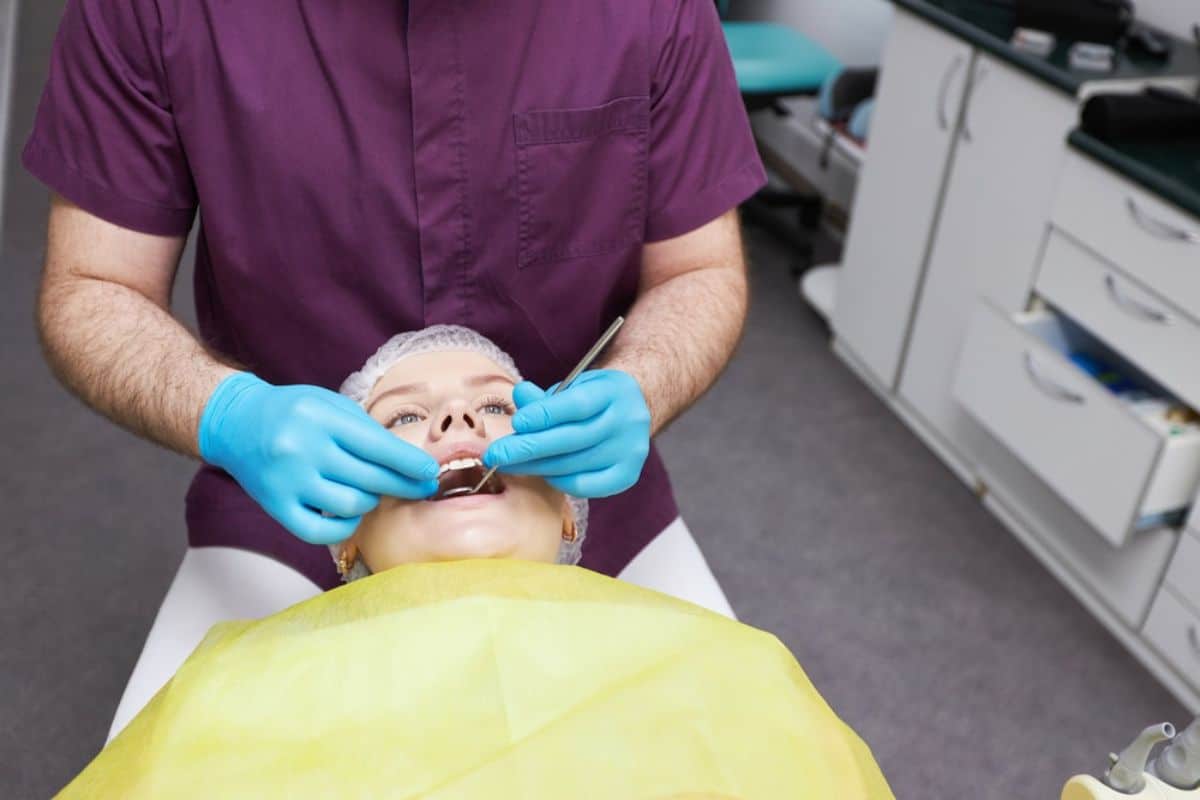
Treating gum disease in smokers can be challenging, but it’s not impossible. The first step is always to consult a dental professional who can assess the severity of your condition. For those in Artesia, periodontal treatment in Artesia, NM offers a range of solutions tailored to your needs. Non-surgical options like scaling and root planing—a deep cleaning procedure—can remove plaque and tartar from below the gumline, helping to reduce inflammation. In more advanced cases, surgical treatments such as flap surgery or bone grafting may be necessary to repair damaged tissue and bone. Additionally, quitting smoking is a critical part of the treatment plan, as it improves your body’s ability to heal and respond to therapy. Your dentist may also recommend antimicrobial mouthwashes or antibiotics to control infection.
The Role of a Periodontist in Managing Gum Disease
For smokers with gum disease, working with a specialist can make all the difference. A periodontist in Artesia, NM is a dentist with advanced training in diagnosing and treating gum-related conditions. They can provide personalized care, from non-invasive therapies to complex surgical procedures, ensuring your gums get the attention they need. These experts also offer guidance on quitting smoking, often collaborating with other healthcare providers to support your journey. Regular visits to a periodontist can help monitor your gum health, prevent further damage, and improve your overall oral wellness. If you’re in the area, scheduling a consultation with a local specialist is a proactive step toward recovery.
Lifestyle Changes to Support Gum Health
Beyond professional treatment, lifestyle changes play a big role in managing gum disease, especially for smokers. Quitting smoking is the most impactful step you can take—studies show that former smokers have better gum health outcomes than current smokers. Brushing twice a day with a soft-bristled toothbrush and flossing daily can remove plaque and prevent further buildup. Using an antiseptic mouthwash can also reduce bacteria in your mouth. Eating a balanced diet rich in vitamins C and D supports gum tissue health, while avoiding sugary snacks helps prevent plaque formation. Staying hydrated keeps your mouth moist, reducing the risk of bacterial growth. These habits, combined with professional care, can significantly improve your gum health.
Trending FAQs on Smoking and Gum Disease
Here are some frequently asked questions about smoking and gum disease, sourced from common Google searches:
- How does smoking affect gum disease? Smoking weakens your immune system, reduces blood flow to the gums, and delays healing, making gum disease more severe and harder to treat.
- Can quitting smoking reverse gum disease? Quitting can’t fully reverse advanced gum disease, but it improves healing and treatment outcomes, slowing the progression of the condition.
- What are the first signs of gum disease in smokers? Look for bad breath, receding gums, loose teeth, or changes in your bite, though reduced bleeding may mask early symptoms.
- How can I prevent gum disease if I smoke? Quit smoking, maintain good oral hygiene, eat a healthy diet, and visit your dentist regularly for cleanings and checkups.
- Does smoking cause tooth loss? Yes, smoking increases the risk of tooth loss by worsening gum disease, which can destroy the bone supporting your teeth.
These answers address common concerns, helping you understand the impact of smoking on your gums and what you can do about it.
The Importance of Early Intervention
Catching gum disease early is crucial, especially for smokers. The sooner you address the problem, the better your chances of saving your teeth and avoiding invasive treatments. Regular dental checkups can help detect issues before they become severe. For smokers, this means being proactive—don’t ignore symptoms, even if they seem minor. Working closely with your dental team and making lifestyle changes can stop gum disease in its tracks. In Artesia, local dental professionals are equipped to guide you through this process, offering the support you need to protect your smile.
Take Control of Your Gum Health Today
Your oral health is worth protecting, and understanding the link between smoking and gum disease is the first step toward a healthier smile. By recognizing the risks, seeking professional treatment, and making positive lifestyle changes, you can combat gum disease and improve your overall well-being. Whether you’re ready to quit smoking or need expert care for your gums, Artesia, NM, has the resources to help. Take action today—schedule a dental visit, commit to better habits, and prioritize your smile for a brighter, healthier future.