2520 W Hermosa Dr, Artesia, NM 88210

Dental crowns and bridges are reliable, long-lasting solutions for restoring damaged teeth or filling in gaps left by missing teeth. Whether you’re considering these restorations for the first time or seeking maintenance advice, understanding their lifespan can help you make informed decisions about your oral health. In this blog, we’ll explore how long dental crowns and bridges last, what affects their longevity, and how to take care of them.
What Are Dental Crowns and Bridges?
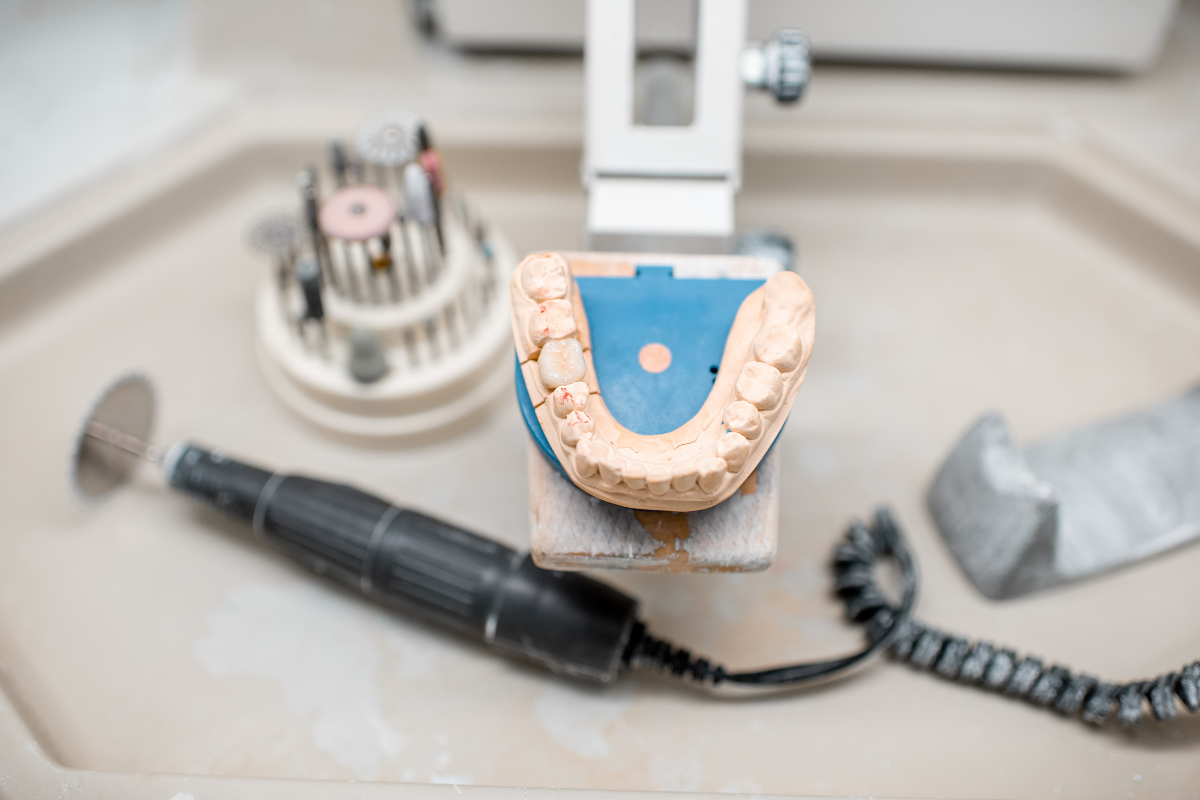
Dental crowns are custom-made caps designed to cover damaged or decayed teeth. They provide both strength and aesthetics, ensuring that the tooth looks and functions like a natural one. Crowns can be made from materials such as porcelain, ceramic, metal, or a combination of these.
Dental bridges, on the other hand, are used to replace one or more missing teeth. They are made of crowns on either side of the gap with artificial teeth in between, bridging the space and restoring your smile. Bridges are often made from porcelain, offering durability and a natural appearance.
How Long Do Dental Crowns and Bridges Last?
The lifespan of dental crowns and bridges depends on several factors, including the material used, your oral hygiene habits, and how well you maintain them. Generally, you can expect:
- Dental Crowns: On average, dental crowns can last anywhere from 10 to 15 years, and in some cases, even longer with proper care.
- Dental Bridges: Dental bridges typically last between 5 and 15 years, depending on factors like material and wear.
While these restorations are designed to be durable, it’s important to remember that they are not immune to wear and tear. They can become damaged over time due to excessive pressure, poor oral hygiene, or injury.
Factors That Affect the Lifespan of Crowns and Bridges
Several factors play a role in how long your dental crowns and bridges will last. Below are some of the key considerations:
- Material Choice: The material used for crowns and bridges affects their durability. Porcelain crowns, for example, are aesthetically pleasing and blend well with natural teeth, but they may be more prone to chipping than metal crowns. Ceramic crowns are also a popular choice for their durability and appearance, but they may require more care when chewing hard foods.
- Oral Hygiene: Maintaining good oral hygiene is essential for prolonging the life of your dental restorations. Regular brushing, flossing, and professional cleanings will help prevent decay and gum disease, which can compromise the health of the underlying tooth and the restoration itself.
- Biting and Chewing Habits: Avoiding habits such as teeth grinding or chewing on hard objects can prevent unnecessary wear on your crowns and bridges. If you grind your teeth at night, your dentist may recommend a custom night guard to protect your restorations.
- Regular Check-ups: Regular dental check-ups are essential for monitoring the condition of your crowns and bridges. Your dentist can spot any early signs of wear, damage, or decay and recommend treatment before issues become more serious.
How to Prolong the Life of Your Crowns and Bridges
To ensure that your dental crowns and bridges last as long as possible, follow these simple tips:
- Practice good oral hygiene: Brush your teeth at least twice a day with fluoride toothpaste and floss daily to remove plaque buildup.
- Avoid hard foods: Avoid biting down on hard candies, ice, or other hard objects that could damage your restoration.
- Wear a nightguard if necessary: If you grind your teeth, a nightguard can protect both your natural teeth and your dental restorations from excessive wear.
- Schedule regular dental visits: Visit your dentist regularly for professional cleanings and exams. Early detection of problems can save you time and money in the long run.
When to Replace Dental Crowns or Bridges
Although dental crowns and bridges are designed to last for many years, there may come a time when they need to be replaced. Signs that it’s time to replace your crown or bridge include:
- Visible damage or wear: Cracks, chips, or significant discoloration may indicate that your restoration is no longer serving its purpose.
- Loose or shifting restorations: If your crown or bridge feels loose or begins to shift, it may be time for a replacement.
- Pain or discomfort: Any discomfort or sensitivity in the area around your crown or bridge should be evaluated by your dentist.
Why Choose Smile Xpressions for Your Dental Needs
Visit Smile Xpressions in Artesia, we are committed to helping you maintain a healthy, beautiful smile. Our experienced team of dental professionals will work with you to determine the best solution for your dental needs, whether that involves crowns, bridges, or other restorative treatments. We pride ourselves on offering high-quality care and personalized treatment plans to ensure the longevity of your dental restorations.