2520 W Hermosa Dr, Artesia, NM 88210


That nagging toothache finally led you to the dentist, and now you’re faced with a decision: what type of filling is best for your cavity? Don’t worry, you’re not alone! With various options available, choosing the right filling material can feel overwhelming. But fret no more! This blog post will navigate you through the different types of fillings, exploring their pros and cons to help you make an informed decision. Remember, consulting with a dentist is crucial for a personalized recommendation based on your specific needs.
The Filling Lowdown: Unveiling the Options
Gone are the days of just one type of filling. Today, dentists offer a variety of materials, each with its own advantages and disadvantages. Here’s a breakdown of the most common types:
Composite Resin Fillings (Tooth-Colored):
These popular fillings are a blend of plastic and glass particles, allowing them to be matched to the shade of your natural teeth for a discreet repair. They can be used for both front and back teeth, especially for smaller cavities.
Pros:
- Aesthetically pleasing – blends seamlessly with your teeth
- Versatile – suitable for various cavity locations
- Bonds directly to tooth structure – provides added strength
Cons:
- May require more than one appointment
- Can chip or wear down over time, requiring replacement
Amalgam Fillings (Silver Fillings):
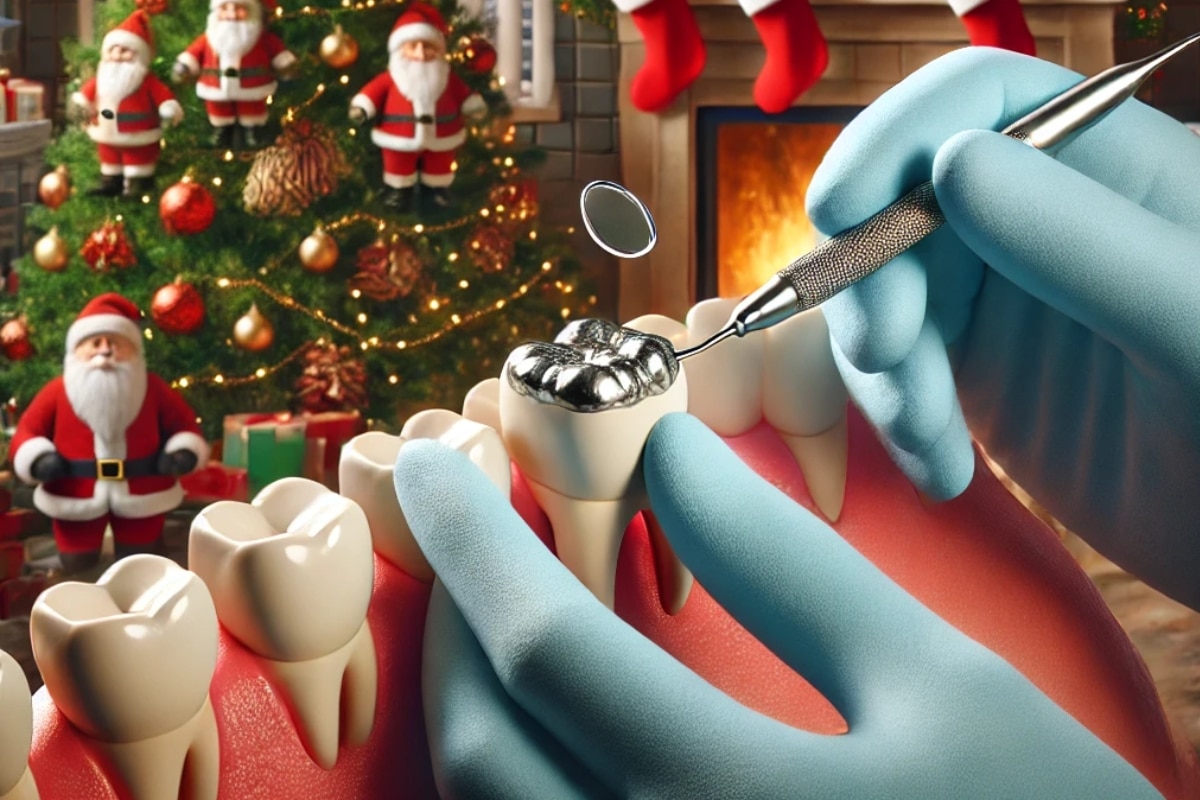
These traditional fillings have been around for decades and are known for their durability and affordability. They are a mixture of metals, including mercury, silver, tin, and copper.
Pros:
- Strong and long-lasting – can withstand strong chewing forces
- Affordable – typically the most cost-effective option
- Can be placed in a single appointment
Cons:
-
Dark, metallic color – noticeable, especially in front teeth
- Can expand and contract with temperature changes, potentially causing stress on the tooth
Glass Ionomer Fillings:
These fillings are made of acrylic and glass, releasing fluoride to help strengthen your tooth and prevent further decay. They are often used for children’s teeth or fillings near the gumline.
Pros:
- Releases fluoride – promotes tooth health
- Bonds well to tooth structure, especially near the gum line
Cons:
-
Not as strong as other materials – may not be suitable for large cavities
- Can wear down over time and lose fluoride-release properties
Gold Fillings:
These luxurious fillings are crafted from a blend of gold and other metals. While expensive, they are incredibly durable and can last for decades.
Pros:
- Exceptional longevity – can last 20-30 years or more
- Biocompatible – unlikely to cause allergic reactions
- Very strong – ideal for large cavities or teeth under heavy pressure
Cons:
- The most expensive filling option
- The gold color is highly visible
Indirect Fillings (Inlays & Onlays):
For larger cavities or teeth with significant damage, indirect fillings offer a more substantial solution. These fillings are custom-made in a dental lab from porcelain or gold and bonded to the tooth in a subsequent appointment.
Pros:
- Extremely strong and durable – ideal for extensive damage
- Precise fit – excellent for restoring tooth shape and function
- Long-lasting – can last for 10-15 years or more
- Aesthetically pleasing – available in tooth-colored porcelain
Cons:
- Requires multiple appointments
- More expensive than traditional fillings
Beyond the Material: Factors to Consider When Choosing a Filling
While material type plays a crucial role, several other factors should be considered during your consultation with your dentist:
-
Location and Size of the Cavity: The size and position of the cavity influence the best type of filling. For example, front teeth may benefit more from a tooth-colored option, while back teeth may require a stronger material.
-
Durability: Consider how long you’d like the filling to last. If longevity is a priority, gold or porcelain fillings might be a better choice.
-
Cost: Dental insurance often covers a portion of the filling cost. Discuss options with your dentist that fit your budget.
-
Cosmetics: If aesthetics is a concern, prioritize tooth-colored materials like composite resin or porcelain.
The Final Verdict: A Collaborative Decision
Ultimately, choosing the perfect filling material is a collaborative decision between you and your dentist. By understanding the various options and discussing your individual needs and preferences, you can arrive at the best solution for achieving a healthy, functional, and beautiful smile.
At Smile Xpressions, we are dedicated to providing exceptional dental care and helping you make informed decisions.
To Know Which Dental Fillings in Artesia are best for you Schedule a Consultation with a dentist at Smile Xpressions.