2520 W Hermosa Dr, Artesia, NM 88210

Missing teeth aren’t just a cosmetic concern; they can trigger various oral and health issues affecting your daily life. Tooth loss can result from various factors, including aging, trauma, poor oral hygiene, gum disease, and genetics. The impact of losing teeth goes beyond affecting your smile—it can disrupt your mouth’s function, harm your overall health, and even undermine your confidence.
In this blog, we’ll explore the problems caused by teeth loss and discuss the professional treatments available to solve them, helping you restore your oral health and smile.
What Are the Potential Complications of Tooth Loss?
Difficulty in Chewing and Eating
Missing teeth can significantly affect one’s ability to chew and eat food properly. When teeth are lost, the chewing force is distributed unevenly. This leads to difficulty eating certain foods, particularly those that are hard or chewy. This can result in digestive problems, as food may not be broken down adequately before being swallowed.
Shifting of Remaining Teeth
When a tooth is lost, the surrounding teeth can shift or drift into the gap over time. This shift can lead to misalignment, altering the bite and causing further oral issues. Misaligned teeth can lead to various problems, including difficulty in speaking chewing, and an increased risk of tooth wear due to an improper bite.
Bone Loss and Deterioration
One of the long-term consequences of missing teeth is bone loss. The jawbone relies on the pressure exerted by the teeth to maintain its density. When a tooth is lost, the bone beneath it starts deteriorating. Over time, this bone loss can alter the facial structure, causing a sunken appearance. It also makes it more challenging to place restorations like implants, as adequate bone density is required for proper placement.
Gum Disease and Oral Infections
Empty spaces in the mouth where teeth are missing create pockets that can trap food particles and bacteria. These areas are more difficult to clean and more prone to infection. If left untreated, the bacteria can spread, leading to gum disease and further complications in the surrounding teeth and tissues. Oral infections can also affect overall health, potentially leading to systemic issues such as heart disease or diabetes.
Decreased Self-Esteem and Confidence
Aside from the functional issues, edentulism can have a significant psychological impact. People with visible gaps may feel self-conscious about their appearance, avoid social situations, smile, or speak confidently. This can affect one’s mental health and overall well-being, making it crucial to address both the functional and emotional impact of tooth loss.
Speech Impairment
Teeth play an essential role in speech clarity, particularly for sounds like “S” and “T.” Missing teeth can affect the pronunciation of these sounds, leading to speech impairments. This issue may make it difficult to communicate and affect one’s social interactions and professional life.
What Are The Best Procedures For Replacing A Missing Tooth?
Fortunately, several advanced and professional treatments are available to address the problems caused by tooth loss. These solutions can restore both your mouth’s functionality and your smile’s aesthetics.
Dental Implants
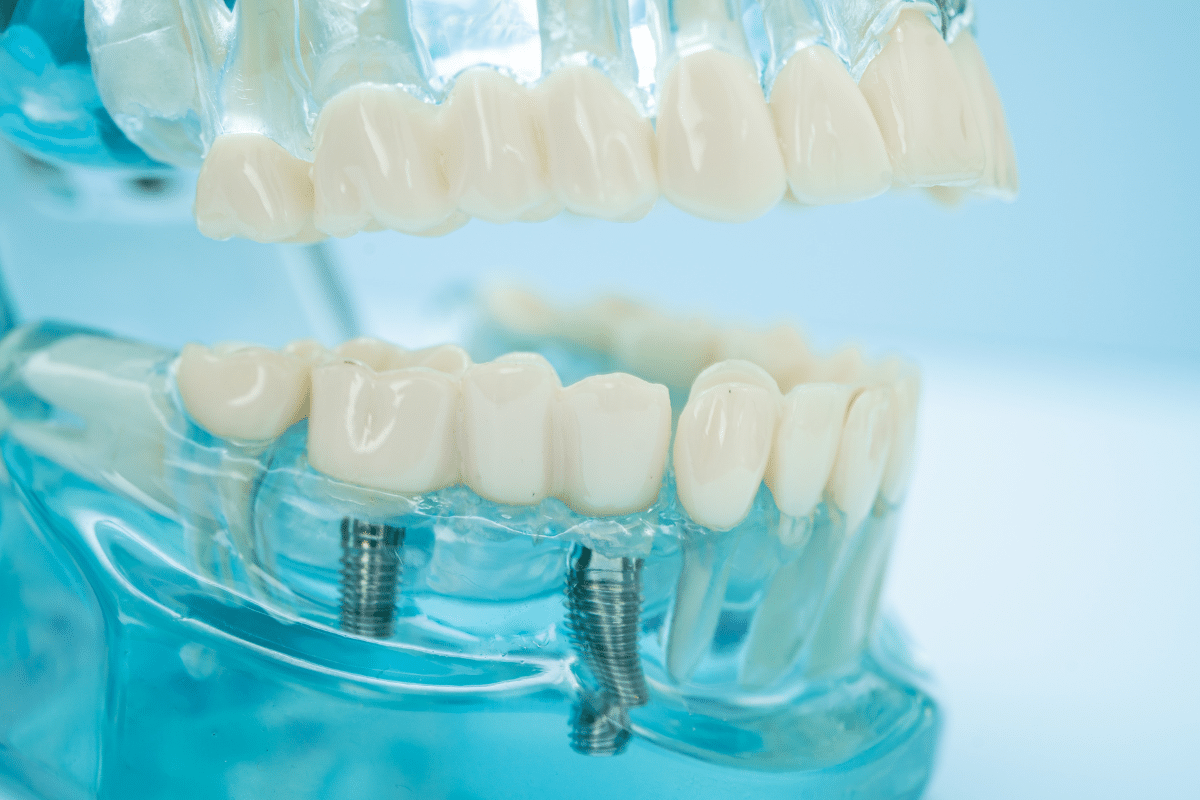
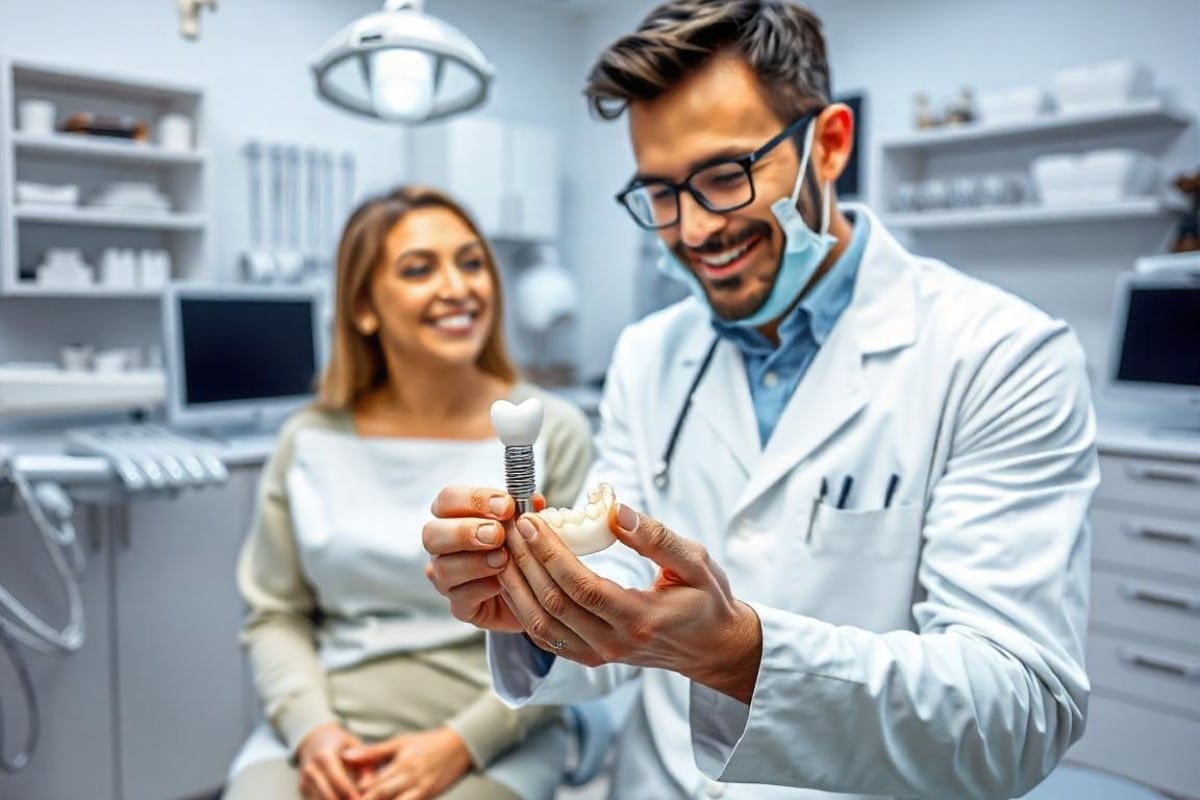
Dental implants are one of the most dependable and durable ways to replace lost teeth. An implant is a titanium post surgically inserted into the mandible as a crown’s root substitute. The implant integrates with the bone, providing stability and strength comparable to natural teeth. This option not only restores the function of your teeth but also prevents bone loss, as the implant stimulates the bone just like a natural tooth root.
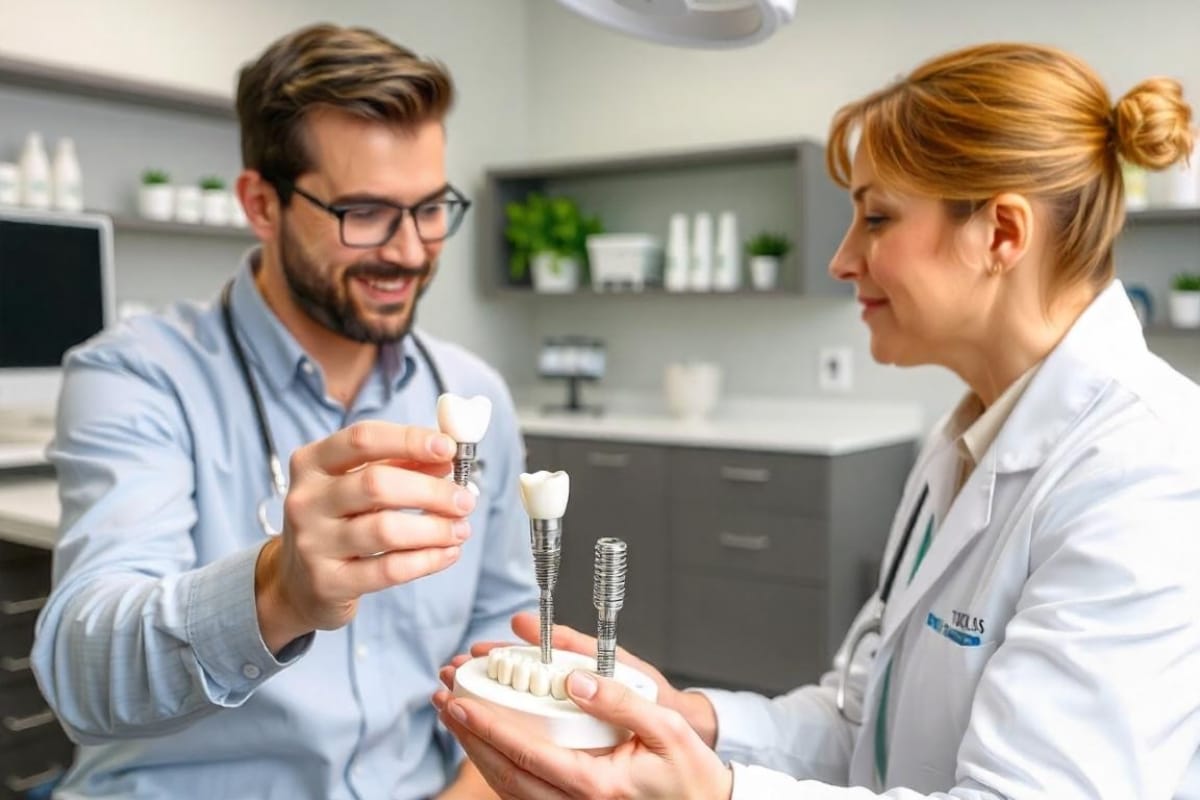
For individuals considering dental implants in Artesia; a dentist ensures precise implant placement, promoting optimal integration with the jawbone and minimizing the risk of future oral health complications.
Dentures
Dentures are removable appliances that can replace missing teeth. Full dentures are suggested when all the teeth in the upper or lower jaw are lost, while partial dentures are used when a few teeth are missing. These dental prosthetics can restore chewing and speaking abilities but are not as permanent or comfortable as implants.
Veneers
Veneers are thin, customized shells made with tooth-colored material placed over the front of damaged or missing teeth. While primarily used for aesthetic improvements, they can also help address minor gaps or irregularities in your smile. Veneers provide a quick and effective solution for those who want to improve their smile without more invasive procedures.
Dental Bridges
A dental bridge is a fixed appliance that fills the gap a missing tooth or teeth leaves. Bridges use the adjacent teeth for support, with a false tooth anchored between them to restore function and appearance. They are a good option for those who do not qualify for implants due to bone loss or other factors.
Missing teeth are a cosmetic concern and can cause significant oral and overall health problems. They can affect your ability to eat and speak and even alter the structure of your jaw over time. Fortunately, modern dentistry offers effective solutions such as dental implants, dentures, veneers, and dental bridges to restore function and aesthetics.
If you are struggling with the consequences of missing teeth, a dentist can help you find the proper treatment for your unique needs. Smile Xpressions guides you through your options and enables you to achieve a healthy, confident smile. Don’t wait—schedule a consultation today to restore your smile and improve your quality of life.