2520 W Hermosa Dr, Artesia, NM 88210

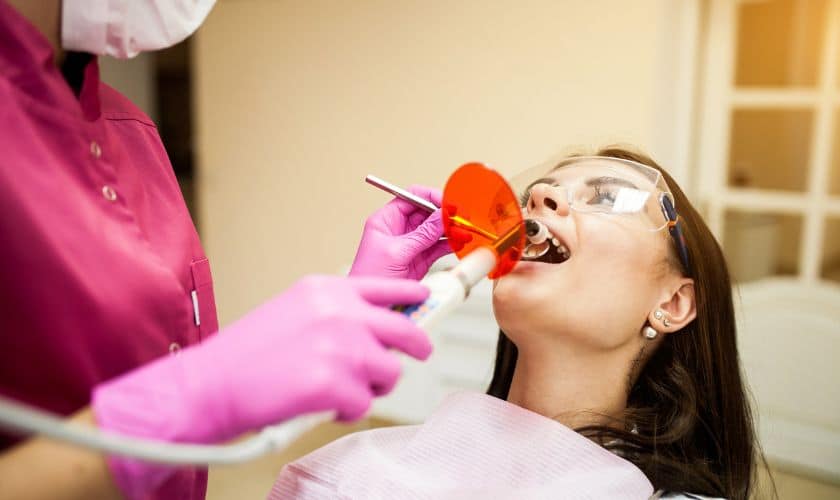
Are you dreading the thought of a root canal treatment? We understand that it can be an intimidating experience. However, with the right pain management and recovery techniques, you can make this procedure more bearable. In this blog post, we will discuss everything you need to know about pain management and recovery after root canal treatment. So sit back, relax, and let us guide you through this process!
Root Canal Treatment
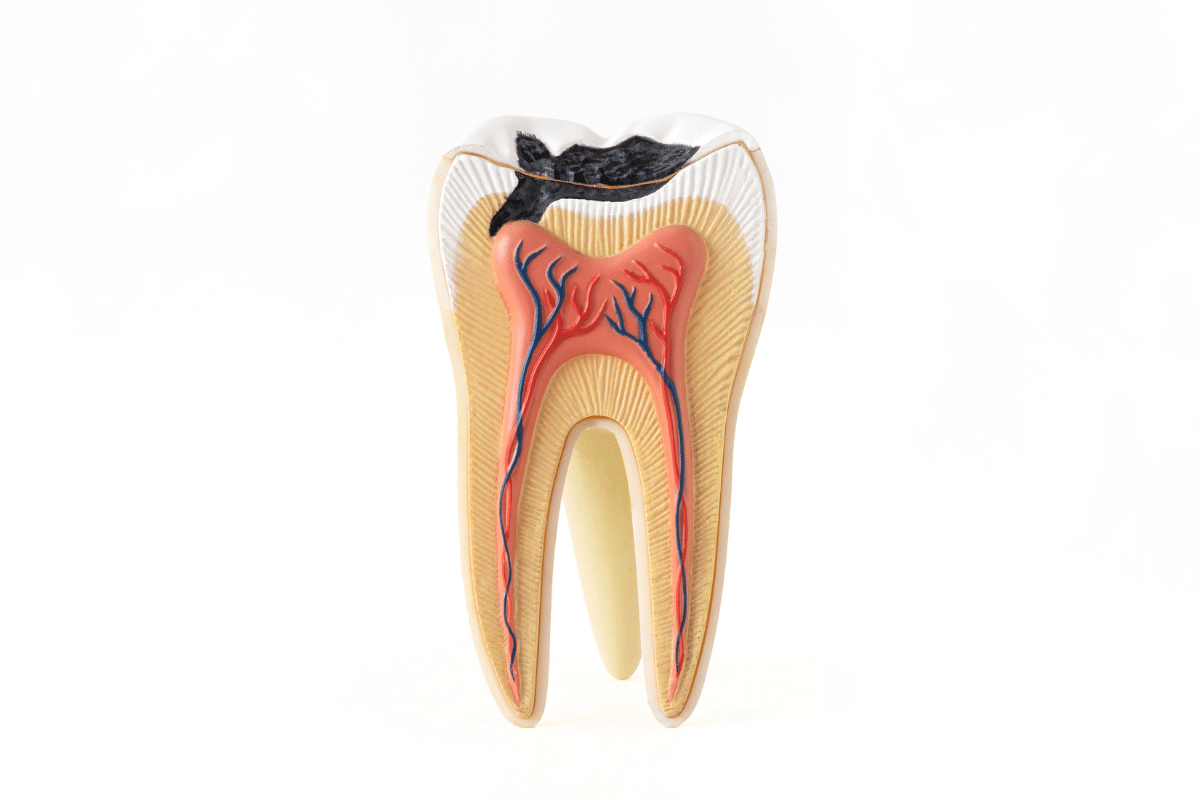
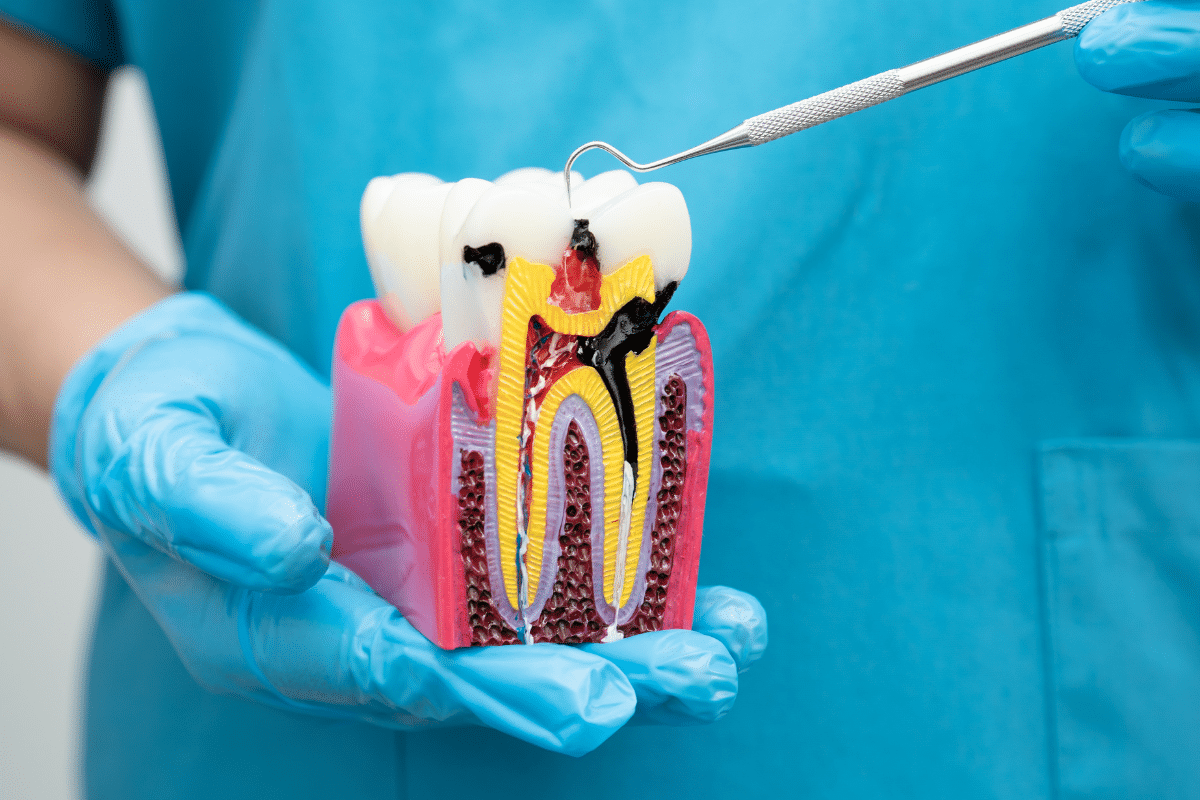
Root canal treatment is a dental procedure that involves removing the infected or damaged pulp from inside your tooth. This may sound daunting, but it’s actually a relatively common and highly effective way of saving an otherwise irreparably damaged tooth.
During the root canal procedure, your dentist will numb the affected area with local anesthesia to ensure you don’t feel any pain. They’ll then make a small hole in your tooth and use special tools to remove the infected or inflamed pulp from within the root canals.
Once all of the diseased tissue has been removed, your dentist will clean out and shape the canals before filling them with a rubber-like material called gutta-percha. They’ll seal up the opening in your tooth to prevent further infection or damage.
Despite its reputation for being painful, most people report only mild discomfort during and after their root canal treatment. With proper care during recovery, you should be back to normal in no time!
Pain Management
One of the main concerns for patients undergoing root canal treatment is pain management. It’s important to note that while you may experience some discomfort during and after the procedure, your endodontist will take steps to minimize any pain.
Before beginning the procedure, local anesthesia will be administered to numb the affected area. This will alleviate any potential pain or discomfort felt during the actual root canal treatment.
Afterwards, over-the-counter pain relievers such as ibuprofen can help reduce inflammation and discomfort. It’s important to follow dosage instructions carefully and consult with your dentist before taking any medication.
In some cases, your endodontist may prescribe a stronger pain medication if necessary. However, this is typically only recommended for severe cases where OTC options aren’t effective enough.
It’s important to communicate openly with your dentist about any pain or discomfort you feel throughout the process. They can work with you to ensure minimal discomfort and provide additional guidance on managing post-procedure soreness.
Recovery After Root Canal Treatment
Recovery after root canal treatment is an important aspect of the overall process. After receiving a root canal, it’s likely that your tooth will be tender and sore for a few days. This discomfort can usually be managed with over-the-counter pain relievers like ibuprofen or acetaminophen.
It’s also important to avoid chewing on the treated tooth until any temporary filling has been replaced with a permanent one. This will help prevent further damage and allow the tooth to heal properly.
In some cases, your dentist may prescribe antibiotics if they suspect an infection or if you have medical conditions that make infections more likely. It’s important to take these medications as directed and finish the full course even if you start feeling better before they’re gone.
You should also continue brushing and flossing as usual but be gentle around the treated area until it has fully healed. And don’t forget to attend all follow-up appointments with your dentist so they can monitor your progress and ensure everything is healing correctly.
Recovery after root canal treatment varies from person to person but following these tips should help ensure a smooth recovery process.
The Bottom Line
Root canal treatment may seem daunting, but it is a necessary procedure that can save your natural tooth. While the process itself may cause some discomfort and pain, there are various ways to manage these symptoms effectively. It’s also crucial to remember that recovery after root canal treatment takes time and proper care of your teeth. By following the tips we’ve provided in this article, you can ensure a smooth and successful recovery.
Remember to always consult with your dentist if you have any concerns or questions about the procedure or recovery process. With their guidance and support along with our advice on pain management techniques and post-treatment care tips here, you’ll be well on your way to healing successfully from root canal therapy!