2520 W Hermosa Dr, Artesia, NM 88210

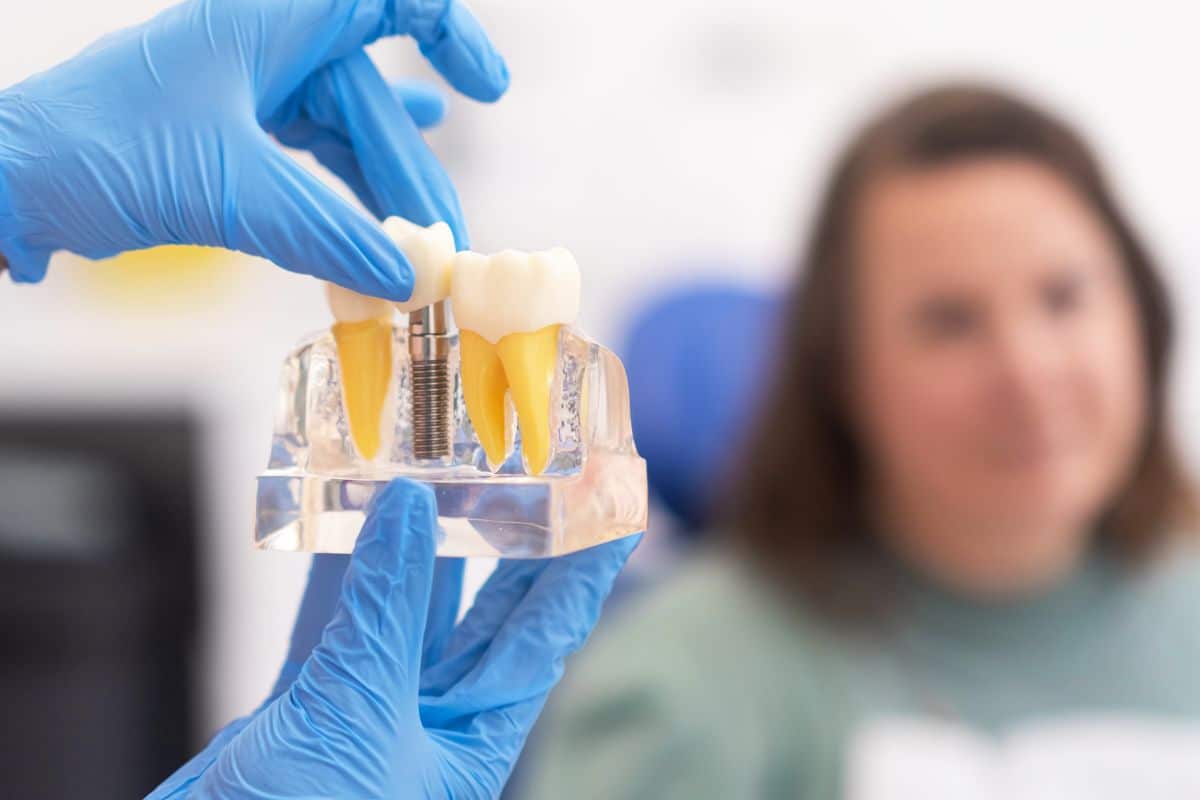
Dental implants offer a life-changing solution for replacing missing teeth, restoring smiles, and boosting confidence. They’re designed to look, feel, and function like natural teeth, making them a popular choice for many. However, a common concern lingers: can dental implants get infected? The short answer is yes, but with proper care, the risk is low. Let’s dive into what infections look like, how they happen, and how you can protect your implants for a healthy, lasting smile.
Understanding Dental Implant Infections
Dental implants, like natural teeth, can develop infections if not properly maintained. The most common infection is called peri-implantitis, a condition where bacteria cause inflammation in the gums and bone surrounding the implant. If untreated, it can lead to bone loss and even implant failure. Another milder form, peri-implant mucositis, affects only the soft tissues, like gums, and is often reversible with early intervention.
Infections typically arise from bacteria buildup, often due to poor oral hygiene, smoking, or underlying health conditions like diabetes. Recognizing the signs early and taking action can save your implant and keep your smile intact.
Signs Your Dental Implant May Be Infected
Spotting an infection early is key to preventing complications. Here are some warning signs to watch for:
-
Persistent Pain: Mild discomfort after surgery is normal, but ongoing or worsening pain could signal an issue.
-
Swollen or Red Gums: Inflammation or tenderness around the implant site often points to infection.
-
Bad Breath or Taste: A lingering bad taste or odor, even after brushing, may indicate bacterial buildup.
-
Pus or Discharge: Any oozing or pus around the implant is a red flag that needs immediate attention.
-
Loose Implant: A wobbly implant may suggest bone loss due to infection.
If you notice any of these symptoms, contact your dentist right away. Early action can often resolve the issue without drastic measures.
What Causes Dental Implant Infections?
Several factors can contribute to infections around dental implants in Artesia, NM. Poor oral hygiene is a leading cause, as plaque and bacteria can accumulate around the implant, just like natural teeth. Smoking and heavy alcohol use also increase the risk by slowing healing and weakening the immune system. Conditions like diabetes or gum disease can further complicate recovery, making it easier for infections to take hold.
Sometimes, the issue stems from the surgical process itself. If the implant isn’t placed correctly or if residual cement is left behind, it can create a breeding ground for bacteria. That’s why choosing an experienced implant dentist in Artesia is critical for a successful outcome. Following post-surgery instructions closely also plays a huge role in keeping infections at bay.
How to Prevent Dental Implant Infections
Prevention is your best defense against implant infections. Here are practical steps to keep your implants healthy:
-
Practice Excellent Oral Hygiene: Brush twice daily with a soft-bristle toothbrush and floss carefully around the implant. An antibacterial mouthwash can help reduce bacteria.
-
Quit Smoking: Tobacco slows healing and increases infection risk. Quitting before and after surgery boosts your chances of success.
-
Follow Post-Surgery Instructions: Stick to your dentist’s guidelines, including taking prescribed antibiotics and avoiding hard or sticky foods during recovery.
-
Attend Regular Checkups: Routine dental visits allow your dentist to monitor your implants and catch issues early.
-
Manage Health Conditions: Keep conditions like diabetes under control to support healing and reduce infection risk.
By staying proactive, you can significantly lower the chances of complications and enjoy your implants for years.
Trending FAQs on Dental Implant Infections
Here are answers to some frequently asked questions about dental implant infections, based on what people are searching for:
-
Can a dental implant infection go away on its own?
No, infections won’t resolve without treatment. Ignoring symptoms can lead to bone loss or implant failure. See your dentist promptly. -
How is a dental implant infection diagnosed?
Dentists use X-rays to check for bone loss and probe the implant area for inflammation, bleeding, or pus. Early diagnosis improves outcomes. -
What treatments are available for implant infections?
Mild infections may respond to antibiotics or deep cleaning. Severe cases might require surgical intervention to clean the implant or, in rare cases, remove it. -
How common are dental implant infections?
Infections are uncommon with proper care, affecting less than 10% of patients. Good hygiene and regular checkups keep risks low. -
Can I get a new implant after an infection?
Yes, once the infection is cleared and the area heals, many patients can receive a new implant. Your dentist will assess your case.
These answers address common concerns and empower you to take charge of your implant health.
Treatment Options for Infected Dental Implants
If an infection does occur, don’t panic—many cases are treatable. For mild infections like peri-implant mucositis, your dentist may prescribe antibiotics or recommend a deep cleaning to remove bacteria. More severe cases, like peri-implantitis, might require surgical intervention to clean the implant surface and restore healthy tissue. In rare instances, if bone loss is significant, the implant may need to be removed, but a new one can often be placed after healing.
Early detection is crucial. Regular dental checkups and X-rays help catch problems before they escalate. Working with a skilled dentist ensures you get the right treatment to save your implant.
Why Early Action Matters
Ignoring signs of infection can lead to serious consequences, like bone loss or implant failure. Peri-implantitis, in particular, can progress silently, as it often causes no pain in its early stages. By the time symptoms like a loose implant appear, significant damage may have occurred. That’s why routine checkups and prompt action at the first sign of trouble are essential.
Your dentist can use tools like X-rays and gentle probing to assess the implant’s health and recommend the best course of action. Acting quickly can mean the difference between saving your implant and needing more complex treatment.
Keeping Your Smile Healthy for Life
Dental implants are a fantastic investment in your smile, but they require care and attention to stay infection-free. By maintaining good oral hygiene, avoiding harmful habits like smoking, and staying vigilant for warning signs, you can protect your implants and enjoy a confident smile for years. If you’re considering implants or have concerns about existing ones, trust an experienced implant dentist in Artesia at Smile Xpressions. Schedule an appointment today by calling (575) 746-1900 to ensure your implants remain a healthy, lasting part of your smile.