2520 W Hermosa Dr, Artesia, NM 88210

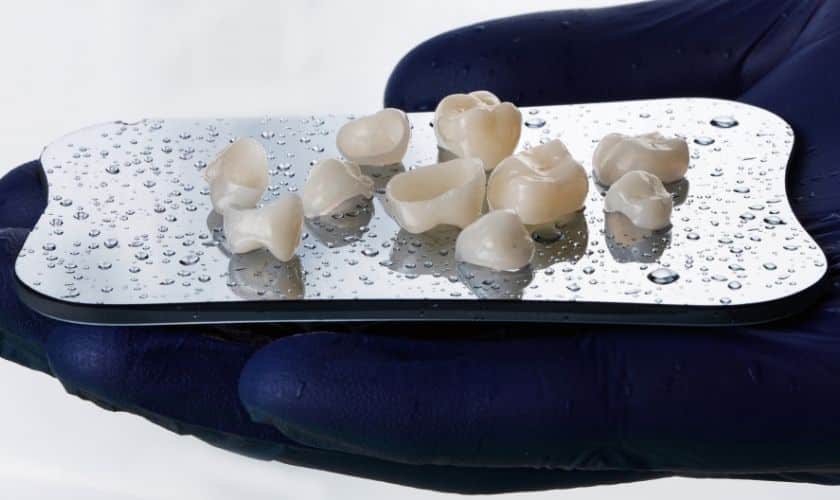
Dental crowns, often referred to as “caps,” are tooth-shaped restorations placed over damaged or weakened teeth to restore their function and appearance. They offer a durable solution for various dental concerns. However, a common misconception exists: crowns completely protect the underlying tooth from decay. This blog post from Smile Xpressions sheds light on this concern, exploring the possibility of tooth decay under a crown and guiding you toward maintaining optimal oral health in Artesia.
Understanding Dental Crowns
Dental crowns are versatile restorations used to address a variety of situations:
Severe Tooth Decay: When a cavity is too large for a filling, a crown encases the entire tooth structure, protecting it from further damage and decay.
Cracked or Fractured Teeth: Crowns provide structural support to prevent further cracks and potential tooth loss.
Root Canals: A crown protects the weakened tooth structure, Following a root canal.
Cosmetic Enhancement: Crowns can improve the appearance of misshapen or discolored teeth.
While crowns offer significant benefits, it’s crucial to understand that they don’t create an impenetrable seal around the tooth.
The Unseen Threat: How Tooth Decay Can Occur Under a Crown
Tooth decay under a crown, though less common than in exposed teeth, is a very real possibility. Here’s how it happens:
Pre-Existing Decay: If a tooth with existing decay receives a crown, the decay can continue to progress underneath the crown, hidden from view.
Improper Crown Fit: A crown that doesn’t fit perfectly around the tooth allows bacteria to seep under the crown margin, leading to decay.
Poor Oral Hygiene: Inadequate brushing and flossing allows plaque buildup around the crown’s base, creating an environment for decay-causing bacteria.
Gum Recession: Over time, receding gums can expose the tooth root underneath the crown, making it more susceptible to decay.
Signs and Symptoms of Decay Under a Crown
Early detection is crucial to prevent complications. Here are some signs that might indicate decay under a crown:
Tooth Sensitivity: Increased sensitivity to hot, cold, or sweet foods and beverages can signal underlying decay.
Pain or Discomfort: Persistent pain or discomfort around a crowned tooth could be a cause for concern.
Gum Inflammation: Inflamed, swollen, or tender gums near a crowned tooth might indicate decay or infection.
Visible Gaps: A visible gap between the crown and the gum line can allow bacteria to enter and contribute to decay.
Protecting Your Crowned Teeth and Maintaining Oral Health in Artesia
Here’s how you can minimize the risk of decay under a crown and maintain optimal oral health:
Maintain Excellent Oral Hygiene: Brush your teeth twice a day for two minutes each time and floss daily to remove plaque and bacteria from around the crown and gum line.
Schedule Regular Dental Checkups: Regular dental checkups and cleanings allow your dentist in Artesia to detect decay at its earliest stage and take necessary action before it progresses.
Pay Attention to Warning Signs: Be mindful of any pain, sensitivity, or changes in the crowned tooth or surrounding gums.
Consider Nightguards: If you grind your teeth at night, a nightguard can protect your crowns and natural teeth from damage.
Seeking Treatment for Decay Under a Crown in Artesia
If you suspect decay under a crown, don’t hesitate to seek professional help. Early treatment can prevent further damage and potentially save the tooth. At Smile Xpressions, our experienced dentists utilize advanced diagnostic tools and techniques to identify decay under a crown accurately. We offer personalized treatment plans to address the decay and restore the health of your tooth.
Conclusion
Dental crowns are valuable tools for restoring and protecting teeth. However, they don’t guarantee immunity from decay. Maintaining excellent oral hygiene, attending regular dental checkups, and being mindful of warning signs are key to keeping your crowned teeth healthy and preventing hidden decay. At Smile Xpressions, we are committed to providing comprehensive dental care, including crown placement and monitoring the health of your restored teeth. Schedule an appointment with us today to discuss your dental needs and ensure a radiant, healthy smile.