2520 W Hermosa Dr, Artesia, NM 88210


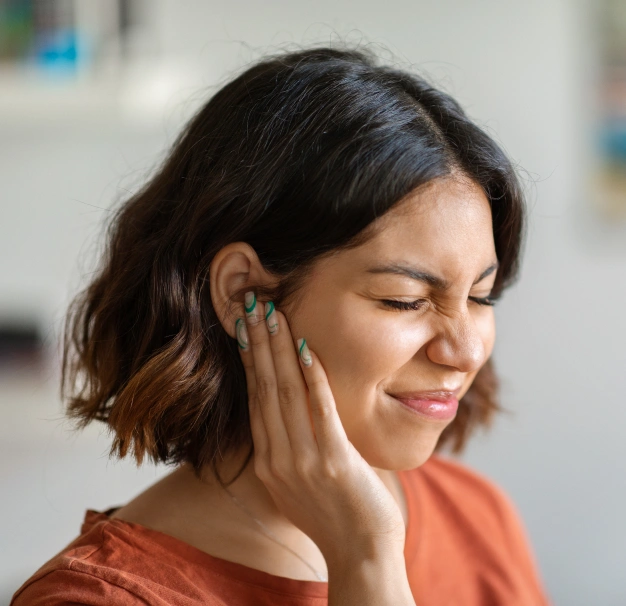
Relief from Jaw Pain, Without Surgery
Living with TMJ disorder can mean constant jaw tension, frequent headaches and discomfort that affects everyday activities like eating and speaking. At Smile Xpressions Family Dentistry, we offer Botox as a non-surgical treatment option for patients throughout Artesia dealing with TMJ related pain, providing meaningful relief without the need for invasive procedures.
While many people associate Botox with cosmetic treatment, it has become an increasingly trusted option in dentistry for relaxing the overactive jaw muscles that contribute to TMJ disorder, offering patients a simple, in office solution to a often frustrating, long standing problem.
Schedule a TMJ Consultation
What Is TMJ Disorder?
Temporomandibular joint disorder, commonly referred to as TMJ or TMD, affects the joint connecting your jawbone to your skull, along with the surrounding muscles responsible for chewing and jaw movement. When these muscles become overworked or the joint becomes strained, it can lead to a range of uncomfortable symptoms that affect daily life.
Common causes of TMJ disorder include chronic teeth grinding or clenching, jaw misalignment, stress related muscle tension, and injury to the jaw joint. Because the muscles involved connect to areas throughout the head and neck, TMJ disorder can create discomfort that extends well beyond the jaw itself.
How Botox Helps Relieve TMJ Symptoms
Botox works by temporarily relaxing the overactive muscles involved in jaw clenching and teeth grinding, the same muscles that often become fatigued and strained in patients with TMJ disorder. By reducing the intensity of these muscle contractions, Botox can help ease tension, reduce pain and allow the jaw joint a chance to rest and recover.
This treatment is injected directly into specific jaw muscles during a quick, in office appointment, with results typically noticeable within a few days and lasting for several months at a time.
What to Expect During Treatment
Botox for TMJ is a quick, straightforward procedure performed right in our Artesia office. Here is what your visit typically looks like.
Consultation and Evaluation
Our team reviews your symptoms, jaw function and dental history to confirm Botox is an appropriate option for your TMJ concerns.
1
Identifying Injection Sites
The specific jaw muscles contributing to your symptoms are identified and marked to guide precise treatment.
2
Botox Injections
Small, targeted injections are administered directly into the identified jaw muscles, a process that typically takes just a few minutes.
3
Minimal Downtime
Most patients are able to resume normal activities immediately after treatment, with only minor, temporary soreness at the injection sites.
4
Follow Up as Needed
We monitor your response to treatment and schedule follow up appointments as needed to maintain your results over time.
5
Common Symptoms of TMJ Disorder
Many patients living with TMJ disorder do not realize their symptoms are connected to their jaw joint. Common signs include:
- Chronic jaw pain or soreness, especially in the morning
- Frequent headaches or migraines
- Clicking, popping or grinding sounds when opening or closing the mouth
- Difficulty fully opening the mouth
- Jaw locking or getting stuck in an open or closed position
- Pain that radiates to the neck, shoulders or ears
- Worn, flattened or chipped teeth from chronic grinding
If these symptoms sound familiar, a consultation with our team can help determine whether Botox or another TMJ treatment approach may offer relief.
Am I a Candidate for Botox for TMJ?
Botox for TMJ is often recommended for patients experiencing chronic jaw pain, headaches or teeth grinding that has not responded well to other conservative treatments, like a nightguard or lifestyle changes. It can be a particularly helpful option for patients who want to avoid more invasive treatment or who are looking for additional relief alongside other TMJ management strategies. Our dentist will evaluate your symptoms, jaw function and history to determine if Botox is an appropriate treatment for your specific case.
Find Lasting Relief From TMJ Discomfort
Living with chronic jaw pain and headaches does not have to be your normal. Botox for TMJ offers a simple, effective way to ease tension and discomfort, helping you get back to daily life without the constant distraction of jaw pain. Our team at Smile Xpressions is here to help determine if this treatment is the right fit for you.
Request a TMJ Consultation