2520 W Hermosa Dr, Artesia, NM 88210

Many people try to ignore tooth pain for as long as possible. Some hope the discomfort will disappear after a few days, while others rely on pain relievers to temporarily manage symptoms. Unfortunately, when pain begins inside a tooth, it often means the problem has already progressed beyond a simple cavity.
A root canal is one of the most common procedures used to save a tooth that has become infected or severely inflamed. The treatment removes damaged tissue from inside the tooth, helping prevent the infection from spreading further. While the phrase “root canal” often sounds intimidating, delaying treatment is usually what creates more serious complications.
For patients in Artesia, New Mexico, recognizing early warning signs can help prevent severe pain, swelling, and possible tooth loss later.
What Causes the Need for a Root Canal?
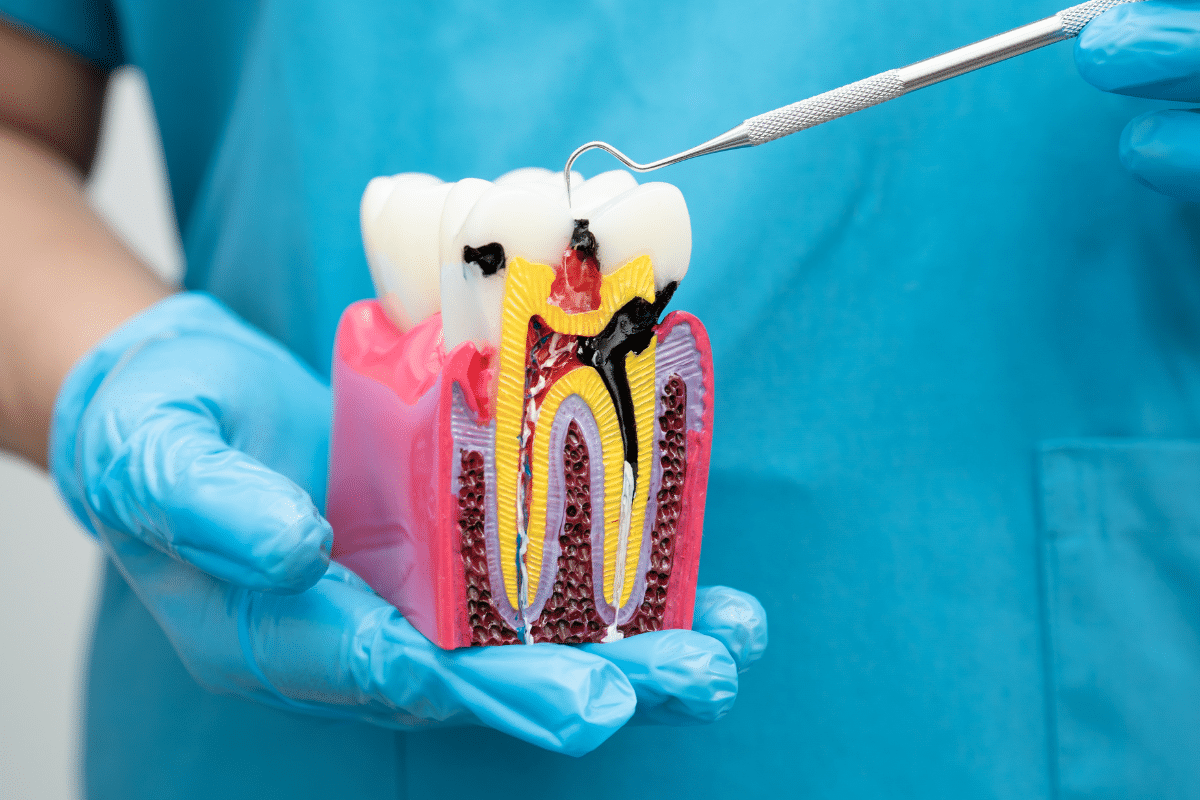
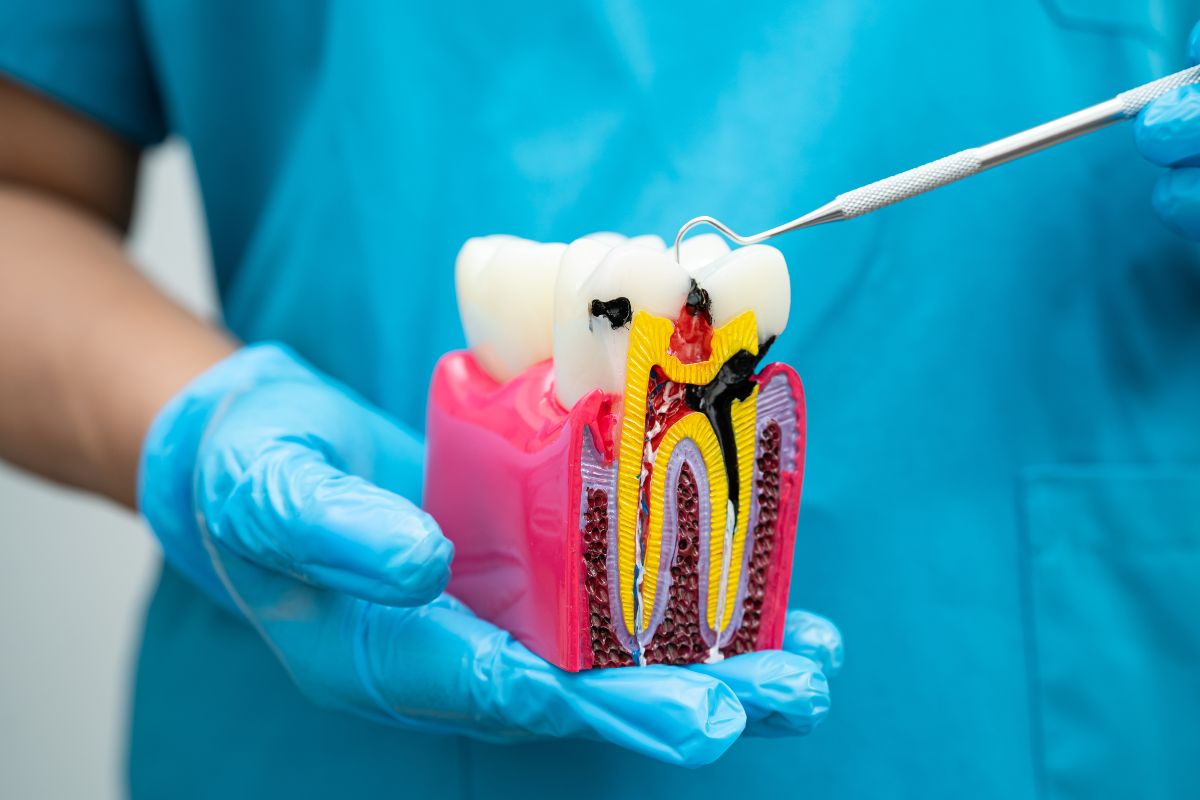
Inside every tooth is a soft tissue called the pulp. This area contains nerves and blood vessels that help the tooth develop. When bacteria enter the pulp through deep decay, cracks, trauma, or untreated cavities, infection can develop.
Common causes include:
- Large untreated cavities
- Cracked or broken teeth
- Repeated dental procedures on the same tooth
- Sports injuries
- Severe tooth wear
- Gum disease reaching the tooth root
Once the inner tissue becomes infected, the tooth usually cannot heal on its own without professional treatment.
1. Persistent Tooth Pain That Does Not Go Away
One of the clearest warning signs is ongoing tooth pain. Unlike temporary sensitivity, root canal-related pain often lingers and gradually worsens over time.
Some patients experience:
- Throbbing discomfort
- Sharp pain while chewing
- Pain that radiates toward the jaw or ear
- Pressure when biting down
- Discomfort that interrupts sleep
The pain may feel constant or come and go throughout the day. In many cases, people notice the discomfort becoming stronger over several weeks.
Persistent pain should never be ignored because it often signals infection deep inside the tooth.
2. Extreme Sensitivity to Hot or Cold Foods
Many people experience occasional tooth sensitivity, but lingering sensitivity is different. If pain continues long after drinking something cold or eating hot foods, the nerve inside the tooth may be inflamed.
Patients may notice:
- Sharp pain from ice water
- Discomfort with coffee or soup
- Sensitivity lasting several seconds or longer
- Increasing reaction to temperature changes
When the tooth pulp becomes damaged, temperature sensitivity often becomes more intense over time rather than improving.
3. Swollen or Tender Gums Near One Tooth
Swelling around a specific tooth is another common symptom of infection. In some cases, the gum tissue may appear red, raised, or tender when touched.
Other possible signs include:
- A small bump near the tooth
- Pus drainage
- Unpleasant taste in the mouth
- Facial swelling
- Tenderness while brushing
These symptoms may indicate a dental abscess, which can become serious if bacteria spread into surrounding tissues.
Prompt treatment is important because untreated infections can continue spreading beneath the gums and into the jawbone.
4. Tooth Discoloration or Darkening
An infected tooth may sometimes become darker than surrounding teeth. Unlike staining caused by food or beverages, this discoloration develops internally.
The tooth may appear:
- Grayish
- Brownish
- Dark yellow
This color change often happens when the nerve inside the tooth begins to die due to lack of healthy blood flow.
While not every darkened tooth requires a root canal, sudden discoloration should always be evaluated professionally.
5. Pain While Eating or Applying Pressure
A tooth that hurts while chewing often indicates inflammation around the root or infection inside the tooth.

Patients commonly describe:
- Sharp pain while biting
- Pressure sensitivity
- Discomfort when chewing tougher foods
- Pain that increases throughout the day
As infection worsens, the surrounding tissues may become more inflamed, making everyday eating uncomfortable.
What Happens If Root Canal Symptoms Are Ignored?
Many people delay treatment because the pain temporarily decreases. However, reduced pain does not necessarily mean the infection has healed. Sometimes it means the nerve inside the tooth has become severely damaged.
Ignoring symptoms may eventually lead to:
- Severe infection
- Facial swelling
- Bone loss around the tooth
- Dental abscesses
- Tooth extraction
- Infection spreading into nearby tissues
Treating the problem early is almost always easier, less invasive, and more affordable than waiting until the condition becomes severe.
What Happens During Root Canal Treatment?
Modern root canal procedures are designed to remove infection while preserving the natural tooth whenever possible.
Treatment typically involves:
- Numbing the area comfortably
- Removing infected tissue from inside the tooth
- Cleaning and disinfecting the canals
- Sealing the tooth to prevent reinfection
- Restoring strength with a filling or crown if needed
Most patients are surprised to learn that root canals today are far more comfortable than the procedure’s reputation suggests.
How to Reduce the Risk of Root Canal Problems
Although not every dental issue can be prevented completely, good oral hygiene greatly lowers the risk of severe infection.

Helpful habits include:
- Brushing twice daily with fluoride toothpaste
- Flossing consistently
- Limiting sugary snacks and drinks
- Treating cavities early
- Wearing mouthguards during sports
- Attending routine dental exams
Preventive care allows dental problems to be identified before they affect the tooth pulp.
Protecting Your Oral Health Early Matters
Ignoring dental discomfort rarely makes the underlying problem disappear. Small symptoms can gradually become major infections when treatment is delayed too long.
For patients experiencing tooth pain, swelling, or sensitivity, seeking early care may help save the tooth and avoid more complicated procedures later.
At Smile Xpressions, patients receive comprehensive dental care focused on diagnosing and treating dental problems before they become more serious.
Schedule your dental appointment today with us and get professional care before tooth pain turns into a larger dental problem.
Frequently Asked Questions
1. How do I know if I need a root canal or just a filling?
A filling is usually enough for small cavities, but severe pain, swelling, lingering sensitivity, or infection may indicate the damage has reached the inner pulp of the tooth and could require a root canal.
2. Can tooth pain go away without a root canal?
Sometimes pain temporarily decreases, but the infection inside the tooth often remains. Ignoring symptoms may allow the condition to worsen over time.
3. How long does a root canal procedure take?
Most root canal treatments can be completed in one or two visits depending on the severity of the infection and the condition of the tooth.
4. Is it better to remove the tooth instead of getting a root canal?
Saving the natural tooth is usually preferred whenever possible because it helps maintain normal chewing, bite alignment, and overall oral health.
5. What should I avoid after a root canal?
Patients are often advised to avoid chewing hard foods on the treated tooth until the final restoration or crown is completed by the dentist.