2520 W Hermosa Dr, Artesia, NM 88210


Missing a tooth can affect your smile and confidence. A dental bridge offers a reliable solution to restore your smile and oral function. But how many visits does it take to get a dental bridge? This blog post dives into the process, addressing common questions and concerns to help you understand what to expect. With a clear, step-by-step guide, you’ll feel prepared and confident about your journey to a restored smile.
What Is a Dental Bridge?
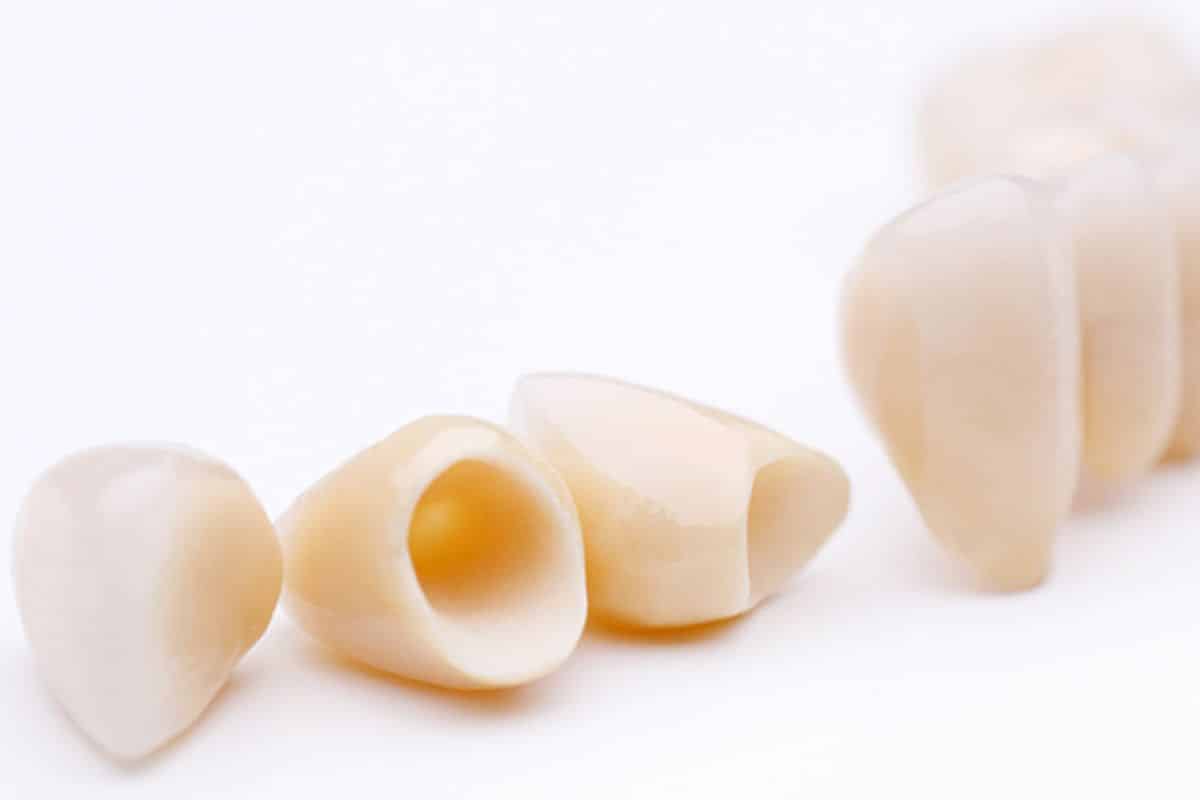
A dental bridge is a custom-made restoration that replaces one or more missing teeth. It consists of artificial teeth, called pontics, anchored by crowns on adjacent healthy teeth, known as abutment teeth. Bridges restore your smile, improve chewing, and prevent teeth from shifting. The process involves multiple steps, each requiring careful attention to ensure a comfortable fit and natural look.
Types of Dental Bridges
Different types of bridges suit various needs:
-
Traditional Bridges: Crowns on both sides of the gap with a pontic in between, ideal for strong adjacent teeth.
-
Cantilever Bridges: Supported by a crown on one side, used when only one adjacent tooth is available.
-
Maryland Bridges: Use metal or porcelain wings bonded to existing teeth, less invasive but not suitable for heavy chewing.
-
Implant-Supported Bridges: Anchored to dental implants for added stability, often used for multiple missing teeth.
Each type may influence the number of visits, depending on the complexity of your case.
The Dental Bridge Process: Step-by-Step
Getting a dental bridge typically involves a series of visits to ensure proper fit and function. Here’s a breakdown of the process, tailored to residents seeking dental bridges in Artesia, NM.
Initial Consultation and Assessment
The journey begins with a consultation. Your dentist evaluates your oral health, examines the gap, and assesses the adjacent teeth. X-rays or digital scans may be taken to check bone structure and tooth alignment. This visit helps determine if a bridge is the best option and which type suits your needs. Expect this appointment to last about 30-60 minutes, depending on the complexity of your case.
Tooth Preparation and Impressions
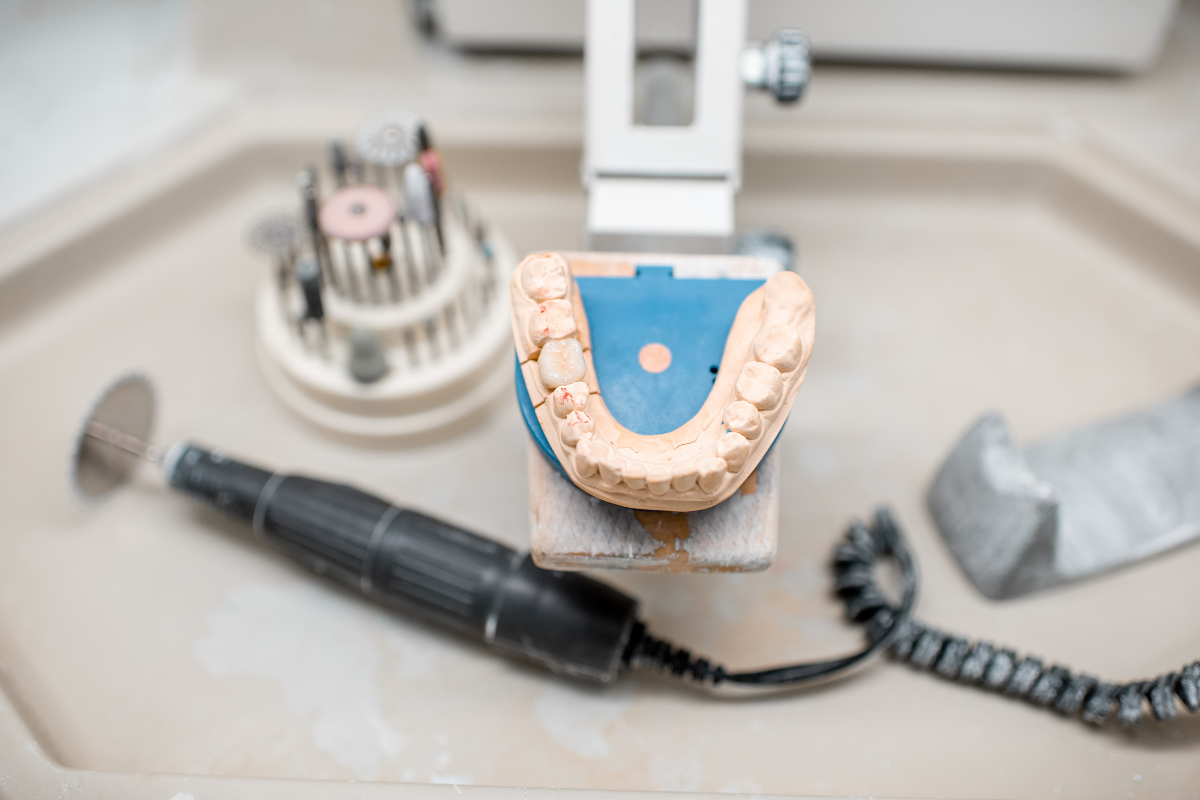
During the second visit, the dentist prepares the abutment teeth by reshaping them to accommodate crowns. This ensures a secure fit for the bridge. After preparation, precise impressions or digital scans of your teeth are taken. These are sent to a dental lab to create your custom bridge. A temporary bridge may be placed to protect your teeth while the permanent one is crafted. This visit typically takes 1-2 hours.
Fitting and Adjustments
Once the lab completes your bridge, you’ll return for a fitting, usually 1-2 weeks after the impression visit. The dentist checks the bridge’s fit, color, and comfort. Minor adjustments may be made to ensure it aligns perfectly with your bite. If the fit is ideal, the bridge is cemented in place. If further tweaks are needed, an additional visit may be scheduled. This appointment often lasts 30-60 minutes.
Follow-Up and Aftercare
A follow-up visit may be recommended to confirm the bridge’s stability and your comfort. This visit ensures no issues like discomfort or bite misalignment arise. Some patients require only three visits—consultation, preparation, and fitting—while others may need a fourth for adjustments or follow-up.
How Many Visits Are Typically Needed?
Most patients require three to four visits for a dental bridge. Here’s a quick overview:
|
Visit |
Purpose |
Duration |
|---|---|---|
|
Consultation |
Oral exam, X-rays, treatment planning |
30-60 minutes |
|
Preparation |
Tooth reshaping, impressions, temporary bridge |
1-2 hours |
|
Fitting |
Bridge placement, adjustments |
30-60 minutes |
|
Follow-Up (if needed) |
Check fit and comfort |
30-45 minutes |
Factors like the bridge type, your oral health, and the need for additional procedures (e.g., fillings or gum treatment) can affect the number of visits. For instance, implant-supported bridges may require more appointments due to the surgical placement of implants.
Why Choose a Skilled Professional for Your Bridge?
Selecting a local dentist in Artesia with expertise in restorative dentistry is crucial. A skilled professional ensures precise measurements, high-quality materials, and a comfortable fit. They also guide you through aftercare, like brushing under the bridge and scheduling regular checkups, to maintain its longevity. This expertise minimizes complications and reduces the need for extra visits.
Trending FAQs on Dental Bridges
Here are answers to some frequently asked questions about dental bridges, based on what people commonly search for:
-
How long does a dental bridge last?
With proper care, a bridge can last 5-15 years or longer. Regular brushing, flossing, and dental visits are key to its durability. -
Is getting a dental bridge painful?
The process is generally painless with local anesthesia during tooth preparation. Some sensitivity may occur afterward but typically resolves quickly. -
Can I eat normally with a dental bridge?
Yes, once adjusted, bridges allow you to eat most foods comfortably. Avoid sticky or very hard foods to protect the bridge. -
How do I care for my dental bridge?
Brush twice روزانه, use floss or interdental brushes to clean under the bridge, and visit your dentist regularly for checkups. -
What if my bridge feels loose?
Contact your dentist immediately. A loose bridge may need adjustments or replacement to prevent damage to surrounding teeth.
Factors That May Affect the Number of Visits
Several factors can influence the number of visits required:
-
Oral Health Conditions: Issues like gum disease or cavities may need treatment before starting the bridge process, adding visits.
-
Bridge Type: Traditional bridges often require fewer visits than implant-assisted ones, which involve surgical steps.
-
Lab Turnaround Time: The time it takes to craft your bridge depends on the dental lab’s schedule, typically 1-2 weeks.
-
Adjustments Needed: If the bridge doesn’t fit perfectly during the fitting visit, an extra appointment may be necessary.
Tips for a Smooth Dental Bridge Experience
To ensure a seamless process and minimize visits:
-
Maintain good oral hygiene before and after the procedure to avoid complications.
-
Follow your dentist’s instructions for temporary bridge care.
-
Communicate any discomfort or concerns promptly to address issues early.
-
Schedule regular checkups to keep your bridge in top shape.
Your Path to a Restored Smile
Restoring your smile with a dental bridge is a straightforward process that can transform your confidence and oral health. By understanding the steps—consultation, preparation, fitting, and potential follow-up—you can approach the journey with ease. For personalized care, reach out to your local dentist in Artesia at Smile Xpressions. Schedule your consultation today by calling (575) 746-1900 and take the first step toward a radiant smile.