2520 W Hermosa Dr, Artesia, NM 88210


Are you experiencing persistent tooth pain or sensitivity? Do you have a nagging feeling that something might be wrong with your teeth? If so, it’s time to dive into the world of root canals. While the phrase itself may send shivers down your spine, understanding root canal symptoms and knowing when to seek treatment is crucial for maintaining good oral health. So grab a seat, relax, and let’s explore everything you need to know about root canals in Artesia!
What is a Root Canal and Why is it Important?
When it comes to dental procedures, the mere mention of a root canal can make even the bravest among us cringe. But what exactly is a root canal? In simple terms, it’s a treatment that aims to save an infected or severely damaged tooth from extraction.
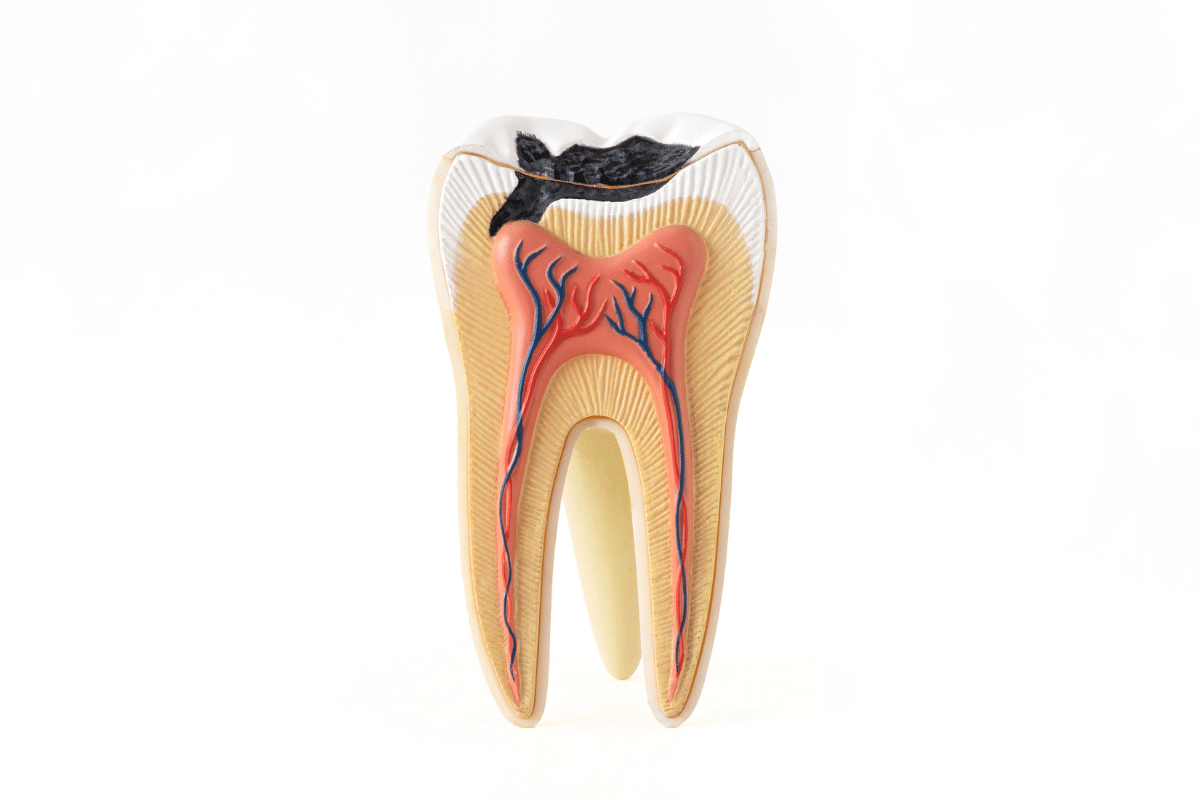
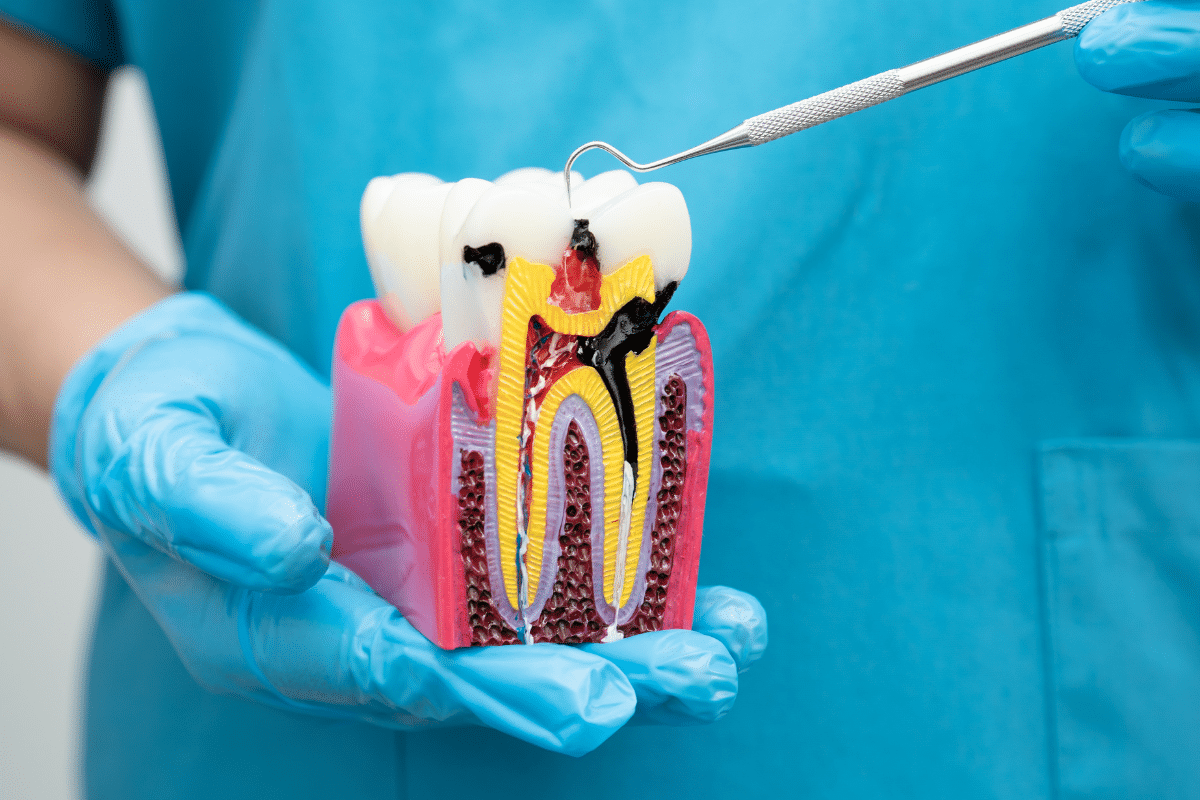
Deep inside each tooth lies a soft tissue called pulp, which contains blood vessels and nerves. When this pulp becomes inflamed or infected due to decay, trauma, or cracks in the tooth, it can lead to excruciating pain and potentially serious complications.
That’s where root canals come into play. During the procedure, your dentist will remove the infected pulp and carefully clean out the affected area. Once cleaned, they will seal off your tooth to prevent any further infection.
Now you may be wondering why all this fuss over saving one tooth? Well, preserving natural teeth is important for several reasons. Losing a permanent tooth can affect your ability to chew properly and speak clearly. It can also cause adjacent teeth to shift positions over time.
Additionally, extracting a tooth means having an empty space in your mouth that could lead to bone loss over time. This can alter your facial structure and impact overall oral health.
So there you have it – while getting a root canal might not sound like fun at first glance (or even second!), its importance lies in preserving both function and aesthetics while preventing future dental problems down the road
Common Symptoms of Root Canal Problems
If you’re experiencing any of the following symptoms, it may be a sign that you have root canal problems. One common symptom is persistent tooth pain. This can range from a dull ache to sharp and intense pain. The pain may worsen when biting down or applying pressure to the affected tooth.
Another potential symptom is increased sensitivity to hot or cold temperatures. If your teeth suddenly become sensitive to temperature changes, especially if it lingers even after the stimulus is removed, it could indicate an issue with your root canal.
Swelling and tenderness in the gums around the affected tooth are also signs that something might be wrong. You may notice redness or swelling in that area, as well as heightened sensitivity or discomfort when touching or brushing near the gumline.
Sometimes, a recurring pimple-like bump on your gums can signal an infection in the root canal system. These bumps are called abscesses and they form when pus collects at the site of infection.
Other possible symptoms include bad breath or an unpleasant taste in your mouth that won’t go away despite good oral hygiene practices. This could indicate an infection deep within your tooth’s pulp and roots.
Remember, these symptoms don’t always mean you need a root canal treatment right away. However, they should not be ignored either! To understand what’s causing these issues and determine whether a root canal is necessary for you, it’s important to seek professional dental care as soon as possible.
When to Seek Treatment for Root Canal Issues in Artesia?
When it comes to root canal issues, knowing when to seek treatment is crucial. Ignoring the symptoms and delaying a visit to your dentist can lead to further complications and potentially more invasive procedures down the line.
One of the key indicators that you may need root canal treatment is persistent pain in your tooth or gum. This pain can range from mild discomfort to sharp, throbbing sensations. It’s important not to brush off these signs and assume they will go away on their own.
Another symptom that should raise concern is heightened sensitivity to hot or cold foods and drinks. If you find yourself wincing with discomfort whenever you consume something at extreme temperatures, it could be a sign of nerve damage within your tooth.
Swelling around the affected area is another red flag for root canal problems. This swelling may manifest as a small bump near the gum line or as noticeable inflammation in the surrounding tissues. Don’t ignore this warning sign, as it could indicate an infection that requires immediate attention.
Additionally, if you notice any changes in the color of your tooth – such as darkening or discoloration – it’s essential to consult with a dental professional promptly. Discoloration can be indicative of internal damage or decay within the tooth, which may necessitate root canal therapy.
In Artesia specifically, it’s vital not to delay seeking treatment for root canal issues due to its potential impact on overall oral health. By scheduling an appointment with a trusted dentist in Artesia who specializes in endodontics (root canal treatment), you can ensure timely intervention and prevent any further complications from arising.
Remember, never underestimate the importance of recognizing these symptoms early on and taking action promptly by seeking professional help for your root canal concerns!
The Bottom Line
Understanding the symptoms of root canal problems is crucial for knowing when to seek treatment in Artesia. A root canal procedure may be necessary if you experience persistent tooth pain, sensitivity to hot and cold temperatures, swelling or tenderness in the gums, or discoloration of the affected tooth. Ignoring these symptoms can lead to further complications and potential tooth loss.
If you notice any of these signs, it is essential to schedule an appointment with a trusted dentist in Artesia who specializes in root canal treatments. They will be able to evaluate your condition, provide a proper diagnosis, and recommend the most suitable course of action.
Contact us today to schedule an appointment and take the first step towards restoring your smile’s health and functionality!