2520 W Hermosa Dr, Artesia, NM 88210

Are you considering getting dental implants or already have them and want to know how to keep your smile healthy? Well, you’ve come to the right place. In this article, we will explore what dental implants are, the benefits they offer, and provide you with some useful tips for maintaining proper oral hygiene with these incredible tooth replacements. So let’s dive in and discover all there is to know about keeping your pearly whites shining bright with dental implants!
What are dental implants?
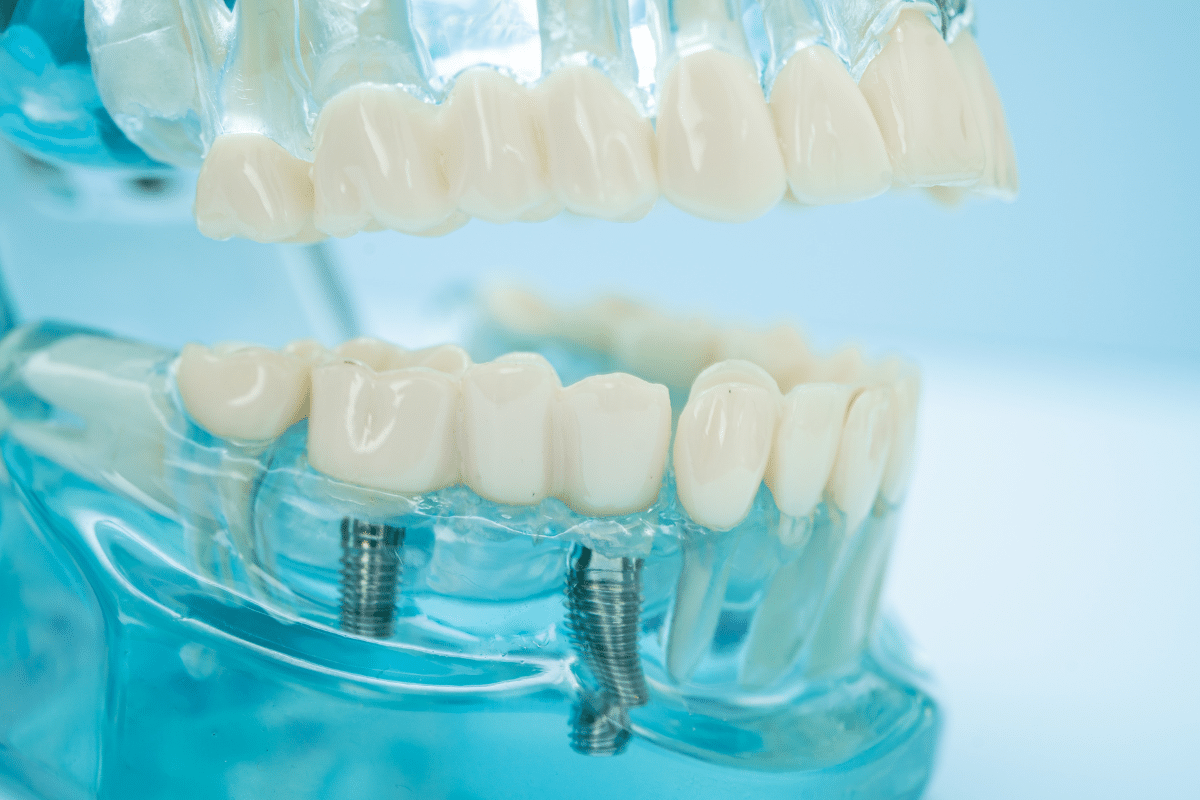
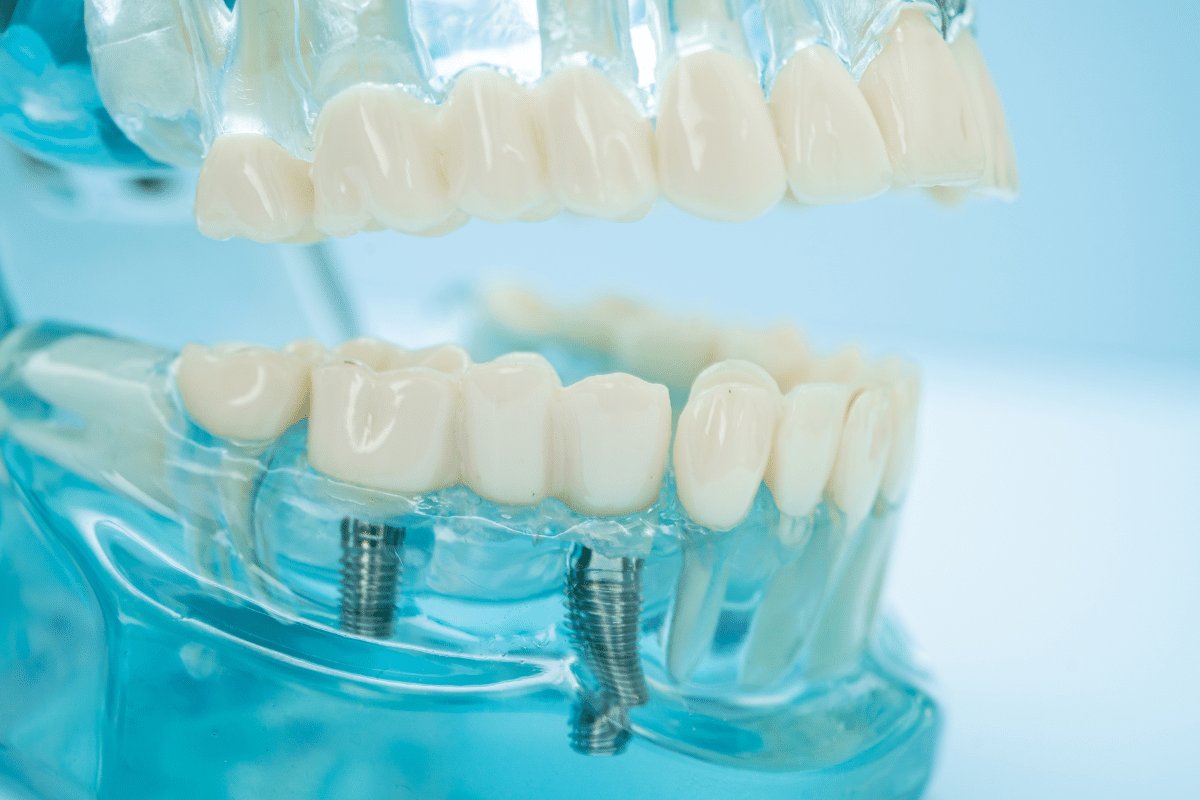
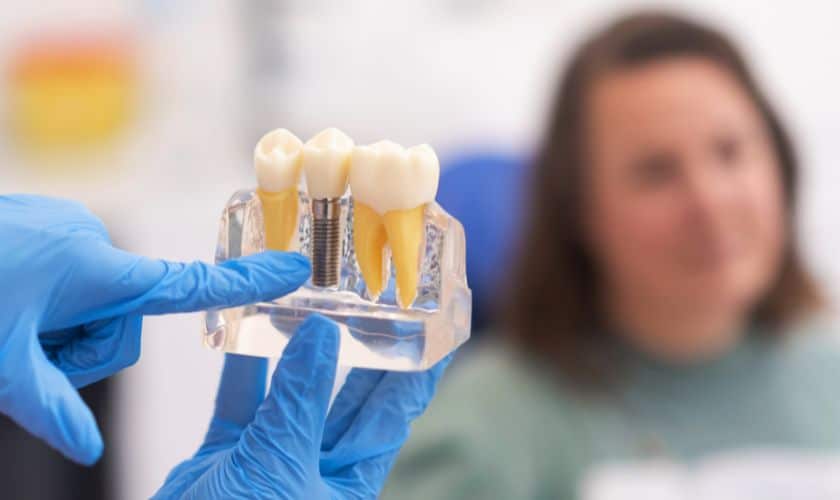
Dental implants have become an increasingly popular solution for replacing missing teeth. But what exactly are dental implants? Put simply, they are artificial tooth roots that are surgically placed into the jawbone to support a replacement tooth or bridge.
Made from biocompatible materials such as titanium, dental implants function just like natural teeth. They provide a strong and stable foundation for replacement teeth, allowing you to eat, speak, and smile with confidence.
One of the main benefits of dental implants is their durability. Unlike dentures or bridges that may need to be replaced every few years, properly cared for dental implants can last a lifetime. This makes them a long-term investment in your oral health.
In addition to their longevity, dental implants also offer improved comfort and convenience compared to other tooth replacement options. Since they are securely anchored in your jawbone, there’s no risk of them slipping or clicking while you eat or talk.
Maintaining oral hygiene with dental implants is crucial for ensuring their long-term success. Just like natural teeth, it’s important to brush twice daily and floss regularly around the implant area. Regular visits to your dentist for professional cleanings and check-ups are also essential.
If you’re considering getting dental implants or already have them but aren’t sure if you’re maintaining proper oral hygiene, don’t hesitate to consult with your dentist. They will be able to provide guidance tailored specifically to your needs and help ensure the health of your smile.
Understanding what dental implants are and how best to care for them is key in maintaining optimal oral hygiene and enjoying all the benefits they have to offer.
The benefits of dental implants
The benefits of dental implants are numerous and can greatly enhance your oral health and overall well-being. One of the most significant advantages is that dental implants provide a long-lasting solution for missing teeth. Unlike removable dentures or bridges, which may need to be replaced or adjusted over time, implants are designed to last for many years with proper care.
Dental implants also offer improved functionality when compared to other tooth replacement options. Because they are anchored securely in the jawbone, they function just like natural teeth, allowing you to eat and speak confidently without worrying about slippage or discomfort.
In addition to their functional benefits, dental implants can have a positive impact on your self-esteem and confidence. Having a complete smile can improve your appearance and make you feel more comfortable in social situations. With dental implants, you can regain your ability to smile freely without feeling self-conscious about gaps or missing teeth.
Another advantage of dental implants is that they help preserve bone structure in the jaw. When a tooth is lost, the surrounding bone may begin to deteriorate over time. Implants stimulate the bone through osseointegration – the process by which the implant fuses with the jawbone – helping maintain its strength and density.
Furthermore, dental implants require minimal maintenance compared to other tooth replacement options such as dentures or bridges. They do not require special cleaning solutions or adhesives; instead, you can simply brush and floss them along with your natural teeth.
Dental implants offer numerous benefits that contribute not only to better oral health but also improved quality of life. If you’re considering replacing missing teeth, it’s worth exploring whether dental implants could be an ideal solution for you
Tips for maintaining oral hygiene with dental implants
Maintaining oral hygiene is crucial for overall dental health, especially when you have dental implants. These sturdy and natural-looking replacements for missing teeth require proper care to ensure their longevity and your continued oral health. Here are some essential tips to help you maintain oral hygiene with dental implants:
- Brush twice a day: Just like with natural teeth, brushing your dental implants twice a day is essential. Use a soft-bristle toothbrush and gentle circular motions to clean all surfaces of the implant crown.
- Floss daily: Regular flossing helps remove plaque and food particles from between your teeth and around the implant area. Use a floss threader or interdental brushes designed specifically for cleaning around implants.
- Rinse with an antibacterial mouthwash: An antibacterial mouthwash can help reduce bacteria growth in your mouth, promoting healthy gums around the implant area.
- Avoid hard foods: Chewing on hard foods or objects can put excessive pressure on your dental implants, leading to damage or loosening of the prosthetic tooth roots.
- Visit your dentist regularly: Regular check-ups allow your dentist to monitor the condition of your dental implants, address any potential issues promptly, and provide professional cleaning that reaches areas you may miss at home.
By following these simple yet important tips, you can maintain excellent oral hygiene while enjoying the benefits of strong and durable dental implants!
When to See a Dentist for Dental Implants?
- Assessing Your Oral Health
If you have missing teeth or are experiencing significant dental issues, it may be time to consider dental implants. A dentist will evaluate your oral health and determine if you are a suitable candidate for the procedure.
- Consultation and Treatment Planning
Once you decide to pursue dental implants, scheduling a consultation with a dentist is crucial. During this visit, the dentist will discuss your goals, examine your mouth, and create a personalized treatment plan tailored to your needs.
- Timing Considerations
In some cases, immediate implant placement might be possible after tooth extraction. However, in other situations where there is bone loss or infection present, additional procedures may be required before implant placement can occur.
- Ongoing Maintenance and Follow-up Appointments
After receiving dental implants, regular check-ups with your dentist are essential for maintaining oral hygiene and ensuring that the implants are functioning properly. These appointments allow the dentist to monitor your progress and address any concerns or complications that may arise.
- Signs of Potential Issues
While dental implants have high success rates when cared for properly, it’s important to know when an issue requires immediate attention from a dentist. If you experience persistent pain around the implant site, swelling or inflammation of the gums surrounding the implant area, or notice any mobility in the implant itself – contact your dentist promptly.
Remember that each individual case is unique; therefore it’s always best to consult with a qualified professional who can provide personalized guidance based on your specific circumstances.
The Bottom Line
Maintaining oral hygiene with dental implants is crucial for a healthy and confident smile. By following the tips outlined in this article, you can ensure that your dental implants stay clean and free from any complications.
Remember to brush your teeth at least twice a day using a soft-bristle toothbrush and fluoride toothpaste. Flossing daily will help remove plaque and debris from hard-to-reach areas around your dental implants. Additionally, using an antibacterial mouthwash can further reduce the risk of infection.
Regular visits to your dentist are essential for monitoring the health of your dental implants. Your dentist will be able to detect any potential issues early on and provide appropriate treatment if necessary.
By practicing good oral hygiene habits, adopting a balanced diet, and avoiding bad habits such as smoking or excessive alcohol consumption, you can maximize the longevity of your dental implants.
Investing time and effort into maintaining oral hygiene with dental implants will not only preserve their functionality but also contribute to overall oral health. So go ahead – embrace those pearly whites confidently!