2520 W Hermosa Dr, Artesia, NM 88210


Today, we’re diving deep into the fascinating realm of root canal therapy – a topic that might sound intimidating at first, but fear not! We’re here to break it down for you in a way that’s easy to understand and will alleviate any concerns or misconceptions. So, grab a cup of tea (or whatever beverage tickles your fancy) and get ready to learn about how root canal therapy works and why it’s an essential procedure for maintaining oral health. Let’s jump right in!
What is Root Canal Therapy?
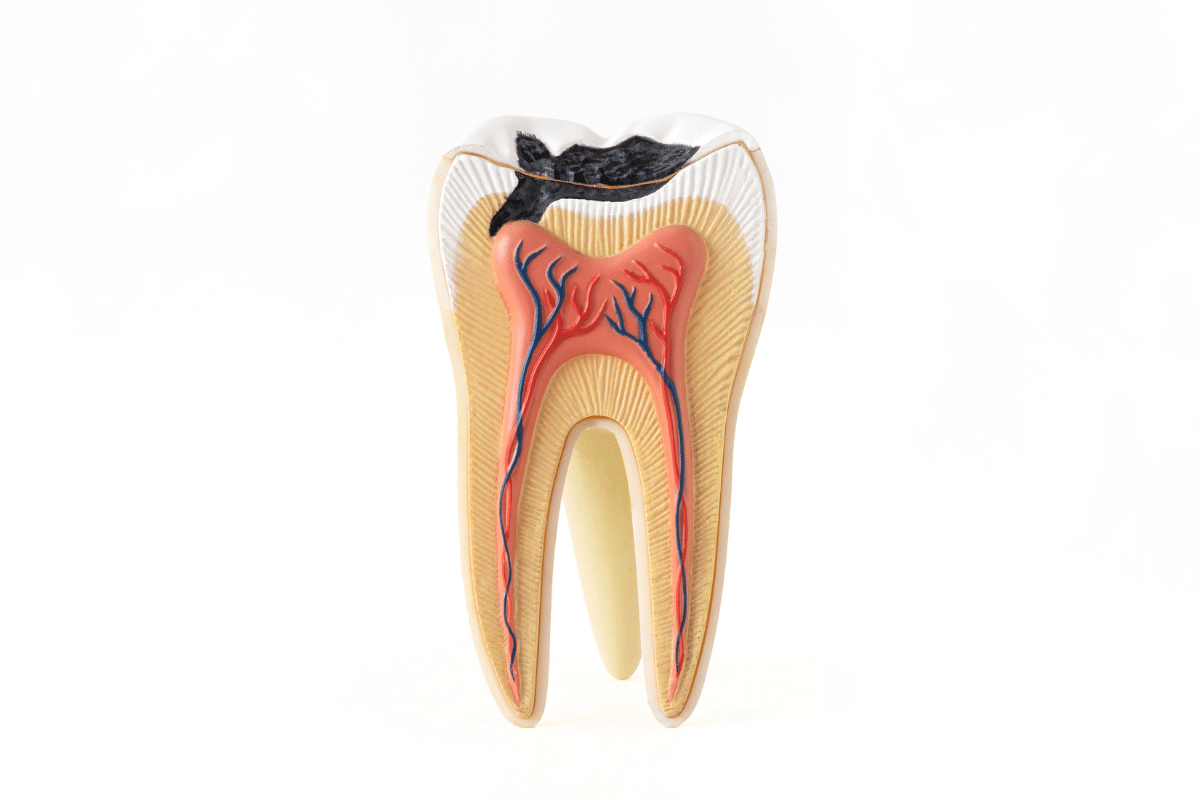
Root canal therapy, also known as endodontic treatment, is a dental procedure that focuses on saving and preserving an infected or damaged tooth. It is typically recommended when the pulp – the soft tissue inside the tooth – becomes infected or inflamed due to deep decay, repeated dental procedures, or trauma.
The purpose of root canal therapy is to alleviate pain and prevent further complications by removing the infected pulp and cleaning out the root canals. This process not only relieves discomfort but also saves the natural tooth from extraction, allowing it to function properly for years to come.
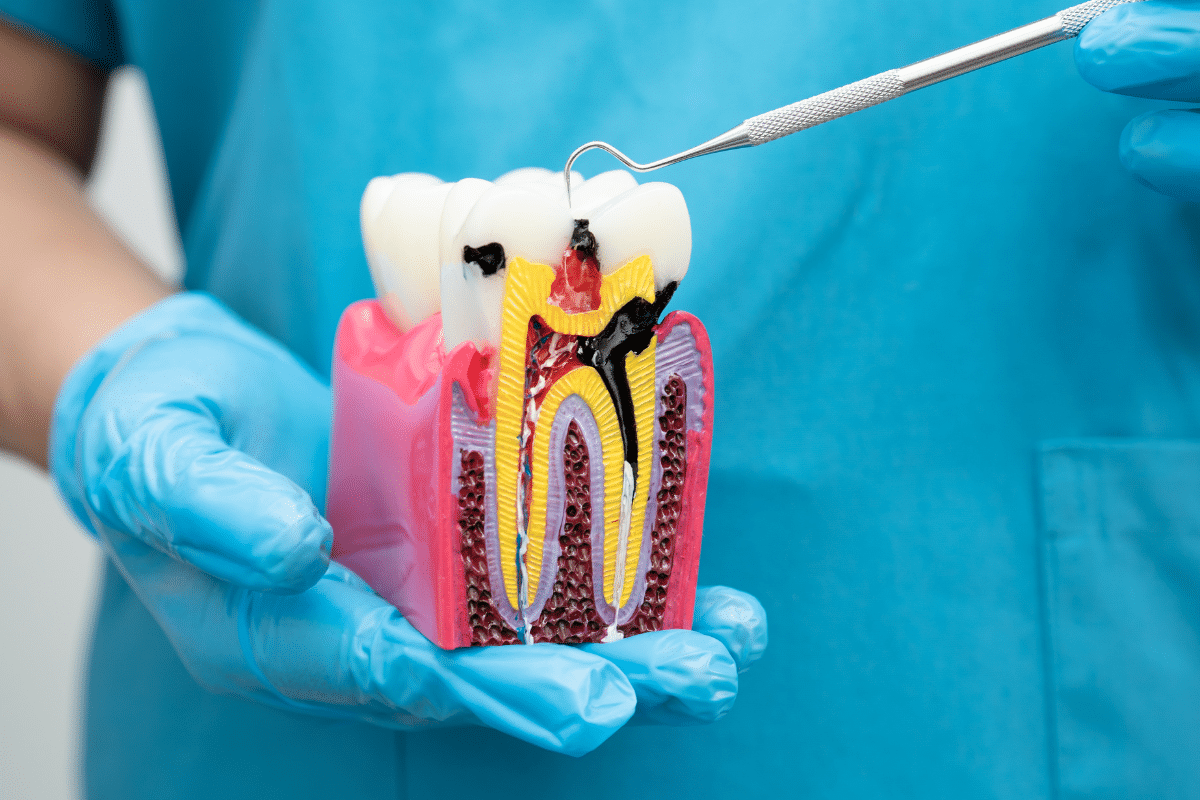
During a root canal procedure, your dentist will begin by numbing the area around the affected tooth with local anesthesia. They will then create a small opening in your tooth to access its inner chamber where they’ll carefully remove any diseased tissue. Afterward, they clean and disinfect the canals before filling them with a biocompatible material called gutta-percha.
Once filled, your dentist may recommend placing a dental crown over the treated tooth for added protection and strength. This ensures that your restored tooth blends seamlessly with your smile while providing long-term durability.
Through root canal therapy, patients can experience relief from pain caused by severe infection or inflammation while still retaining their natural teeth – no extractions necessary! So if you’re experiencing persistent dental discomfort or have been diagnosed with an infected pulp, don’t hesitate to explore this effective treatment option!
The Purpose of Root Canal Therapy
When it comes to dental procedures, root canal therapy is often misunderstood and dreaded. However, understanding the purpose behind this treatment can help alleviate any fears or concerns you may have.
The main objective of root canal therapy is to save a tooth that has been severely damaged or infected. Unlike what many believe, extraction should be considered as a last resort option. By undergoing root canal therapy, your dentist aims to remove the infection from within the tooth and prevent further damage.
The inside of a tooth contains soft tissue known as pulp, which consists of nerves and blood vessels. When this pulp becomes infected due to deep decay or trauma, it can cause excruciating pain and lead to serious oral health issues. That’s where root canal therapy comes into play – it allows your dentist to remove the infected pulp while preserving the structure of your natural tooth.
During the procedure, an access hole is created in the affected tooth so that your dentist can reach the pulp chamber. The infected pulp is then carefully removed using specialized tools. Once all traces of infection are eliminated, the space left behind is thoroughly cleaned and disinfected before being filled with a biocompatible material called gutta-percha.
To strengthen and protect your treated tooth from future damage, a crown or filling may be placed over it. This not only restores its functionality but also ensures its longevity in your mouth.
Root canal therapy offers multiple benefits beyond saving an infected tooth from extraction. It alleviates pain caused by infection while preventing its spread throughout your mouth and body via bacteria entering through gaps between teeth roots.
By opting for root canal therapy instead of extraction followed by replacement options like bridges or implants, you maintain proper chewing function and preserve surrounding teeth from shifting out of place – which could result in misalignment issues down the road.
Understanding why root canal therapy exists helps dispel misconceptions around this commonly feared dental procedure. Its purpose is to save a severely damaged or infected tooth, preserving your natural smile and preventing
How Root Canal Therapy is Performed?
Root canal therapy, also known as endodontic treatment, is a common dental procedure used to save a tooth that has become infected or severely damaged. It involves removing the infected pulp from inside the tooth and sealing it to prevent further infection.
The first step in performing a root canal is numbing the area with local anesthesia to ensure your comfort throughout the procedure. Once you are numb, your dentist will create a small access hole in the affected tooth to reach the pulp chamber.
Using specialized tools, they will carefully remove all of the diseased or injured pulp from within the tooth. The canals are then thoroughly cleaned and shaped to prepare for filling material.
Once cleaned, your dentist will fill and seal each canal with a biocompatible material called gutta-percha. This material helps prevent reinfection by creating a barrier against bacteria.
After sealing off each canal, your dentist may place a temporary filling on top of it until you receive a permanent restoration such as a crown or filling to strengthen and protect the treated tooth.
Throughout this process, your dentist may take x-rays to ensure proper cleaning and shaping of the canals. These images help them evaluate their work and determine if any additional steps are necessary.
In some cases, particularly complex or severe infections may require multiple visits for complete treatment. Your dentist will advise you on what steps are required based on your specific situation.
Root canal therapy is an effective way to alleviate pain caused by dental infections while preserving natural teeth. By addressing issues at their source rather than resorting to extraction, this procedure allows patients to maintain optimal oral health and function for years to come
Benefits of Root Canal Therapy
Root canal therapy, also known as endodontic treatment, is a dental procedure that is often met with apprehension and fear. However, it is important to understand the many benefits that this treatment can provide.
One of the major advantages of root canal therapy is pain relief. When the pulp inside a tooth becomes infected or inflamed due to decay or trauma, it can cause excruciating pain. By removing the infected pulp and cleaning out the root canals, this procedure effectively alleviates discomfort and restores oral health.
Another benefit of root canal therapy is preservation of natural teeth. In the past, when a tooth was severely damaged or infected, extraction was often deemed necessary. With advancements in dentistry, root canal therapy allows for saving teeth that would otherwise be lost.
By preserving natural teeth through root canal treatment, patients are able to maintain proper chewing function and prevent further oral health issues such as shifting of neighboring teeth or jawbone deterioration.
Furthermore, root canal therapy helps improve overall oral health by eliminating infection within the affected tooth. This prevents bacteria from spreading to other parts of the mouth and causing additional problems like gum disease or abscesses.
In addition to restoring functionality and preventing future complications, undergoing root canal therapy also contributes to an improved appearance. Once the procedure is complete and any necessary restorations are placed on top of the treated tooth (such as a crown), patients regain their confident smile.
While some may dread hearing they need a root canal treatment – understanding its numerous benefits showcases how it can truly be a life-saving solution for maintaining optimal oral health long-term without resorting to extractions or more invasive procedures
The Bottom Line
Root canal therapy is a highly effective dental procedure that can save your natural tooth and alleviate pain caused by infection or damage to the pulp. By removing the infected tissue, cleaning and disinfecting the root canal, and sealing it with a filling material, this treatment aims to restore your oral health.
The purpose of root canal therapy is not only to relieve discomfort but also to prevent further complications such as abscesses or spreading infections. It offers a long-lasting solution that allows you to maintain your natural smile and bite functionality.
During the procedure, your dentist will carefully numb the area around the affected tooth before creating an access point. They will then remove all infected pulp from within the tooth’s roots using specialized instruments. After thorough cleaning and shaping of the canals, they will fill them with a biocompatible material called gutta-percha. A dental crown may be placed on top for added protection and aesthetics.