2520 W Hermosa Dr, Artesia, NM 88210

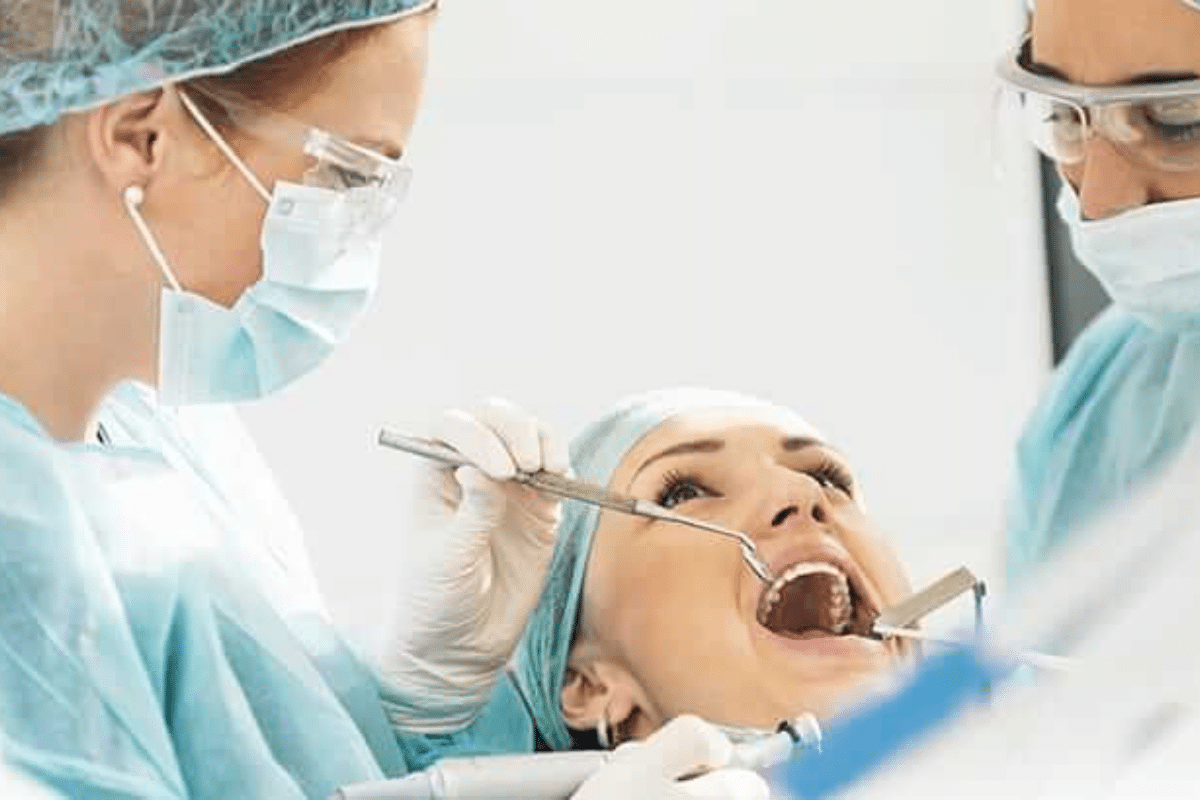
A root canal may frighten people and make them nervous. Nonetheless, the procedure saves a broken or infected tooth. The purpose of having a root canal is to prevent the extraction of a tooth that would otherwise need to be removed. The process of a root canal can seem intimidating; however, the pain usually is only temporary. Long-term benefits can truly be worth it with proper care, allowing quick recovery to one’s usual activities. Here, we will discuss six essential tips to recover faster after receiving root canal therapy in Artesia.
What is Root Canal Therapy?
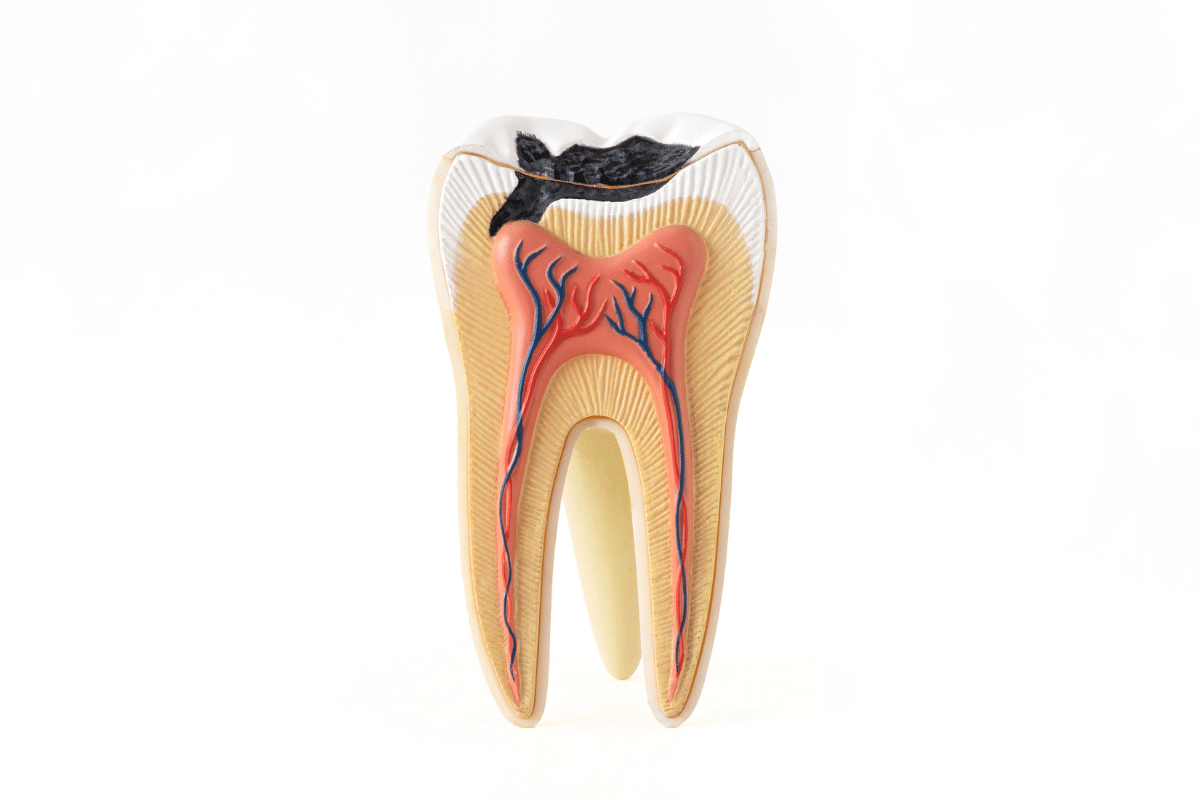
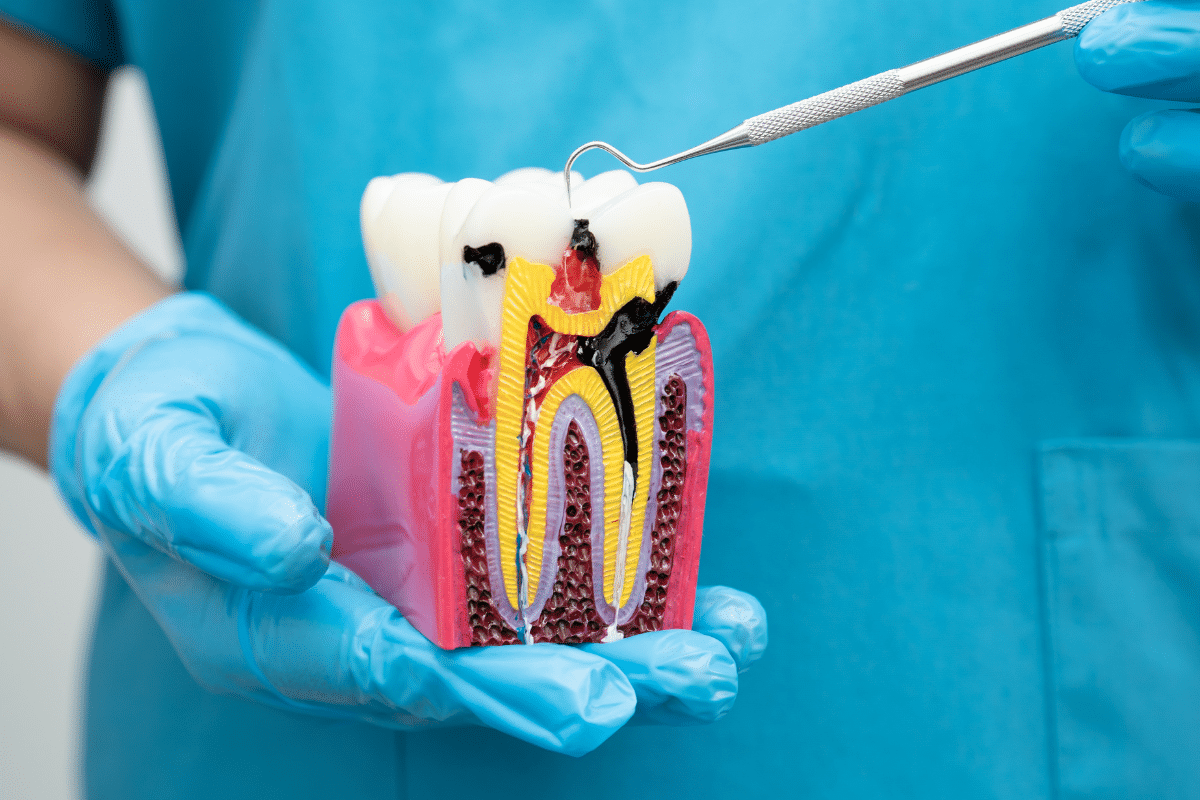
Before getting to the recovery tips, it is first important to understand what root canal therapy is. It is also known as endodontic treatment, involves the removal of the infected or decayed pulp that lies inside the tooth. Once the pulp has been extracted, the tooth is then thoroughly cleaned, disinfected, and sealed off to prevent future infections.
Though the treatment is relatively simple, proper aftercare is necessary to ensure a smooth and quick recovery. Symptoms after the treatment may include mild discomfort, swelling, or sensitivity, but these usually subside as long as proper care is taken.
Tip 1: Care About What You Eat
Your diet plays a significant role in your recovery. After the root canal, it’s essential not to apply too much pressure on the treated tooth. During the first 24-48 hours, consume soft, cool foods such as yogurt, applesauce, or mashed potatoes. Avoid eating immediately after treatment, especially while your mouth is still numb, to prevent accidental injury.
Avoid hard, crunchy, or sticky foods during the recovery period, as these could harm the treated area or damage the temporary filling. Instead, opt for nutrient-dense, easy-to-chew meals to minimize strain on your healing tooth.
Tip 2: Take Pain Medications as Directed
Mild soreness and swelling may occur following a root canal. Over-the-counter pain relievers like ibuprofen or acetaminophen are typically recommended once the anesthesia wears off, unless your dentist prescribes a stronger medication.
It is important to take your pain medication as directed. Don’t wait for the pain to become unbearable—staying ahead of the discomfort will make your recovery much easier.
Tip 3: Avoid Strenuous Activities
Avoid engaging in any activities that could put additional stress on your body following your root canal. Strenuous physical activities such as exercise, heavy lifting, or bending over can increase blood flow to the treated area, leading to more swelling and discomfort.
Instead, focus on resting your body. Take it easy for a few days, and only resume your usual activities once you feel ready. Adequate rest is crucial for a speedy and smooth recovery.
Tip 4: Use a Cold Compress to Reduce Swelling
Swelling is a common side effect after a root canal treatment, but it can be effectively managed with a cold compress. Apply an ice pack to the outside of your cheek near the treated area for 15-20 minutes to reduce swelling and numb the area, providing relief from discomfort.
Be sure to place a cloth between the ice pack and your skin to avoid irritation. Using a cold compress during the first 48 hours after your procedure will help keep swelling under control.
Image Caption: Patient applying a cold compress on their face after a root canal treatment to minimize swelling and pain.
Tip 5: Elevate Your Head
Keeping your head elevated after a root canal can reduce swelling and promote faster healing. When lying down, use an extra pillow to keep your head higher than your heart. This will minimize blood flow to the treated area, reducing swelling and discomfort.
Elevating your head while sleeping for the first few nights can also help prevent throbbing pain, which often occurs when lying flat.
Tip 6: Practice Good Oral Hygiene
Oral hygiene is always important, but it becomes even more crucial after a root canal. While you should avoid brushing directly on the treated tooth for the first day or two, continue to brush and floss your other teeth as usual. Use a soft-bristled toothbrush and gentle motions to avoid irritating the treated area.
Once the initial soreness subsides, you can resume brushing the treated tooth carefully. Proper oral hygiene will help prevent infection and ensure your tooth heals properly.
Conclusion
While root canal therapy procedure in Artesia may seem daunting, following these six essential tips will guarantee a smooth and speedy recovery. Be mindful of your diet, take prescribed pain medications, avoid strenuous activities, use a cold compress, elevate your head, and practice good oral hygiene. By following these steps, you can significantly shorten your healing time.
If you need professional guidance or have any concerns about your recovery, the expert team at Long Falls Dentistry in Artesia is here to support you. Call today to schedule your treatment and ensure a healthy, pain-free smile.